
Discover Armentières | A Visitor's Introduction to Armentières
Armentières is a charming town in the Nord department of northern France, just a short distance from the Belgian border. Famous for its Flemish heritage, canal-side ambience, and significant role in both World Wars, Armentières offers an inviting mix of historical depth, riverside relaxation, and local character. As a less-touristed gem near Lille and the French–Belgian border, it’s ideal for visitors who enjoy history, gentle waterside strolls, and authentic regional life.
Recommended Armentières Accommodation: Hotels Bed & Breakfasts
Why is Armentières Worth a Visit?
Armentières is worth visiting for its blend of cross-border culture, poignant wartime history, and welcoming riverside charm. The town's historic canal system, lined with cafés and old mills, recalls its industrial past while offering a peaceful escape. Moreover, as the site of significant First World War activity, it bears striking reminders in its cemeteries, memorials, and museums—both solemn and insightful.
What makes Armentières truly special is its everyday atmosphere: a relaxed riverside vibe, bustling weekly marchés, and the chance to experience genuine French–Flemish traditions without tourist crowds. If you’re interested in heritage, wanders by water, or regional food and markets, Armentières gives a memorable, off-the-beaten-track experience.
Armentières Highlights: Things to See and Do in Armentières
Canal District and Quai de la Lys
This historic canal district is the heart of Armentières. Tree-shaded banks, stone bridges, and moored boats line the Lys river. It’s perfect for a leisurely walk, a riverside coffee, or a summer picnic. The restored water mills and former towpaths add charm and photo-worthy backdrops.
Musée de la Vie Rurale et Flamande
Housed in a former farmhouse, this regional museum showcases the agricultural and domestic life of rural Flanders. Exhibits include traditional tools, local costumes, vintage furniture, and photographs that offer an intimate portrait of past generations.
German Military Cemetery
A quiet, well-maintained cemetery close to town holds over 3,000 German soldiers from the First World War. It’s a respectful space for reflection, reminding visitors of the conflict’s human cost on both sides.
Commonwealth War Graves Commission Cemetery
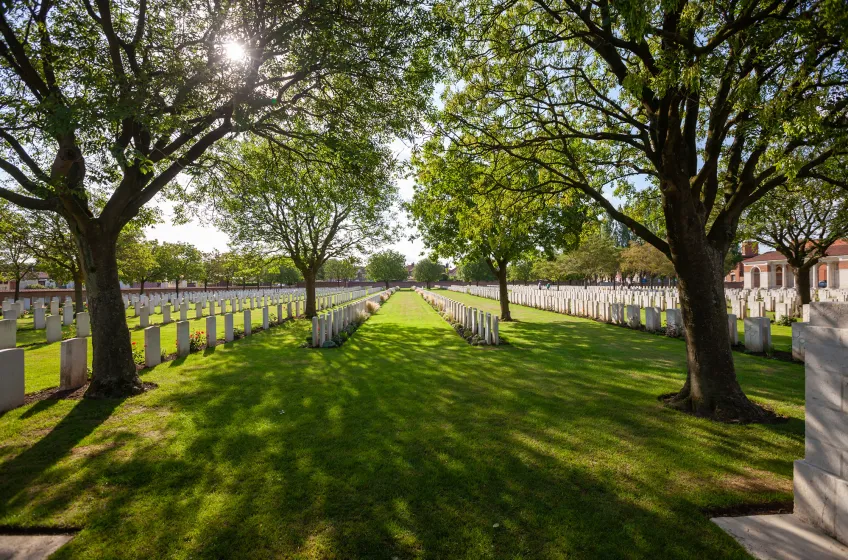
On the outskirts of Armentières lies a solemn cemetery containing graves of British, Commonwealth, and other Allied soldiers from 1914–18. Well cared for, it is a poignant site for remembering the region’s wartime history.
Saint-Arnould Church
Dating back to the 16th century, this Gothic-style church features beautiful stained-glass windows, historic bells, and a peaceful interior. It reflects the town’s resilience through centuries of conflict and reconstruction.
Local Market (Marché)
Every Wednesday and Saturday morning, the town square hosts a lively market selling fresh produce, cheese, charcuterie, regional cakes, flowers, and local crafts. It’s an excellent way to immerse yourself in daily life and perhaps enjoy a local snack or meal on the spot.
Taste Traditional Flemish Cuisine
Armentières has several cosy brasseries and cafés where you can sample hearty Flemish-inspired dishes such as carbonnade flamande (beer-braised beef), potjevleesch (terrine of meats), and Merveilleux (a local meringue cake). Wash it down with a regional beer or a specialty coffee.
Le Bourg Bridge and Towpath Walk
This scenic stone bridge and neighbouring towpaths offer a peaceful route for walking or cycling alongside the Lis river. It’s particularly lovely during spring and summer, when floodplain wildflowers are in bloom.
Maison Dehaene – Artisan Chocolate Makers
Just outside the town centre is this long-running family-run chocolatier. You can sample traditional pralines, ganaches, and artisanal flavours, or peek into the workshop to watch chocolates being made.
Practical Advice for Visitors
Getting There
Armentières is approximately 20 km northwest of Lille, and about 6 km from the Belgian border town of Comines. It’s easily reached by TER train from Lille in under half an hour, or by car via the N355 and A25. From Calais, it takes around an hour and a half via the A26 and A25.
Parking
Parking in the town centre is free in most streets for a few hours, with a larger municipal car park near the market square. During market days, these spaces fill quickly, so arriving early helps. Weekend parking in residential areas is usually unrestricted.
Dining
Enjoy local brasseries and cafés near the canal for cosy Flemish fare. Look out for traditional dishes such as carbonnade flamande, cheese platters with Maroilles, and regional beers. Maison Dehaene is a great afternoon stop for artisan chocolates and coffee.
Shopping
Aside from the bi-weekly market, browse local shops for regional specialities such as Maroilles cheese, local beers, artisanal breads, and chocolates. Small delis and bakeries near the main square offer excellent take-home treats.
When to Visit
Late spring through early autumn (May to September) is ideal, with pleasant temperatures and vibrant riverside life. Summer brings canal illuminations and outdoor café culture. However, if you prefer quieter visits with crisp air and fewer people, October and April are also pleasant.
Local Events
The Fête de la Lys, held on the canal banks in summer, includes live music, food stands, and boating parades. At Christmas, Armentières hosts a festive marché and seasonal lights, creating a warm atmosphere amid the historic centre.
Exploring Beyond Armentières
Armentières makes a great base for exploring northern France and Belgium. Just across the border is Comines, with its medieval centre and riverfront promenade. Lille’s museums, gourmet scene, and historic Vieux-Lille are only a short train ride away. Deeper into France, explore the battlefields and memorials of the Somme or the surrounding countryside of French Flanders.
Armentières offers understated beauty rooted in history, waterways, and culinary tradition. Whether you're reflecting on the past, wandering canal-side lanes, or tasting regional specialities, this Flemish-border town offers a warm welcome and a little-known doorway into the heart of northern France.
Shortlist
- Your Shortlist is empty