
Discover Dunkirk | A Visitor's Introduction to Dunkirk
Recommended places to visit, places to stay and things to do in and around Dunkirk
Dunkirk (Dunkerque in French) is a historic port city located in the far north of France, near the Belgian border, along the coast of the North Sea. Known internationally for the pivotal events of World War II, Dunkirk also boasts a rich maritime heritage, extensive beaches, vibrant culture, and a unique blend of French and Flemish influences. This coastal city is a compelling destination for history lovers, beachgoers, and anyone exploring the lesser-known treasures of northern France. With its atmospheric old town, engaging museums, and annual carnival, Dunkirk offers an unexpectedly diverse and rewarding experience.
Recommended Dunkirk Accommodation: Hotels Bed & Breakfasts
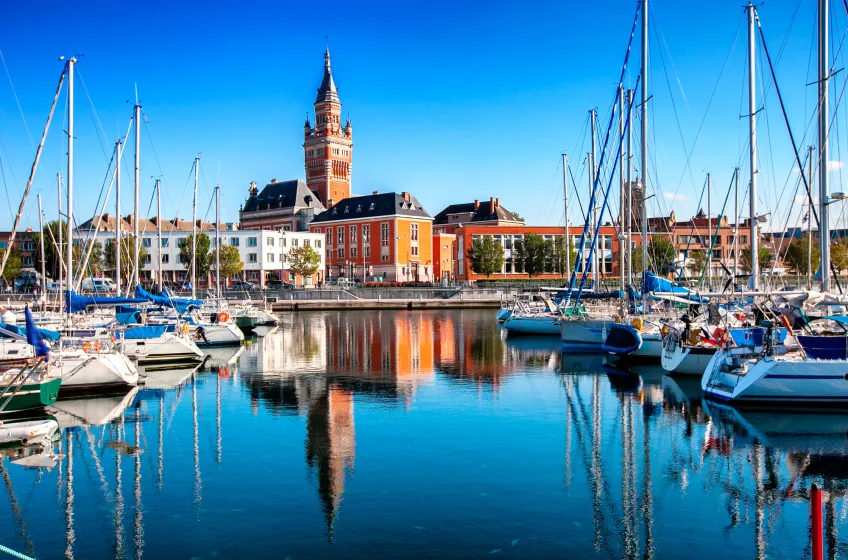
Why is Dunkirk Worth a Visit?
Dunkirk is worth visiting for its extraordinary historical legacy, especially its association with the dramatic World War II evacuation known as the Dunkirk Miracle. However, beyond its wartime past, the city reveals layers of character: canals reminiscent of nearby Belgium, wide beaches that rival the Normandy coast, and a thriving arts and cultural scene.
The city’s strategic location has long made it a melting pot of French and Flemish culture, which is reflected in its architecture, cuisine, and dialects. Dunkirk is also home to one of France’s most unique and exuberant annual events—the Dunkirk Carnival—which transforms the city into a kaleidoscope of colour and sound for several weeks each winter.
Whether you're tracing the footsteps of history, enjoying fresh seafood by the marina, or simply relaxing on the expansive sand dunes, Dunkirk delivers a travel experience that is at once enlightening, energising, and full of unexpected delights.
Dunkirk Highlights: Things to See and Do in Dunkirk
Musée Dunkerque 1940 – Operation Dynamo
This museum, located in Bastion 32 near the beach, is dedicated to the heroic evacuation of Allied soldiers during the Second World War. Using artefacts, multimedia displays, and first-hand accounts, it tells the story of Operation Dynamo and the immense challenges faced in May and June 1940. It’s a must-visit for anyone with an interest in military history or the Second World War, offering a deeply moving and informative experience.
Dunkirk Beach
Dunkirk’s vast sandy beach stretches for kilometres and is one of the city's top attractions. Clean, windswept, and backed by dunes and promenade walks, it's perfect for sunbathing in summer and brisk seaside strolls in winter. The beach was a central site during the 1940 evacuation, and there are monuments and signposts marking key historical points.
Malo-les-Bains
This seaside district is often considered the most picturesque part of Dunkirk, with elegant Belle Époque villas lining the beachfront, cafés overlooking the sea, and a relaxed, holiday feel. It’s a popular area for both locals and visitors, ideal for ice cream, seafood, and enjoying a sunny day by the water.
LAAC – Lieu d’Art et Action Contemporaine
Located near the beach, this contemporary art museum offers a striking contrast to Dunkirk’s historical sites. Surrounded by a sculpture garden, LAAC houses an impressive collection of modern and contemporary works, particularly from the 1950s to 1980s. Art lovers will appreciate the bold, thought-provoking exhibits and the stylish architecture.
Dunkirk Port and Maritime Museum
As one of France’s major ports, Dunkirk has a rich maritime past. The Port Museum, housed in a former tobacco warehouse, showcases this heritage with exhibits on shipbuilding, trade, and life at sea. Visitors can also explore historic ships moored at the quayside, including the lightship Sandettie and the barge Guilde.
Saint-Eloi Church and the Belfry
In the heart of the old town stands the Church of Saint-Eloi, a striking Gothic structure partly rebuilt after wartime damage. Next to it is Dunkirk’s UNESCO-listed belfry, a 15th-century tower offering sweeping views of the city and coast. Climbing to the top is well worth it for a panoramic perspective on Dunkirk’s layout and history.
Dunkirk Carnival
The Dunkirk Carnival is legendary in France—a chaotic, colourful, and joyful celebration that spans several weeks from January to March. The highlight is the “Three Joyful Days” before Lent, when thousands take to the streets in costumes, accompanied by brass bands, confetti, and fish-throwing from the town hall balcony. It’s an unmissable spectacle for those visiting during the season.
Le Plus – Palais de l’Univers et des Sciences
Just outside the city in Cappelle-la-Grande, this hands-on science centre is great for families and curious minds. With interactive exhibits covering astronomy, physics, and the environment, Le Plus makes learning fun and accessible, with a planetarium and changing exhibitions.
Fort des Dunes
A short drive east of the city, Fort des Dunes is a 19th-century military fort turned poignant World War II site. Hidden among sand dunes, it was the scene of fierce fighting in 1940 and later used by the occupying forces. Today it houses a museum that honours the soldiers who fought and died there, with evocative displays and bunkers to explore.
Practical Advice for Visitors
Getting There
Dunkirk is easily accessible by train from Lille (under 1.5 hours) and is around three hours from Paris via connecting services. By car, it’s approximately a 30-minute drive from Calais, making it an ideal destination for those travelling via the Eurotunnel or ferry. From the UK, Dunkirk is a convenient option for a short break across the Channel. Bus and coach services also run from major French and Belgian cities.
Parking
Parking in Dunkirk is generally straightforward, with public car parks in the city centre and along the beachfront. Many areas offer free or low-cost parking, though beachside spots can fill up quickly in summer. Parking near museums and attractions is usually well-signposted and secure.
Dining
Seafood is a highlight of local cuisine, with mussels, herring, and shrimp all featuring on menus. Try La Cocotte on the beachfront for traditional Flemish-style dishes or L’Estaminet Flamand for a rustic, cosy experience. Dunkirk also offers international options, from Italian to Moroccan, and plenty of bakeries for sweet treats and fresh bread.
Shopping
Dunkirk has a variety of shopping options, including the Centre Marine shopping mall and numerous boutiques around the town centre. For local flavour, explore weekly markets (usually on Wednesdays and Saturdays) offering regional produce, cheese, and crafts. Flemish beers and maritime-themed souvenirs make for excellent gifts.
When to Visit
Summer (June to August) is ideal for beach activities and enjoying the promenade. The weather is typically mild and pleasant, though rarely hot. Spring and autumn offer fewer crowds and comfortable weather for sightseeing. If you're after a unique cultural experience, plan a winter visit to coincide with the Carnival—but be prepared for lively crowds and unpredictable weather.
Local Events
Aside from the Carnival, Dunkirk hosts numerous events throughout the year. These include summer music festivals, art exhibitions, and maritime parades. The Journées du Patrimoine in September open historic sites to the public for free, offering a deeper look into Dunkirk’s past. Film enthusiasts may also enjoy screenings at the Studio 43 cinema, a hub for independent and international films.
Exploring Beyond Dunkirk
Dunkirk is a great base for exploring the Opal Coast and northern France. The charming town of Bergues, made famous by the film Bienvenue chez les Ch’tis, is just 15 minutes away. The WWI battlefields and cemeteries around Ypres and Poperinge in Belgium are also within easy reach, as are coastal towns like Gravelines and Calais. Even Bruges is just a 90-minute drive, perfect for a day trip into Belgium.
Dunkirk may be synonymous with a dramatic wartime past, but today it offers far more than history books suggest. With its windswept beaches, vibrant traditions, cultural venues, and welcoming spirit, Dunkirk reveals a side of France that is often overlooked but richly rewarding. Whether for a few days or a longer stay, this northern gem deserves a place on your travel list.
Shortlist
- Your Shortlist is empty