
Discover Roubaix | A Visitor's Introduction to Roubaix
Roubaix is a vibrant former textile powerhouse in northern France’s Nord department, now reborn as a hub of creativity, urban renewal, and cross-border culture. Known for its industrial heritage, thriving art scene, and world-famous La Piscine Museum, this diverse city is perfect for design aficionados, history buffs, and urban explorers. With its mix of industrial charm, contemporary urban culture, and Belgian influence, Roubaix offers an offbeat yet rewarding escape in French Flanders.
Recommended Roubaix Accommodation: Hotels Bed & Breakfasts
Why is Roubaix Worth a Visit?
Roubaix is worth visiting for its remarkable transformation—from textile-industry decline to a hotspot of art, innovation, and cultural diversity. The city’s striking industrial architecture, extensive canal system, and atmospheric brasseries reflect a layered past. More recently, repurposed mills and warehouses house brilliant museums, start-ups, artisanal workshops, and vibrant community projects.
This neighbourhood-style city rewards slow exploration: wander through its creative hubs and historic streets, sample Middle Eastern, African, and Belgian flavours in local eateries, and soak up a strong sense of community pride. Whether you're drawn by design, industrial heritage, or a unique urban energy, Roubaix showcases a northern‐France destination unlike any other.
Roubaix Highlights: Things to See and Do in Roubaix
La Piscine – Musée d’Art et d’Industrie
Housed in a former art deco swimming pool, La Piscine is Roubaix’s crown jewel. Its mosaic‑lined basin, ornate façades, and changing exhibitions fuse art, design, and textile history beautifully. Don’t miss the ceramic, fashion and industrial‑design collections—they bring the “textile capital” story to life.
Villa Cavrois
Designed by Modernist architect Robert Mallet‑Stevens in the 1930s, Villa Cavrois is a restored masterpiece surrounded by sleek gardens. Guided tours reveal its revolutionary living spaces, polished marble finishes and stylish interiors—a forward‑looking vision of interwar domestic architecture.
Wazemmes Market
One of France’s liveliest street markets, held every Tuesday, Thursday and Sunday around Place de la Nouvelle Aventure. Grocers, cheese‑sellers, spice vendors, florists and cafés combine in a colourful, multicultural spectacle—perfect for sampling North African pastries or Belgian waffles.
L’Usine – Creative Workspace District
This revitalised stretch of former textile mills near the Lys river houses independent studios, design workshops, galleries and cafés. Enjoy street art murals, pop‑up shops, craftspeople at work, and a buzzing weekend atmosphere in this trailblazing urban quarter.
Roubaix Metro & Tramway Beaux‑Arts
Take a ride to explore the industrial suburbs, spotting striking old factories, murals, and leafy canal quays. Stop at the Beaux‑Arts station to see contemporary art installations before continuing to the suburbs, where heritage sites are less toured—making for a peaceful alternate route.
Église Saint‑Martin
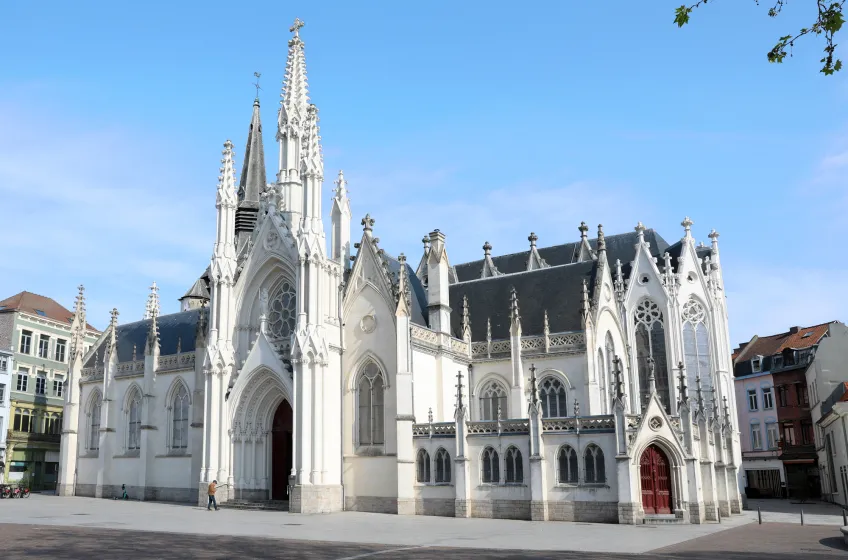
Rub shoulders with Roubaix’s parish community in this 19th‑century church built with local coal‑wealth donations. Glazed bricks, stained‑glass windows and grand nave arches reflect Roubaix’s rich civic spirit and community history.
Manufacture des Flandres
This former textile factory is now a performance and exhibition centre focusing on contemporary arts, dance, and music. Check the programme—international theatre, DJ sets, and local dance performances run year‑round in this vibrant creative hub.
Passage de l’Alma
An elegant covered arcade dating from the 19th century, now lined with eclectic shops, cafés and galleries. It’s a quieter alternative to big city shopping, perfect for browsing design pieces, books and artisanal home objects with a café-stop in between.
Street Art Trail
Roubaix’s walls are galleries in their own right. Follow the self‑guided street‑art trail that winds around L’Usine, the train station, and old mill façades—featuring bold murals by local and international artists.
Practical Advice for Visitors
Getting There
Roubaix is adjacent to Lille and easily reached in under 20 minutes by metro or tram from Lille’s city centre. The city’s main train station is about a 10‑minute walk from La Piscine. From Brussels or Paris, take a high‑speed TGV to Lille, then take public transport or a quick taxi ride.
Parking
Car parks are available near La Piscine, Villa Cavrois, and the centre. Street parking is limited in Wazemmes and L’Usine districts, so using public transport is often easier for day‑trippers. Park‑and‑ride is available on the outskirts, with shuttle connections to Roubaix centre.
Dining
Roubaix’s culinary scene is a fusion of traditions: Algerian‑influenced couscous houses, West African cafés, Belgian‑style brasseries, and hip vegetarian bistros. Seek out Middle Eastern patisseries near Wazemmes market, and canal‑side bars along the Lys for evening cocktails.
Shopping
Explore creative shops in L’Usine and Passage de l’Alma for homewares, vintage textiles, and design pieces by local labels. Wazemmes market is best for everyday goods and ethnic produce. Don’t miss artisanal chocolate boutiques and independent bookstores hidden around the centre.
When to Visit
Spring (April–June) and early autumn (September) offer comfortable weather for wandering canal paths and open‑air creative markets. Summer brings regular art walks, gallery openings and outdoor events. The city remains active year‑round, but winters are quieter apart from Christmas lights in Lille and Roubaix’s festive evenings.
Local Events
Les Nuits Urbaines in June is Roubaix’s annual street‑art and music festival, lighting up L’Usine and the canal district. Villa Cavrois hosts open‑days and design expos in spring. Meanwhile, La Piscine organises evening museum showcases, live music, and art talks across the summer.
Exploring Beyond Roubaix
Roubaix makes a brilliant creative base for further exploration. Continue to Lille for grand old‑city architecture, flagship art museums and Vapiano markets. A short tram ride away lies Villeneuve‑d’Ascq, with its V2 rocket ruins and university‑art-park. Across the border, Belgian towns like Kortrijk and Mouscron are within easy reach.
Roubaix is a compelling blend of industrial legacy, creative rejuvenation, and multicultural spirit. Whether exploring its Art Deco icons, sampling world‑flavours at Wazemmes, or discovering hidden street art, Roubaix surprises and delights with each urban corner.
Shortlist
- Your Shortlist is empty