
A Visitor's Introduction to Dover Transport Museum
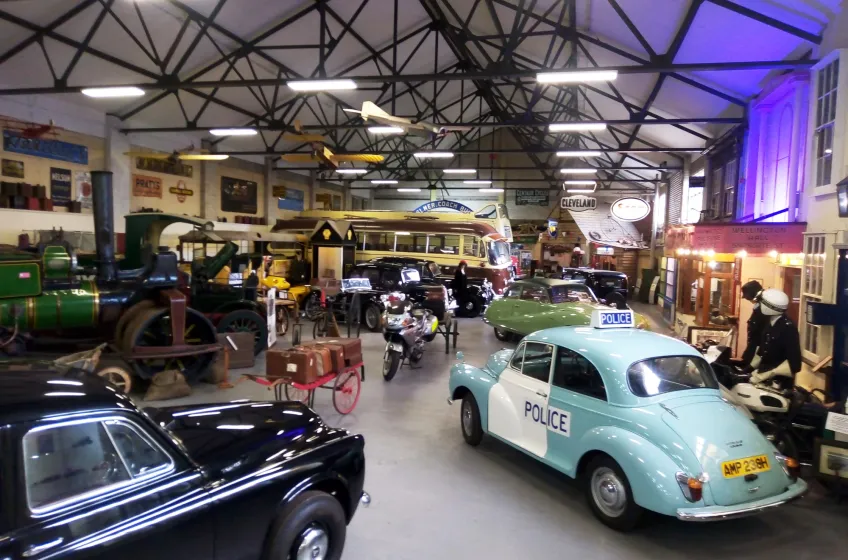
Dover Transport Museum is a volunteer-run attraction located on the outskirts of Dover, Kent, dedicated to preserving and showcasing the transport heritage of the region. Housed in two large hangar-style buildings on the site of the former RAF Hawkinge airfield, the museum contains a varied collection of vintage vehicles, transport memorabilia, model railways, and historical displays that reflect the evolution of road and rail travel in East Kent.
Established in the 1980s and operated by the Dover Transport Museum Trust, the museum has grown through community support and donations to become one of the most comprehensive small transport museums in the south of England. It is particularly noted for its family-friendly atmosphere, extensive volunteer knowledge, and nostalgic reconstructions of historic Dover street scenes.
The museum is open to the public on selected days and also hosts a range of events throughout the year, including classic car shows, model railway exhibitions and themed family days.
Recommended Dover accommodation: Hotels Bed & Breakfasts Pub Accommodation
Why is Dover Transport Museum Worth a Visit?
Dover Transport Museum offers visitors a chance to step back in time and explore how people and goods moved around Dover and East Kent during the 19th and 20th centuries. It is especially appealing to those with an interest in motoring, public transport, industrial history, and model engineering. Its collection includes rare and locally significant vehicles—many restored to their original condition—as well as thousands of related artefacts and period items.
What makes the museum particularly engaging is its use of recreated shopfronts, garages, and street scenes from mid-20th-century Dover, which provide a sense of context for the vehicles and make the exhibits more accessible for all ages. The site’s layout encourages exploration, with themed zones covering everything from motoring and commercial transport to railways and motorcycles.
The museum also provides a valuable community resource, preserving the local history of transport services and trades that played a crucial role in the development of Dover as a port town. Knowledgeable volunteers are usually available to share stories, explain exhibits and answer questions, enhancing the educational value of a visit.
Dover Transport Museum Highlights
Vintage Cars and Motorcycles
The museum’s vehicle collection includes a wide range of classic cars and motorbikes from different eras, dating from the early 1900s to the 1970s. Notable marques on display include Austin, Morris, Ford, Triumph, and Vauxhall, as well as lesser-known British manufacturers. Several of the cars have local histories, having served in the Dover area for decades before retirement and restoration.
Motorcycles also feature prominently, with examples from iconic British brands such as BSA, Norton and Royal Enfield. The display often includes sidecars and scooters, reflecting a broad cross-section of two-wheeled transport history.
Commercial and Utility Vehicles
The museum has a strong focus on vehicles used for work and public service. Visitors can see delivery vans, fire engines, tractors and lorries from the 20th century, including examples used by the Post Office, coal merchants and local tradespeople. These commercial vehicles often feature authentic company liveries and signage from Kent businesses, providing insight into the region’s industrial past.
A particularly popular exhibit is the fully restored AEC fire engine, which draws attention from both children and vintage vehicle enthusiasts.
Dover Street Scene Reconstruction
One of the most atmospheric parts of the museum is the recreated mid-20th-century Dover street scene. Complete with cobbled roadways, lampposts and period signage, it features shopfronts from long-defunct local businesses including a general store, toy shop, garage and barber’s. Each display is filled with authentic artefacts, from packaging and tools to furniture and advertisements.
This immersive exhibit helps to place the vehicles in context and offers a glimpse into everyday life in post-war Dover. For many visitors, especially those with family roots in the area, it’s a nostalgic experience.
Public Transport Vehicles
A selection of buses and coaches from different periods are housed within the museum, including double-deckers from East Kent Road Car Company and others that served local routes. Many are in running condition and are used during special event days for rides around the museum grounds or local roads.
Visitors can step inside some of the buses to see the original seating and fittings, gaining an understanding of how public transport evolved throughout the 20th century.
Model Railways and Toy Collections
Model railway layouts are a key feature of the museum and include several gauges and themes. One of the largest is a detailed layout representing a fictional Kent town, complete with stations, goods yards and miniature vehicles. The museum often hosts events for model railway enthusiasts and children, and volunteers frequently demonstrate the operation of these layouts on open days.
There are also large displays of toy vehicles, Dinky models, and other transport-themed collectibles. These exhibits are particularly popular with younger visitors and collectors.
Railway Memorabilia
The museum includes a substantial collection of railway signs, lamps, signals and station furniture from disused and demolished stations in East Kent. Some of these items come from the region’s long-defunct branch lines and stations closed during the Beeching cuts. These exhibits preserve a part of Dover's wider transport story and help explain the role of the rail network in supporting the town's economy.
Engineering Tools and Workshops
Several displays focus on the tools and equipment used in vehicle repair, blacksmithing and small-scale industry. Restored workshops show how mechanics, electricians and metalworkers would have carried out their tasks in earlier decades. These zones are filled with vintage hand tools, benches, motors and spare parts that provide a hands-on understanding of trades from the past.
Thematic and Seasonal Events
Throughout the year, Dover Transport Museum hosts a number of themed events that draw car clubs, model collectors and families. These include classic car rallies, vintage bus days, and transport-themed craft fairs. Event days often feature food stalls, live demonstrations and rides in vintage vehicles, enhancing the overall visitor experience.
Nearby Attractions
Dover Transport Museum is located on Willingdon Road, just a short drive from Dover town centre and easily combined with visits to other local attractions. Dover Castle, operated by English Heritage, is one of the most significant sites nearby, offering extensive views, underground tunnels and a detailed history of British defence. The museum makes a good pairing with a visit to the castle for those interested in engineering, military and logistics history.
The White Cliffs of Dover are within easy reach and provide scenic walking routes along the coast. The National Trust’s Visitor Centre at Langdon Cliffs is a good starting point. For visitors interested in maritime heritage, the Dover Museum in the town centre contains the world-famous Bronze Age Boat and other local historical artefacts.
Also nearby is the Roman Painted House, a preserved Roman building with original frescoes, as well as the historic Maison Dieu, Dover’s town hall. The coastal towns of Deal and Folkestone are easily reachable by car or train, offering additional historical sites, art galleries and seafront walks.
Practical Advice for Visitors
Dover Transport Museum is located around three miles north of Dover town centre and is best reached by car. Free on-site parking is available, and the site is well signposted from the A2. The nearest public transport links are in central Dover, so visitors using trains or buses will need to take a taxi or cycle to the museum. The museum’s rural location means that walking from the town centre is not practical for most visitors.
The museum is typically open on Sundays and Bank Holiday Mondays, with additional open days during school holidays and for special events. Opening times and events are listed on the museum’s official website, and visitors are encouraged to check before making a trip.
There is a small café area inside serving tea, coffee and snacks on open days. Picnic tables are available outside for visitors bringing their own food. The museum is generally accessible, although parts of the exhibits are in older buildings with limited mobility access. Staff and volunteers are on hand to assist if needed.
Entry fees are modest, with discounts for children, families and seniors. Group visits and school trips can be arranged by prior appointment, and guided tours are sometimes offered. Photography is permitted throughout the museum, although flash may be restricted in some display areas.
As a family-friendly attraction, the museum offers hands-on elements for children, including activity trails and the opportunity to sit in some of the vehicles. The atmosphere is informal and welcoming, and the volunteer team is known for sharing local stories and historical context.
Conclusion
Dover Transport Museum provides an engaging and nostalgic journey through over a century of transport history in East Kent. With its broad collection of vintage vehicles, recreated street scenes, model railways and historic artefacts, it offers something for transport enthusiasts, history buffs and families alike. The museum not only preserves important local heritage but presents it in a way that is accessible and enjoyable for all ages.
Whether you're interested in classic cars, buses, motorcycles or simply want to explore how life in Dover has changed over time, a visit to this volunteer-run museum offers both education and entertainment in a relaxed and welcoming environment.
Shortlist
- Your Shortlist is empty