
Discover Dover Museum | A Visitor's Introduction to Dover Museum
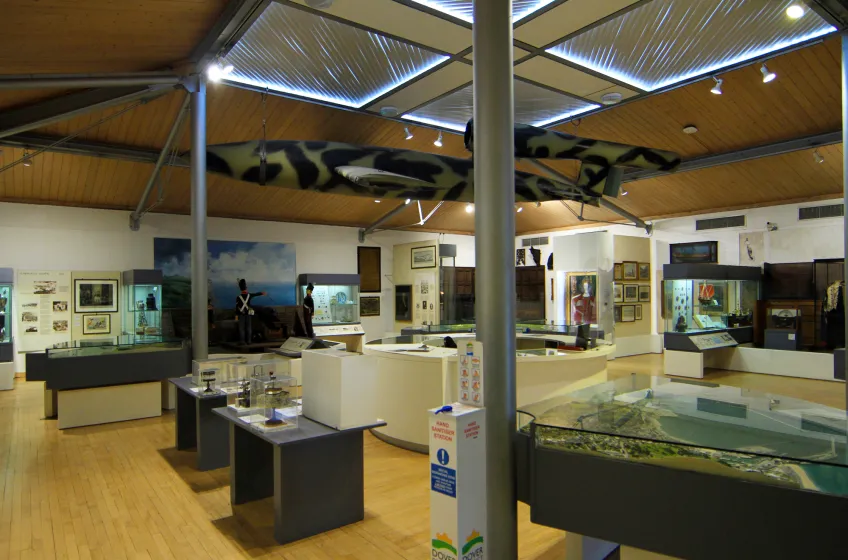
Dover Museum is a local history museum situated in the town centre of Dover, Kent, close to the seafront and within walking distance of Dover Castle and the town’s railway station. Housed in a 19th-century building, with modern extensions added in the late 20th century, the museum traces the rich and varied history of Dover from prehistoric times to the present day. Operated by Dover District Council, the museum is best known for its internationally significant Bronze Age Boat Gallery, which showcases the remains of what is believed to be the world’s oldest known seagoing boat.
As a community-focused museum, it serves both educational and tourism purposes, offering a detailed insight into the archaeological, maritime, and social history of this strategically important port town. Entry is free to the permanent exhibitions, making it an accessible and worthwhile destination for a wide range of visitors, including families, school groups, and independent travellers.
Recommended Dover accommodation: Hotels Bed & Breakfasts Pub Accommodation
Why is Dover Museum Worth a Visit?
Dover Museum is worth visiting for its unique combination of local history, archaeological significance and maritime heritage. Its most famous exhibit—the Dover Bronze Age Boat—is a major archaeological discovery of global importance, dating back over 3,000 years and shedding light on prehistoric boat-building and cross-Channel trade.
Beyond the boat, the museum offers a detailed and well-presented narrative of Dover’s history as one of Britain’s key gateway towns. From Roman occupation and Saxon settlements to its role in the Napoleonic Wars and both World Wars, the museum presents the town's strategic and cultural relevance through informative displays, reconstructed scenes, and original artefacts.
The museum also plays a vital role in preserving and interpreting the local area’s archaeological finds, many of which have been uncovered during construction and infrastructure projects. As such, it is not just a repository of artefacts, but a dynamic institution that helps visitors understand the continuous human occupation of the region over millennia.
Dover Museum Highlights
The Bronze Age Boat Gallery
The museum’s centrepiece is the Dover Bronze Age Boat, discovered in 1992 during roadworks near the town centre. Dated to around 1550 BCE, the vessel is constructed from oak planks stitched together with twisted yew and sealed with a moss-based caulking. Around 9.5 metres of the original boat has been preserved and is now on permanent display in a climate-controlled gallery. The display is supported by interactive panels, multimedia presentations and reconstructed boat models, helping to contextualise its significance in the wider history of prehistoric seafaring.
The gallery also explores the methods used during excavation and conservation, as well as the implications of the find for understanding Bronze Age trade and communication across the English Channel. It’s a rare chance to see such an ancient maritime artefact in excellent condition and with detailed supporting information.
Archaeology Gallery
This gallery presents artefacts from a wide range of historical periods uncovered in and around Dover. Items on display include prehistoric tools, Roman pottery, Anglo-Saxon jewellery and medieval coins. Highlights include a Roman cremation urn, Iron Age loom weights and Saxon brooches. The gallery gives a sense of Dover’s long human occupation and its development from a small settlement into a bustling port town.
Exhibits are supported by information panels that explain the archaeological methods used to unearth and date these finds, offering visitors insight into both the ancient objects and the scientific techniques behind their discovery.
Medieval Dover
Dover was a prominent town during the medieval period, serving as one of the Cinque Ports—a historic group of ports that provided ships and men for the king’s service in return for privileges. The museum explores this period through a variety of displays, including models of medieval Dover, examples of civic and religious artefacts, and information about the construction and development of Dover Castle.
There are also details about local trade, crafts, and daily life during the Middle Ages. A model of medieval Dover helps illustrate the layout and scale of the town during the 12th and 13th centuries.
Maritime and Port History
Dover’s identity is closely tied to its role as a gateway to continental Europe. The museum features exhibits exploring the history of Dover Harbour, ferry services, smuggling, naval defence, and the Channel crossings that have shaped the town. Photographs, ship models, and passenger memorabilia help convey how the port has evolved over time, particularly in the 19th and 20th centuries.
There are also sections dedicated to shipbuilding and the lives of those who worked in the harbour. Audio-visual materials help bring these maritime stories to life, including oral history recordings from local people.
Wartime Dover
Dover's proximity to France made it a frontline town during both the First and Second World Wars. The museum’s wartime exhibits focus on the town’s experience of air raids, evacuation, military presence and the role of the Dover Patrol during naval operations. Uniforms, posters, letters and personal objects are displayed alongside contextual materials explaining Dover's strategic significance during conflict.
The museum also touches on the Cold War period and how Dover's coastal defences continued to evolve in the post-war years.
Temporary Exhibitions and Events
Dover Museum hosts a programme of rotating exhibitions and events that often focus on specific aspects of local history, art or archaeology. These temporary displays draw on both the museum’s own collections and those of partner institutions. Past topics have included Roman cooking, Victorian photography, and Dover’s role in Operation Dynamo.
Workshops and family-friendly activities are held throughout the year, especially during school holidays, making the museum a lively venue for community engagement.
Nearby Attractions
Dover Museum is located in the town centre, making it easy to visit alongside several other notable attractions. Dover Castle, one of the most significant military fortifications in the UK, is a short walk or drive away. Visitors can explore its medieval Great Tower, the Roman Pharos (lighthouse), and extensive wartime tunnels used during Operation Dynamo.
The White Cliffs of Dover, managed by the National Trust, are within easy reach and offer dramatic coastal walks and views across the English Channel. The Fan Bay Deep Shelter and South Foreland Lighthouse are further highlights for those interested in military history and Victorian engineering.
Maison Dieu, Dover’s historic town hall, is located nearby and occasionally opens for tours and events, showcasing medieval architecture and civic history. Additionally, the Roman Painted House—an excavated Roman building featuring original wall frescoes—is located just a few minutes’ walk from the museum.
For those looking to explore the wider region, Canterbury Cathedral and the city’s medieval streets are accessible via train, as are the coastal towns of Deal and Folkestone, both of which have their own castles, art galleries and seafront attractions.
Practical Advice for Visitors
Dover Museum is located on Market Square in the town centre and is easily accessible by public transport. Dover Priory railway station is approximately a 10–15-minute walk away and has frequent services from London and Ashford. Local buses also stop nearby, and the town is well signposted for drivers arriving via the A2 or A20.
Entry to the museum is free for all visitors, though donations are welcome. Opening times may vary seasonally, so checking the museum’s official website or contacting them in advance is recommended. The building is accessible for wheelchair users, and lifts connect the floors. Accessible toilets are available on-site.
A small shop near the reception sells books, postcards and gifts relating to local history and archaeology. There is no café within the museum, but several cafés and restaurants are located just outside in the town square.
The museum is family-friendly, with children’s activity sheets, handling collections and interactive displays throughout the galleries. School groups are welcomed by prior arrangement, and educational materials are available for teachers.
As some areas of the museum contain low lighting for conservation purposes, those with visual impairments may wish to bring assistance. Visitors with an interest in more detailed historical or archaeological information can benefit from leaflets and guides available at the front desk.
Conclusion
Dover Museum provides a comprehensive and accessible overview of the town’s rich history, from the prehistoric era to modern times. Its central exhibit—the Bronze Age Boat—is of international archaeological significance and alone makes the museum a worthwhile visit. However, the broader collections and exhibitions deepen the understanding of Dover’s unique role in British history as a cultural, military and maritime hub.
Whether you’re passing through on the way to the continent, exploring Kent's heritage, or interested in archaeology and seafaring, Dover Museum offers a thoughtful and informative experience at the heart of one of England’s most historically important towns.
Shortlist
- Your Shortlist is empty