
A Visitor's Introduction to The Church of St. Bartholomew the Great
St Bartholomew the Great is one of London’s oldest and most historically significant churches, situated in the Smithfield area of the City of London. Founded in 1123 as part of an Augustinian priory, the church has survived the Dissolution of the Monasteries, the Great Fire of London, and both World Wars. It remains a functioning parish church and a rare example of Norman ecclesiastical architecture in the capital. With its distinctive mix of Romanesque and later Gothic elements, atmospheric interior, and connections to numerous events and figures in English history, St Bartholomew the Great offers visitors a compelling glimpse into London’s medieval past.
Recommended City of London accommodation: Hotels Bed & Breakfasts Pub Accommodation
Pre-book London Attractions, Tours & Experiences
Why Is St. Bartholomew the Great Worth a Visit?
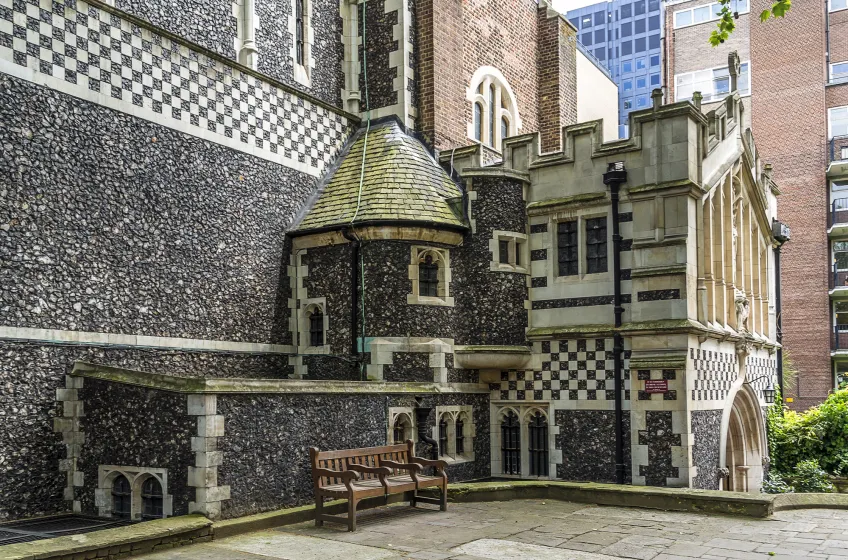
St Bartholomew the Great is worth visiting for its architectural rarity, historical continuity, and quiet sense of reverence that sets it apart from many other London landmarks. Unlike some of the city’s grander religious sites, it has retained an intimate and contemplative atmosphere, enhanced by its dimly lit nave, stone columns, and centuries-old tombs and monuments. Visitors interested in medieval history, religious architecture, and the development of London over the last millennium will find the church especially rewarding. The church has also served as a location for numerous film and television productions, and its authentic, untouched interior is often used to represent earlier periods of English history.
St. Bartholomew the Great Highlights
The Norman Nave
The nave of St Bartholomew the Great is one of the finest surviving examples of Norman church architecture in London. With its round arches, thick stone pillars, and simple yet massive design, it offers a powerful sense of the building's 12th-century origins. The nave’s proportions and layout remain largely unchanged since the church was founded, giving visitors a rare chance to experience a space that has remained in continuous use for over 900 years.
The Quire and Sanctuary
The sanctuary area, located beyond the nave, contains some later medieval modifications, including Gothic arches and decorative stonework. This part of the church is still used for religious services, including regular sung Eucharist and Evensong. It also features the intricately carved high altar, beneath which lies a stone slab believed to mark the resting place of the church’s founder, Rahere.
The Lady Chapel
Located at the eastern end of the church, the Lady Chapel was added in the 14th century and has had a varied history, including periods of secular use. It was at one time used as a printer’s workshop and later as a private dwelling, before being restored for liturgical use. Today, it serves as a peaceful and reflective space, often used for smaller services and private prayer.
The Tomb of Rahere
Rahere, a courtier of King Henry I who later became a monk, founded both St Bartholomew’s Priory and the adjoining hospital. He is buried within the church, and his tomb is located near the sanctuary. The 15th-century tomb effigy depicts him in monastic robes, and the surrounding carving and detail provide a focal point for visitors interested in the origins of the site.
The Cloister Arch
The entrance to the church is through the surviving part of the priory’s cloister, marked by a striking Norman arch. This approach enhances the sense of stepping back in time, and the remains of the monastic precinct can still be seen integrated into surrounding buildings. The arch itself is one of the oldest surviving structural elements on the site.
The Charterhouse Link
St Bartholomew the Great historically had connections with the nearby Charterhouse, another monastic foundation. Though administratively separate, the two religious institutions shared a geographical and spiritual proximity. Visitors with an interest in monastic history often explore both sites together to gain a fuller picture of medieval religious life in London.
The Film and Television Location
Owing to its preserved medieval appearance, St Bartholomew the Great has featured in many films and television series. These include Four Weddings and a Funeral, Shakespeare in Love, The Other Boleyn Girl, and The Crown. The church’s atmospheric interior makes it a sought-after location for productions seeking authenticity and historical depth.
The Organ and Music
The church is known for its strong musical tradition, particularly its choral music. The organ, rebuilt in the 20th century using earlier pipework, supports the liturgical life of the church and features prominently in regular services and occasional concerts. The acoustics of the Norman stone interior lend themselves well to both vocal and instrumental performances.
The Chapter House and Cloister Area
The remains of the chapter house and surrounding cloister buildings provide further insight into the layout of the original priory. Though only fragments survive, careful restoration and signage help visitors understand the former scale and function of the priory complex. The adjacent garden area offers a quiet place to reflect.
The Font and Baptistry
Located near the entrance, the church’s font is a fine example of post-Reformation design, and is still used for baptisms today. The small baptistry chapel surrounding it adds to the intimate feel of the church and reflects the continuity of parish life through the centuries.
Memorials and Monuments
Throughout the church are various memorials to notable individuals, including scholars, physicians, and clergy associated with the parish. These include inscriptions and plaques from the 17th century onwards, reflecting the church’s role in the intellectual and civic life of London.
Nearby Attractions
St Bartholomew the Great is well placed for visitors interested in exploring other historical and cultural sites in the City of London and Clerkenwell areas. Just across the street is St Bartholomew’s Hospital, founded alongside the priory by Rahere in 1123, making it the oldest hospital in the UK still on its original site. The hospital has its own museum, which explores its long medical history and famous connections, including the work of William Harvey.
A short walk away is The Museum of London, currently undergoing relocation and renovation but still of interest for its surrounding site and Roman remains. Also nearby is Smithfield Market, one of London’s historic meat markets, with origins dating back to the medieval period. Though now in transition, the market buildings remain architecturally significant.
A ten-minute walk to the north brings visitors to Charterhouse Square and The Charterhouse, a former Carthusian monastery and later Tudor mansion, now open to the public as a museum and almshouse. Guided tours offer insight into the religious and social changes in England from the 14th century to the present.
To the south lies St Paul’s Cathedral, a more famous and much larger place of worship, but equally worth visiting for its Baroque architecture and city views from the dome. Also within walking distance are The Old Bailey, Postman’s Park, and Guildhall, each with its own historical significance.
Practical Advice
St Bartholomew the Great is located at West Smithfield, London EC1A 9DS, and is easily reached by public transport. The closest Underground station is Barbican, with Farringdon and St Paul’s also within walking distance. Numerous bus routes serve the area, and it is also accessible by foot from other central London locations.
The church is open to visitors on most days, though it may close for private services or events, so checking ahead via the church’s website is advisable. There is an entry fee for visitors who are not attending a service, which helps support the upkeep of the historic building. Guided tours are available and recommended for those wanting to explore the full historical and architectural context of the church.
Photography is permitted for personal use, though restrictions may apply during services. The church has a small shop offering books, cards, and religious items, and there is often a volunteer or steward on hand to answer questions. There are no café facilities on site, but several coffee shops, pubs, and restaurants can be found in the surrounding Smithfield area.
Accessibility is limited in some parts due to the historic nature of the building, but efforts have been made to accommodate wheelchair users where possible. The atmosphere inside the church is usually quiet and reverent, making it a good destination for those seeking a contemplative or historically immersive experience away from the noise of central London.
Visiting St Bartholomew the Great offers a rich and memorable insight into the city’s religious, architectural, and cultural heritage. Its layered history and well-preserved features make it a unique and valuable stop for anyone exploring London’s historical heart.
Shortlist
- Your Shortlist is empty