
A Visitor's Introduction to The Barbican Art Gallery
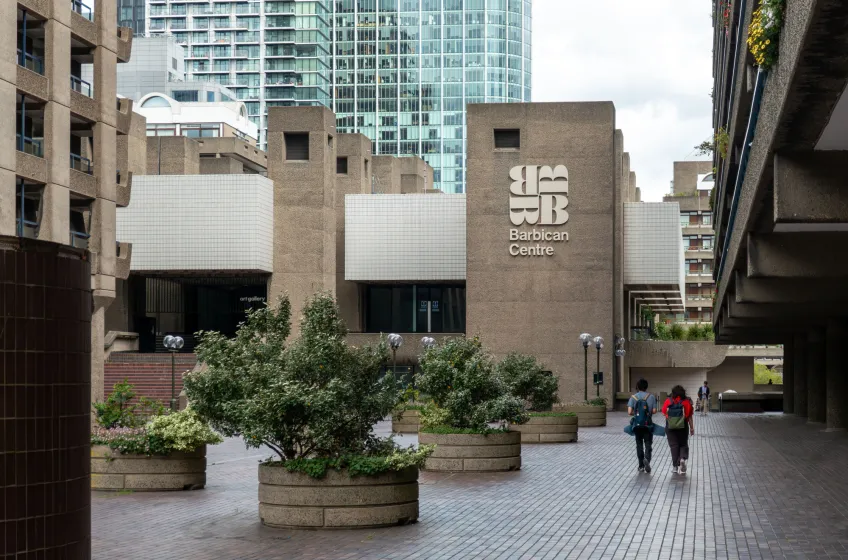
Barbican Art Gallery is one of London’s leading spaces for contemporary and modern art exhibitions. Located within the Barbican Centre in the heart of the City of London, the gallery forms part of a broader arts complex that includes performance venues, cinemas, and public spaces. The Barbican Centre itself is an iconic example of Brutalist architecture, designed by Chamberlin, Powell and Bon and completed in the early 1980s. The gallery plays a central role in the centre's mission to bring a wide range of visual art experiences to the public, presenting major exhibitions that span fine art, design, architecture, fashion, and photography.
Barbican Art Gallery operates alongside the smaller but influential Curve Gallery, a space known for its immersive, site-specific installations. Together, these venues host an ambitious and international programme of exhibitions and commissions that often draw connections between art and wider cultural or social themes. Visitors to the gallery can expect to encounter thought-provoking displays that range from retrospectives of 20th-century masters to cutting-edge works by contemporary artists. It is not a permanent collection-based institution, but a rotating exhibition space, which means there is always something new to see.
Recommended City of London accommodation: Hotels Bed & Breakfasts Pub Accommodation
Pre-book London Attractions, Tours & Experiences
Why Is The Barbican Art Gallery Worth a Visit?
Barbican Art Gallery is worth visiting for its consistently high-quality programming and its commitment to presenting both historical and contemporary work in meaningful contexts. The gallery has developed a strong reputation for its thematic exhibitions, which often combine artworks, archival material, photography, and film to explore broader cultural narratives. These exhibitions are frequently the result of in-depth curatorial research and are sometimes co-produced with international institutions, lending them both scale and relevance.
The gallery's exhibitions often appeal to a broad audience, from casual visitors to serious art enthusiasts. It has presented major shows dedicated to artists such as Jean-Michel Basquiat, Carolee Schneemann, Lee Krasner, and Marcel Duchamp, as well as design-focused exhibitions on topics like post-war Japanese design, the Bauhaus movement, and artificial intelligence in art. This diversity in programming makes the gallery a key destination for anyone interested in the intersection of visual culture and contemporary ideas.
Another strength of the Barbican Art Gallery is its ability to create immersive experiences. It often integrates sound, film, performance, and interactive elements into its exhibitions, enhancing the visitor experience and creating an environment where art is not only observed but engaged with. For visitors seeking a deeper understanding of the cultural, political or historical background behind the artworks, the Barbican often supplements its exhibitions with talks, film screenings, and live events.
Highlights of the Barbican Art Gallery
Architecture and Setting
The Barbican Centre, of which the gallery is a part, is one of the most distinctive architectural landmarks in London. Designed in the Brutalist style, the complex’s concrete forms and elevated walkways provide a unique backdrop for art exhibitions. The setting adds a layer of architectural interest that complements the gallery’s modern and contemporary focus. The gallery itself is situated on the third floor of the main building and offers a fluid, adaptable layout that allows each exhibition to be tailored spatially.
Major Exhibitions
Barbican Art Gallery is best known for its major temporary exhibitions, which change several times a year. Past shows have included "Basquiat: Boom for Real" (2017), the first large-scale exhibition in the UK of the American artist’s work, and "Masculinities: Liberation through Photography" (2020), a thematic exploration of male identity through images by photographers such as Rotimi Fani-Kayode and Richard Avedon. These exhibitions often include rare loans from international collections, archival documents, and newly commissioned pieces.
The Curve Gallery
While not part of the main Barbican Art Gallery space, The Curve is a vital component of the visual arts programme at the Barbican. This long, curved corridor gallery runs along the outer edge of the concert hall and features immersive, site-specific commissions. Artists such as Richard Mosse, Yto Barrada, and Trevor Paglen have created installations that respond directly to the architectural and acoustic qualities of the space. The Curve exhibitions are free to enter and offer a more experimental counterpoint to the main gallery's programming.
Interdisciplinary Approach
One of the key strengths of Barbican Art Gallery is its integration with the wider Barbican Centre. Because the centre also includes venues for theatre, music, dance, and film, the gallery often collaborates with other departments to offer cross-disciplinary events. These might include live performances, artist talks, or film seasons that complement a current exhibition. This approach reflects the centre’s broader ethos of presenting the arts in dialogue with one another, enriching the visitor experience.
Digital Innovation
In recent years, Barbican Art Gallery has embraced digital technology both within its exhibitions and in its online presence. Exhibitions often incorporate digital installations or use multimedia to provide additional context for the works on display. The gallery also provides rich digital resources, including exhibition guides, recorded talks, and virtual tours, which are available on the Barbican’s website. This makes the gallery more accessible to a wider audience and allows visitors to engage with the content before or after their visit.
Inclusive and Global Perspectives
Barbican Art Gallery places an emphasis on showcasing underrepresented artists and global perspectives. Its curatorial choices often highlight work from artists outside the traditional Western canon and explore themes such as migration, identity, colonialism, and technology. This commitment to inclusivity ensures that the exhibitions remain relevant to a diverse audience and offer critical insights into contemporary global issues.
Learning and Public Programmes
The gallery offers a range of educational and interpretive resources, including curator-led tours, artist talks, and workshops. These events are designed to appeal to a variety of audiences, from school groups and families to specialist art audiences. The Barbican’s Learning programme also extends into the community, with projects that support emerging artists and encourage young people to engage with the arts.
Design and Architecture Exhibitions
Barbican Art Gallery is also notable for its exploration of design and architecture. Past exhibitions have focused on themes such as the future of housing, digital fabrication, and sustainable architecture. These shows often include models, architectural drawings, interactive displays, and video installations, making them appealing to a wide audience interested in the built environment.
Shop and Publications
The gallery shop offers a carefully curated selection of books, exhibition catalogues, design objects, and prints. Many exhibitions are accompanied by in-depth catalogues that include essays by leading scholars and critics. These publications provide an opportunity to explore the exhibition themes in greater depth and are valued both by collectors and general readers.
Nearby Attractions
Barbican Art Gallery is located in central London, making it well-positioned for visitors wishing to explore nearby attractions. Just a short walk away is the Museum of London, which tells the story of the capital from prehistoric times to the present day. The museum is currently undergoing redevelopment, but elements of its programming remain accessible online and in temporary locations.
Also nearby is the Guildhall Art Gallery, which houses the City of London Corporation’s art collection, including notable Pre-Raphaelite paintings and the remains of a Roman amphitheatre in its basement. A little further afield, but still within walking distance, are attractions such as St Paul’s Cathedral, the historic Smithfield Market, and the contemporary Whitecross Street food market.
For those interested in architecture, the area around the Barbican includes several other examples of post-war urban planning and Brutalist design, including the nearby Golden Lane Estate. The walking routes around the Barbican complex itself also reveal a carefully planned, pedestrian-friendly urban environment that reflects the social ideals of mid-20th-century urban design.
Practical Advice for Visitors
Barbican Art Gallery is open daily, with evening openings on several days of the week to allow greater flexibility for visitors. Tickets for exhibitions can be purchased in advance online through the Barbican website or at the centre’s ticket desk. Some exhibitions are free, particularly those in The Curve gallery, but the main exhibitions are usually ticketed.
The Barbican Centre is accessible via Barbican and Moorgate Underground stations, both within a short walking distance. Several bus routes also serve the area. The complex is well-signposted and includes lifts and accessible routes for visitors with mobility impairments. Assistance dogs are welcome, and the gallery provides large-print guides and other accessible materials upon request.
Within the Barbican Centre, there are multiple cafés and restaurants, including a lakeside café with outdoor seating, a coffee bar in the main foyer, and more formal dining options. Free Wi-Fi is available throughout the centre, and there are ample seating areas for visitors to rest or work. Toilet facilities, including accessible and gender-neutral options, are located throughout the building.
Exhibition times vary, so visitors are advised to check the website for current and upcoming shows. To avoid crowds, weekday mornings and late afternoons tend to be quieter. The Barbican's central location makes it a convenient part of a larger day out in London, and its wide-ranging programming means it offers something of interest to most visitors, whether they are art specialists or casual browsers.
Conclusion
Barbican Art Gallery stands out as a dynamic and intellectually engaging space for contemporary and modern art in London. Through its diverse exhibitions, interdisciplinary collaborations, and thoughtful public programmes, it offers visitors the chance to explore a wide spectrum of artistic practices and cultural themes. Its location within the wider Barbican Centre adds architectural interest and enhances the experience with access to a variety of other cultural events and amenities. Whether as part of a focused visit or a broader cultural itinerary in London, Barbican Art Gallery offers a compelling reason to engage with the art and ideas shaping the world today.
Shortlist
- Your Shortlist is empty