
Discover Hallstatt | A Visitor's Introduction to Hallstatt
Recommended places to visit, places to stay and things to do in and around Hallstatt
Hallstatt is a small lakeside village in Upper Austria’s Salzkammergut region, squeezed between Hallstätter See and the steep Dachstein mountains. Known for its ancient salt-mining heritage, traditional Alpine houses and dramatic waterfront setting, this village is a perfect destination for photographers, history enthusiasts and travellers exploring Austria’s lake district. With its mountain viewpoints, archaeological importance and easy access to Obertraun and Bad Ischl, Hallstatt is best enjoyed as part of a wider Salzkammergut itinerary.
Recommended Hallstatt hotels and other accommodation
Pre-book Hallstatt Attractions, Tours & Experiences
Why is Hallstatt Worth a Visit?
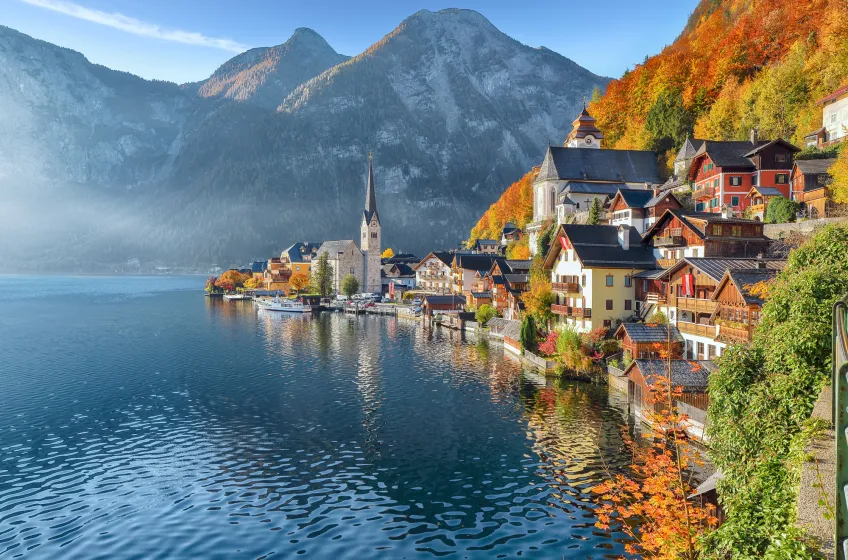
Hallstatt is worth visiting for its extraordinary combination of natural beauty and ancient history. Houses appear to rise directly from the lakeshore, while wooded mountain slopes climb sharply behind the village. On calm mornings, the church tower and surrounding peaks are reflected in the water.
Salt has been extracted from the mountains above Hallstatt for thousands of years. Archaeological discoveries made here were so important that the Hallstatt period of European prehistory was named after the village.
Hallstatt is undeniably beautiful, but it is also one of Austria’s busiest small destinations. Large numbers of day visitors arrive between late morning and mid-afternoon, making careful timing essential. Staying overnight or visiting early in the morning reveals a much quieter and more appealing side of the village.
The surrounding Salzkammergut deserves just as much attention. Obertraun provides access to the Dachstein mountains, Bad Goisern offers cycling and traditional countryside, while Bad Ischl combines imperial history with excellent transport connections.
Hallstatt Highlights: Things to See and Do in Hallstatt
Hallstatt Market Square
Hallstatt’s small Market Square forms the heart of the historic village. Traditional houses with wooden balconies and colourful façades surround a central fountain.
Cafés, restaurants and guesthouses occupy many of the buildings. The square is especially attractive during the early morning, before the main flow of day visitors begins.
From here, narrow lanes lead towards the churches, waterfront and viewpoints above the village. The area is compact, but steep paths and steps make it less accessible than it first appears.
Hallstatt Waterfront
The waterfront path provides the village’s classic views across Hallstätter See towards the mountains.
Passenger boats, traditional wooden buildings and steep slopes create an exceptionally photogenic setting. The most famous view lies north of the centre, looking back towards the Catholic church and tightly grouped houses.
This viewpoint can become congested. Keep doorways and narrow roads clear, and remember that many surrounding buildings are private homes rather than attractions.
Continue beyond the busiest section for quieter views and small lakeside spaces.
Catholic Church and Cemetery
The Catholic parish church stands on a terrace above the northern end of the village.
Its elevated position provides views across the rooftops, lake and mountains. The adjoining cemetery is carefully maintained, with individual graves decorated with flowers, lanterns and painted markers.
The church remains an active place of worship. Visitors should speak quietly and avoid photographing ceremonies or mourners.
Reaching the church involves steps and a moderately steep climb from the waterfront.
Hallstatt Ossuary
The ossuary, or Bone House, occupies a small chapel beside the Catholic church.
It contains hundreds of human skulls, many painted with names, dates, flowers or symbolic designs. The tradition developed partly because Hallstatt’s limited burial space required older remains to be moved when graves were reused.
Although unusual, the display is a religious and commemorative site rather than a macabre attraction. Visit respectfully and follow any photography restrictions.
Opening hours may be shorter outside the main visitor season.
Hallstatt Museum
Hallstatt Museum explains the village’s archaeological, cultural and salt-mining history.
Its displays cover prehistoric burial finds, Iron Age settlement, Roman activity and the development of the modern community. The museum is especially useful when the salt mine is inaccessible or when poor weather limits outdoor activities.
Allow around 60 to 90 minutes. Visiting early in your stay provides valuable context for the archaeological landscape and historic buildings.
Salt Mine and Hallstatt Skywalk
The salt mountain above Hallstatt contains one of the world’s oldest documented salt-mining areas. The visitor experience normally combines an underground mine tour with exhibitions, miners’ slides and views from the Hallstatt Skywalk.
However, the salt mine, funicular and Skywalk are currently closed for major construction work. They are scheduled to reopen on 1 September 2026. Visitors travelling before that date should plan their itinerary without relying on access to the Salzberg attractions.
After reopening, advance booking is likely to be sensible because the mine is one of Hallstatt’s most popular experiences. Warm clothing and closed footwear are necessary underground, even during summer.
Hallstatt Archaeological Excavations
Archaeological remains beneath and around the village reveal Hallstatt’s long settlement history.
A small archaeological display beneath a modern building in the centre shows structural remains and information about historic life beside the lake.
The site is easy to miss and takes relatively little time, but it complements the larger museum and reinforces how much history lies beneath the modern village.
Hallstätter See Boat Trip
A boat trip provides a broader perspective on Hallstatt’s mountain setting.
Passenger services connect the village with Hallstatt railway station on the opposite shore. Seasonal boats may also travel towards Obertraun or other points around the lake.
The short ferry journey between the station and village is particularly memorable, as Hallstatt slowly comes into view across the water.
Schedules are less frequent outside the main season, so check the final return departure carefully.
Hallstatt Railway Station Ferry
Hallstatt railway station is located across the lake rather than inside the village.
A ferry normally connects arriving trains with the central landing stage. This creates one of the most scenic public-transport arrivals in Austria.
Check that the ferry is operating with your chosen train, especially early in the morning, during winter or late in the evening. Allow extra time when making onward rail connections.
Buying through tickets where available can simplify the journey.
Walk to the Kalvarienberg Church
The Kalvarienberg Church stands south of the main village on an elevated wooded site.
The walk provides a quieter alternative to the crowded northern waterfront. Along the route, views open across the lake and towards the historic centre.
The church and surrounding area are peaceful, particularly in the morning or evening. Paths may be slippery after rain, so wear shoes with reasonable grip.
Explore Obertraun
Obertraun lies at the southern end of Hallstätter See and is a practical alternative base.
It has a railway station, lakeside bathing area, campsites and access to the Dachstein Krippenstein cable-car system. Accommodation is often easier to find and may provide better value than central Hallstatt.
Obertraun feels more spacious and residential, with fewer sightseeing crowds. Buses, trains and seasonal boats connect it with Hallstatt.
Dachstein Krippenstein
The Dachstein Krippenstein mountain area rises above Obertraun and offers caves, viewing platforms and high-level walking.
Depending on seasonal opening and weather conditions, visitors may be able to explore the Giant Ice Cave, Mammoth Cave and the Five Fingers viewpoint.
The Five Fingers platforms project above the mountain landscape, providing views over Hallstätter See and the surrounding peaks. Reaching them requires a walk from the upper cable-car station.
Conditions can be cold, windy or snowy even when Hallstatt is warm. Take waterproof clothing, an extra layer and proper footwear.
Echern Valley
The Echern Valley extends behind Hallstatt into a quieter landscape of forest, streams, waterfalls and steep mountain walls.
Walking routes lead towards natural features and historic sites associated with the salt industry. The valley offers a welcome escape from the crowded waterfront.
Trail conditions vary with weather and season. Some routes may be affected by rockfall, forestry work or snow, so check locally before setting out.
Practical Advice for Visitors
Getting There
Hallstatt can be reached by train, bus or car.
Travelling by train is particularly scenic. Services run to Hallstatt railway station on the eastern side of the lake, followed by a short ferry crossing to the village.
From Salzburg, public-transport journeys normally involve a combination of bus and train, or regional buses via Bad Ischl. Allow roughly two and a half to three hours depending on connections.
From Vienna, rail journeys generally take around three and a half to four hours and usually require at least one change.
Bad Ischl is the main regional transport hub, with trains and buses connecting Hallstatt to other Salzkammergut destinations.
Parking
Hallstatt’s centre is largely closed to visitor traffic. Drivers must use designated car parks outside the historic area.
Parking spaces fill quickly during summer, sunny weekends and public holidays. Electronic signs on the approach indicate whether spaces remain available.
Arrive early in the morning or later in the afternoon. Parking cannot normally be reserved for ordinary day visitors.
When Hallstatt’s car parks are full, consider parking near a railway station in Bad Goisern or Obertraun and continuing by public transport.
Hotel guests should confirm parking and luggage-transfer arrangements directly with their accommodation.
Getting Around
Hallstatt is small enough to explore on foot, but its streets are steep, narrow and uneven.
The route along the waterfront is relatively gentle, while the churches, cemetery and upper lanes involve stairs or sharp slopes.
Bicycles are inconvenient in the busiest central streets. Leave them at designated areas rather than pushing through crowded pedestrian spaces.
Visitors with reduced mobility should check access carefully, as several important sights occupy elevated locations.
Dining
Hallstatt has cafés, hotel restaurants and traditional Austrian dining rooms, but prices are often higher than in nearby towns.
Typical dishes include schnitzel, goulash, dumplings, sausages and freshwater fish. Regional menus may also feature game, mountain cheese and seasonal mushrooms.
Lake fish is sometimes advertised as local, but supply varies. Ask about its origin when this is important to you.
Restaurants become crowded between noon and early afternoon. Eating earlier, later or in Obertraun and Bad Goisern can provide better value and a calmer experience.
Shopping
The centre contains souvenir shops selling salt products, postcards, confectionery and Alpine gifts.
Salt is the most characteristic purchase, though some products are designed primarily for tourists. Check labels when looking for locally made items.
Regional food shops may sell honey, schnapps, preserves and cheese. Bad Ischl and Bad Goisern offer a broader range of everyday shops and supermarkets.
Most ordinary Austrian shops close on Sundays, although Hallstatt’s tourist-oriented businesses may remain open.
When to Visit
May, June, September and early October provide the best balance of pleasant weather and manageable crowds.
July and August have the longest days and broadest transport schedules, but Hallstatt becomes exceptionally busy. Early-morning visits are essential during this period.
Spring brings fresh greenery and waterfalls, though high-level mountain routes may remain snow-covered.
Autumn offers colourful forests and quieter streets. Cable cars, caves and boats begin reducing their schedules later in the season.
Winter can be atmospheric, particularly after snowfall, but daylight is short and some attractions, boats and restaurants operate limited hours.
Staying Overnight
Staying overnight is one of the best ways to experience Hallstatt.
The village becomes considerably quieter after the final excursion groups leave. Early morning also provides calm waterfront views and a more authentic local atmosphere.
Accommodation is limited and often expensive. Reserve well ahead for summer, Christmas and weekends.
Obertraun, Bad Goisern and Bad Ischl provide practical alternatives with easier parking and broader accommodation choices.
Local Events
Hallstatt hosts religious celebrations, seasonal concerts and community events throughout the year.
The Corpus Christi procession is particularly distinctive, traditionally incorporating decorated boats on the lake when conditions allow.
Christmas events create an intimate winter atmosphere, though they are smaller than the major markets in Salzburg or Vienna.
Local schedules vary each year, and events may affect traffic, ferry services or access to churches.
Exploring Beyond Hallstatt
Bad Ischl is an elegant former imperial spa town with the Kaiservilla, traditional cafés and excellent regional transport connections.
St Wolfgang lies beside Wolfgangsee and is known for its pilgrimage church, lakeside centre and the Schafberg rack railway.
Gosau offers a quieter valley setting, traditional farms and views towards the Dachstein. Vorderer Gosausee is one of the region’s most dramatic mountain lakes.
Gmunden stands at the northern end of Traunsee and is known for Schloss Ort, ceramics and a pleasant waterfront.
Altaussee and Grundlsee lie in the Styrian section of the Salzkammergut and offer walking, swimming and a calmer atmosphere than Hallstatt.
Salzburg is possible as a day trip, but it deserves at least one or two nights for its fortress, Baroque old town and Mozart heritage.
Shortlist
- Your Shortlist is empty