
Discover Clwyd | A Visitor's Introduction to Clwyd
Recommended places to visit, places to stay and things to do in Clwyd
Clwyd is a historic region in North Wales, encompassing the modern-day counties of Denbighshire, Flintshire, Wrexham, and parts of Conwy. With its patchwork of pastoral countryside, lively market towns, coastal resorts, and ancient castles, Clwyd is an area that blends Welsh heritage with borderland character. From the hills of the Clwydian Range to the beaches of Prestatyn, and from industrial history to medieval romance, Clwyd offers a charming mix of landscapes and experiences. It’s an ideal destination for walkers, history lovers, and those looking for a quieter alternative to the busier parts of Wales.
Recommended Clwyd Accommodation: Hotels Bed & Breakfasts Pub Accommodation
Why is Clwyd Worth a Visit?
Clwyd is worth visiting for its diverse terrain, rich heritage, and excellent location between the mountains and the sea. It’s a region where dramatic hill walks are just a short drive from coastal promenades, and where centuries-old castles share space with vibrant modern towns. As a borderland region, Clwyd has long been a place of cultural fusion, and this is reflected in everything from its architecture to its cuisine and accents.
Despite being less known than Snowdonia or Pembrokeshire, Clwyd’s rural charm and historical significance make it a rewarding destination. It’s also easily accessible from England, with good transport links and a more gentle landscape than some other parts of Wales, making it a great introduction to the country. Whether you're wandering through a riverside town, climbing an Iron Age hillfort, or enjoying local cheese at a market, Clwyd provides a rich and relaxed travel experience.
Clwyd Highlights: Things to See and Do in Clwyd
Ruthin
Ruthin is one of Clwyd’s most picturesque towns, with its winding streets, timber-framed buildings, and a well-preserved medieval atmosphere. Highlights include Ruthin Gaol, a Victorian prison-turned-museum where you can explore cells and learn about crime and punishment in Welsh history. Nearby, Ruthin Castle (now a hotel) offers glimpses of the town’s noble past. The town also has a thriving arts scene, centred on Ruthin Craft Centre, which showcases contemporary Welsh makers.
Valle Crucis Abbey
Tucked away near Llangollen, Valle Crucis Abbey is one of the most beautiful monastic ruins in Wales. Founded in the 13th century by Cistercian monks, the site still retains much of its gothic elegance, with lancet windows and a peaceful atmosphere. It’s a great stop on a scenic drive through the Dee Valley, and especially evocative in the early morning mist or at sunset.
Llangollen
Straddling the River Dee, Llangollen is one of north Wales’s most appealing small towns. Surrounded by steep green hills and full of character, it’s known for its International Musical Eisteddfod each July, when performers from around the world descend on the town. Don’t miss a ride on the Llangollen Railway, a preserved steam railway that runs through stunning scenery, or a visit to Plas Newydd, the eccentric gothic house of the Ladies of Llangollen. Nearby Horseshoe Pass and Castell Dinas Brân provide excellent walking routes with panoramic views.
Clwydian Range and Moel Famau
The Clwydian Range is a designated Area of Outstanding Natural Beauty, with heather-covered hills, Iron Age hillforts, and views stretching across the Dee Valley and the Irish Sea. Moel Famau is the highest peak in the range, topped by the Jubilee Tower and easily reached via a well-maintained path. The range is perfect for walking and trail running, with a network of paths linking key sites like Penycloddiau and Moel Arthur.
Denbigh Castle
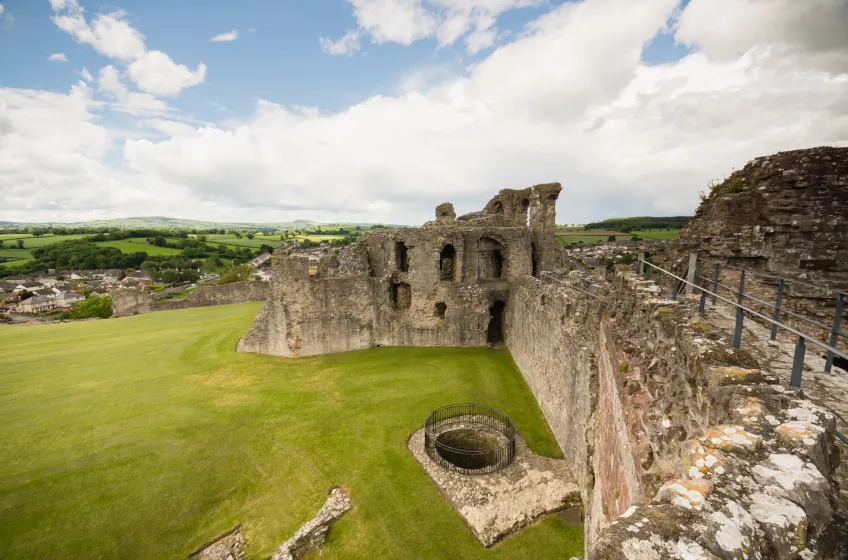
Built by Edward I as part of his campaign to subdue the Welsh, Denbigh Castle is an impressive medieval fortress with sprawling walls and panoramic views. The castle is notable for its vast triple-towered gatehouse, and the site offers insight into both the English conquest and later Welsh rebellions. The town of Denbigh itself is full of character, with a good mix of shops and eateries.
Loggerheads Country Park
Located near Mold, Loggerheads is a tranquil wooded valley following the River Alyn. It offers family-friendly walking trails, limestone cliffs, and old lead mining remains. The Devil’s Gorge is a striking feature of the park, and the area is excellent for picnicking and wildlife watching. The visitor centre provides local information and a café.
Mold and Theatr Clwyd
Mold is a traditional market town with a strong sense of community and a lively weekly street market. It’s also home to Theatr Clwyd, one of Wales’s leading arts venues, offering high-quality theatre, cinema, and art exhibitions. The town has a great food scene, including artisan bakeries, pubs, and independent restaurants. It’s a great base for exploring the surrounding countryside.
Flint Castle
Sitting on the banks of the Dee Estuary, Flint Castle was one of the first castles built by Edward I in Wales. Though in ruins, its unique design and strategic coastal location make it a fascinating place to visit. The isolated round tower and atmospheric setting have made it a popular spot for artists and photographers. From here, you can walk along the Wales Coast Path or enjoy views across the water to England.
St Asaph Cathedral
This is the smallest ancient cathedral in Britain, nestled in the tiny city of St Asaph. The building itself is beautiful, with a long history going back to the 13th century. Inside, you’ll find a peaceful interior and the famous William Morgan Bible—the first full translation of the Bible into Welsh. St Asaph also has riverside walks, gardens, and a relaxed, friendly feel.
Prestatyn and Rhyl Beaches
On Clwyd’s north coast, Prestatyn and Rhyl offer traditional seaside attractions with long sandy beaches, amusements, and family-friendly promenades. Prestatyn marks the northern end of the Offa’s Dyke Path, making it a good stop for walkers. While Rhyl has seen regeneration in recent years, including SC2 water park and the Rhyl Pavilion Theatre, Prestatyn is generally quieter and more laid-back.
Offa’s Dyke Path
This long-distance trail runs for 177 miles along the England-Wales border, with some of its most scenic sections in Clwyd. Walkers can follow the path through the Clwydian Hills, passing ancient hillforts, moorlands, and rural villages. Even short sections of the path provide glorious views and a sense of ancient continuity—it roughly follows the line of the 8th-century earthwork built by King Offa of Mercia.
Nantclwyd y Dre
Located in Ruthin, this is Wales’s oldest timbered townhouse, dating back to 1435. It's been sensitively restored and furnished to reflect different periods of history, from the medieval hall to a Victorian schoolroom. It's a small but fascinating site, perfect for anyone interested in domestic history and Welsh architecture.
Practical Advice for Visitors
Getting There
Clwyd is well-connected by road and rail. The A55 North Wales Expressway runs through the northern part of the region, making towns like Mold, St Asaph, and Rhyl easily accessible from Chester, Liverpool, and Manchester. Trains serve the coastal towns (Rhyl, Prestatyn, Flint), with links to London via Crewe. Llangollen and the Clwydian hills are best accessed by car. Liverpool and Manchester airports are both around an hour’s drive away.
Parking
Most towns and visitor attractions in Clwyd offer public car parks, with both short- and long-stay options. Market towns like Mold and Ruthin can get busy on market days, so it’s best to arrive early. Countryside sites like Moel Famau and Loggerheads have dedicated car parks, often with a small charge. Always check signage for restrictions.
Dining
You’ll find a great mix of dining options across Clwyd, from cosy pubs to modern Welsh bistros. The White Horse in Hendrerwydd and The Dinorben Arms in Bodfari are both renowned for quality local food. Mold has several good cafés and restaurants, including The Fat Boar and Lot 11. Don’t miss the opportunity to try local cheeses such as Pant Mawr or Perl Las, and look out for Welsh lamb and game in traditional menus. In Llangollen, The Corn Mill offers excellent riverside dining.
Shopping
Clwyd is dotted with independent shops, traditional markets, and craft centres. Mold Market is one of the largest and liveliest in north Wales, held on Wednesdays and Saturdays. Ruthin and Denbigh also host regular markets and have local delicatessens, antiques shops, and craft outlets. For unique gifts, head to Ruthin Craft Centre, or browse local galleries in Llangollen.
When to Visit
Spring and summer are the best times to visit, especially for walking and outdoor activities. The hills and countryside are lush and inviting from April through September. Autumn brings beautiful colours to the Clwydian Range, and winter can be cosy in the towns and villages, though some rural sites may be harder to access. Clwyd’s towns are open year-round, and the coast offers bracing walks and wildlife watching even in the off-season.
Local Events
Clwyd hosts a number of lively annual events, including:
-
Llangollen International Musical Eisteddfod (July) – A world-renowned celebration of music and dance.
-
Mold Food and Drink Festival (September) – Featuring street food, cookery demos, and local producers.
-
Ruthin Festival (June) – A celebration of arts, music, and community events.
-
Denbigh Plum Festival (September) – Celebrating a unique local fruit with food stalls, tastings, and orchard tours.
Exploring Beyond Clwyd
Clwyd is perfectly placed for exploring other parts of north Wales. Snowdonia National Park is under an hour’s drive from most of the region. The Isle of Anglesey and the Llyn Peninsula are accessible for day trips. Historic towns like Chester and Shrewsbury are close by, and Erddig Hall near Wrexham is a National Trust gem not to be missed.
Clwyd may not shout as loudly as some other Welsh regions, but it has a quiet confidence that’s just as captivating. With its sweeping hill views, historic towns, ancient ruins, and coastal charm, Clwyd is a place where stories linger in the landscape. Whether you're exploring castles, meandering through markets, or simply relaxing with a view of the Dee Valley, Clwyd invites you to slow down and discover its many layers.
Shortlist
- Your Shortlist is empty