
Discover Denbigh | A Visitor's Introduction to Denbigh
Recommended places to visit, places to stay and things to do in and around Denbigh
Denbigh is a historic market town in the heart of Denbighshire, North Wales, perched on a hilltop overlooking the scenic Vale of Clwyd. Known for its medieval castle, charming town centre, and strong ties to Welsh history, Denbigh (Dinbych in Welsh) offers visitors a compelling mix of heritage, architecture, and countryside charm. With atmospheric ruins, winding streets, and panoramic views, Denbigh is a fantastic destination for history buffs, walkers, and anyone wanting to explore one of Wales’s most culturally rich towns.
Whether you're tracing the town’s medieval defences, learning about its medical past, or enjoying the countryside that surrounds it, Denbigh delivers a uniquely Welsh experience that feels authentic, unhurried, and rewarding.
Recommended Denbigh Accommodation: Hotels Bed & Breakfasts
Why is Denbigh Worth a Visit?
Denbigh is worth visiting for its deep historical roots, fascinating architecture, and peaceful setting. It’s one of the few towns in Wales where you can still see medieval walls and a castle built as part of Edward I’s campaign to subdue Wales—yet Denbigh has always retained its own strong Welsh identity. The town played a key role in various chapters of Welsh history, including the Revolt of Owain Glyndŵr and the Wars of the Roses.
Today, Denbigh offers a quieter alternative to more crowded tourist towns, with stunning views over the Clwydian Range and a strong sense of place. The Welsh language is commonly spoken here, and the town is home to an array of local businesses, historical attractions, and cultural landmarks. Whether you're exploring ancient ruins, enjoying a scenic walk, or browsing local shops and cafés, Denbigh has something special to offer.
Denbigh Highlights: Things to See and Do in Denbigh
Denbigh Castle
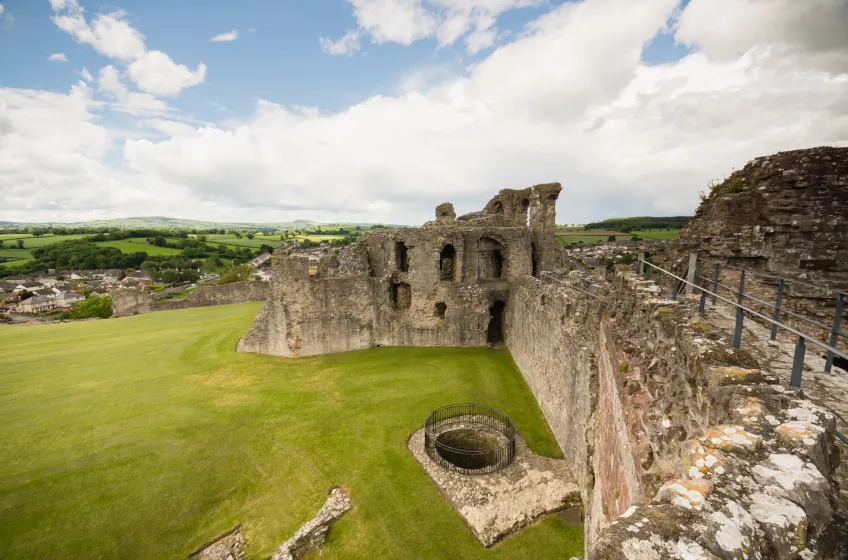
Denbigh Castle is the town’s crowning attraction. Built in the late 13th century by Edward I’s master architect, James of St George, the castle features a dramatic triple-towered gatehouse, a rare example of military architecture designed to intimidate. Although partially in ruins, much of the outer walls and towers remain, offering superb views across the Vale of Clwyd and the town below.
Managed by Cadw, the Welsh heritage organisation, the castle includes interpretive panels that bring its turbulent history to life, including its capture by Owain Glyndŵr in the 1400s. The site is atmospheric, photogenic, and a must-see for any visitor.
Denbigh Town Walls
Few towns in Wales retain as much of their original medieval walls as Denbigh. You can walk a section of the ancient ramparts, which were once part of a vast defensive system encircling the town. The walk connects the castle to various towers and gateways and provides a unique way to experience the town’s layout and history.
Leicester’s Church
Just outside the castle walls is St David’s Church, more commonly known as Leicester’s Church, an ambitious project begun by Robert Dudley, Earl of Leicester (and favourite of Queen Elizabeth I). The church was never completed due to political and financial troubles, but the roofless shell remains a hauntingly beautiful example of Elizabethan architecture. It’s free to visit and open to the public.
Denbigh Friary
The remains of Denbigh Friary offer another glimpse into the town’s religious past. Founded in the 13th century by Carmelite monks, the friary is tucked away on the edge of town and is a peaceful spot for a quiet wander. Though now largely a ruin, the site is atmospheric and offers insight into monastic life in medieval Wales.
Cae Dai 50s Museum
This quirky, offbeat museum is located just outside the town and dedicated to all things 1950s. From vintage cars and jukeboxes to film memorabilia and reconstructed shops, the Cae Dai 50s Museum is a nostalgic and entertaining visit. It’s set in a wooded valley with a peaceful rural backdrop, and the volunteer-run museum adds a personal touch that visitors love.
Denbigh Library and Town Hall
Located in the town centre, the Library and Town Hall complex is a lovely example of Victorian civic architecture and is often used for community events and exhibitions. The interior retains many period features and gives a sense of the town's 19th-century prosperity. It’s also a good place to pick up local information or see what events are happening during your visit.
The Former North Wales Hospital
Denbigh is home to one of Wales’s most intriguing abandoned buildings—the North Wales Hospital, a vast Victorian asylum that operated from 1848 to 1995. Though closed to the public and in a state of disrepair, the complex remains a significant landmark and is of interest to fans of architecture, social history, and urban exploration. There are ongoing discussions about its redevelopment, and guided tours may be available in the future—check locally for updates.
Local Walks and the Vale of Clwyd
Denbigh is surrounded by rolling countryside and gentle hills, making it perfect for walking. Several trails start from the town centre, including routes along the Clwydian Range, part of an Area of Outstanding Natural Beauty. The Vale of Clwyd offers lowland walking through meadows, pastures, and quiet lanes, with stunning views towards the Berwyn Mountains and Snowdonia.
The Denbigh Heritage Trail is a good starting point for urban walkers, taking in key historic buildings, plaques, and viewpoints around the town.
Practical Advice for Visitors
Getting There
Denbigh is well-connected by road, situated just off the A525 between Ruthin and St Asaph. It’s roughly a 25-minute drive from the A55 expressway, which links the North Wales coast with Chester and the M56.
Public transport includes regular bus services from Rhyl, Ruthin, and Mold, although there is no train station in the town. The nearest railway stations are in Rhyl and Prestatyn, with connecting buses available.
Parking
There are several car parks in and around the town centre, including Crown Square, Vale Street, and near Denbigh Castle. Most are pay-and-display but relatively inexpensive. On-street parking is available in some areas, though time limits apply.
Dining
Denbigh has a growing selection of eateries, from traditional pubs to cafés and bistros. Notable options include:
-
Glass Onion Café – A welcoming spot for breakfast, lunch, and homemade cakes, with vegetarian and vegan options.
-
The Guildhall Tavern – A historic pub and restaurant serving seasonal Welsh dishes and local ales.
-
Y Pantri – A popular café-deli serving light lunches and locally sourced ingredients.
-
Brookhouse Mill – Just outside town, this converted watermill offers a more upmarket dining experience with scenic views.
Pubs like The Plough and The Golden Lion offer classic pub fare in a friendly, local atmosphere.
Shopping
Denbigh’s high street has a variety of independent shops, including gift shops, bookshops, fashion boutiques, and antique dealers. A number of artisan businesses sell crafts, pottery, and Welsh goods. The town also has supermarkets, a butcher, a bakery, and a selection of charity shops.
A weekly market is held in the town centre on Wednesdays, offering everything from fresh produce to local crafts.
When to Visit
Spring and summer are the best times to visit Denbigh, when the countryside is at its most beautiful and walking trails are at their best. The long days are ideal for exploring the town’s historic attractions and nearby hill walks. Autumn brings a blaze of colour to the Vale of Clwyd, while winter is quieter but full of atmosphere, especially with seasonal events and Christmas markets.
The castle and some attractions are open year-round, although hours may be reduced in winter—always check ahead before visiting.
Local Events
Denbigh hosts a range of local events and festivals throughout the year, including:
-
Denbigh Show (August): A traditional agricultural show with livestock, food stalls, crafts, and family entertainment.
-
Denbigh Open Doors (September): A heritage event allowing access to historic buildings not usually open to the public.
-
Denbigh Plum Festival: Celebrating the town’s unique culinary heritage centred on the local Denbigh plum.
-
Christmas Lights and Market: A festive celebration with local produce, crafts, and entertainment.
Exploring Beyond Denbigh
Denbigh makes a great base for exploring nearby attractions in north-east Wales, such as:
-
Ruthin – A historic market town with a castle, Gaol museum, and thriving arts centre (15 minutes by car).
-
St Asaph – Home to the smallest ancient cathedral in Britain and lovely riverside walks (20 minutes).
-
Rhyl and the North Wales coast – For traditional seaside fun and sandy beaches (30 minutes).
-
Loggerheads Country Park – A scenic woodland valley near Mold with excellent walking trails (25 minutes).
-
Clwydian Range AONB – A hiker’s paradise of heather-clad hills, Iron Age forts, and sweeping views, just a short drive away.
Denbigh may not be on every tourist itinerary, but it’s a town rich in character, history, and quiet charm. With its impressive castle, medieval walls, cultural heritage, and access to glorious countryside, it offers a rewarding destination for travellers who enjoy exploring off the beaten track. Whether you're uncovering the story of Owain Glyndŵr, enjoying a scenic walk above the Vale of Clwyd, or relaxing with a Welsh cake in a local café, Denbigh delivers a warm and memorable Welsh welcome.
Shortlist
- Your Shortlist is empty