
Discover Flint | A Visitor's Introduction to Flint
Recommended places to visit, places to stay and things to do in and around Flint
Flint is a historic town on the north-east coast of Wales in the county of Flintshire, best known for its imposing medieval castle and waterfront views across the Dee Estuary. Just a short drive from the English border and the city of Chester, Flint (Y Fflint in Welsh) is a town that blends centuries of history with a strong sense of community and industrial heritage. While it may not be the biggest tourist destination in North Wales, Flint offers a fascinating slice of Welsh-English border history, quiet estuary walks, and an opportunity to explore one of the first castles built by Edward I during his conquest of Wales.
Its compact town centre, riverside location, and access to wider Flintshire make it a handy base for those interested in castles, coastal walks, and uncovering lesser-known corners of North Wales.
Recommended Flint Accommodation: Hotels Bed & Breakfasts
Why is Flint Worth a Visit?
Flint is worth visiting for its deep historical roots, quiet estuary charm, and excellent access to both Welsh and English borderlands. It’s home to Flint Castle, one of the earliest and most unique castles constructed by Edward I as part of his infamous “Iron Ring” to suppress Welsh independence. The town also boasts a revitalised waterfront with walking trails, green spaces, and views across the estuary to Wirral and beyond.
Beyond its military past, Flint has a proud industrial history, particularly in steel and shipping, and is undergoing community-led regeneration to celebrate its heritage while developing for the future. For those interested in Welsh history, architecture, or off-the-beaten-path travel, Flint offers a distinctive and authentic stop on a north Wales journey.
Flint Highlights: Things to See and Do in Flint
Flint Castle
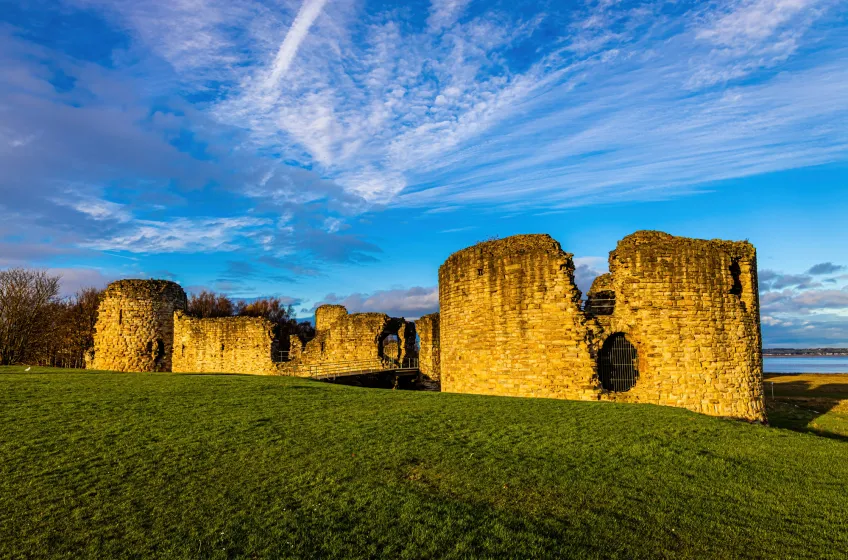
The star attraction in the town is Flint Castle, built in 1277 as part of Edward I’s campaign to control Wales. It was the first of his "Iron Ring" of castles and is notable for its unique layout, including an isolated round tower—one of the earliest examples of its kind in Britain. The castle played a role in several key moments in Welsh and British history, including Owain Glyndŵr’s rebellion and the imprisonment of Richard II.
Managed by Cadw, the Welsh heritage agency, the castle is free to enter and open year-round. While it’s a ruin, the remaining towers and walls are substantial, and the site offers sweeping views over the estuary. It’s a peaceful, dramatic place to explore and a must for anyone interested in medieval Wales.
Dee Estuary and Coastal Path
Flint’s location on the Dee Estuary means there are plenty of walking and cycling routes to enjoy. The Wales Coast Path runs through the town, offering a flat, accessible trail along the estuary with views over the marshes and salt flats that are rich in birdlife.
Popular short walks include the stretch from Flint Castle to Bagillt, passing estuary viewpoints and old industrial sites, or the section heading east towards Connah’s Quay, linking up with the Flintshire Bridge and beyond. Bring binoculars—this is a prime area for spotting wading birds and estuary wildlife.
St Mary’s Church
St Mary’s Parish Church, located just behind the castle, dates back to the 12th century and features architectural additions from various periods. It’s one of the oldest buildings in the town and still in use today. The churchyard is peaceful, and the church itself occasionally hosts community events and concerts.
The Town Market and High Street
Flint holds a traditional open-air market every Tuesday and Saturday on the High Street and Church Street, where you can browse stalls selling local produce, clothes, tools, gifts, and more. It’s a vibrant part of local life and a good opportunity to mingle with residents and support small businesses.
The High Street also features a mix of independent shops, cafés, and national chains. It’s a handy place to grab a bite to eat or pick up supplies before heading off on a walk.
Wepre Park (nearby)
Just outside Flint in nearby Connah’s Quay, Wepre Park is a 160-acre green space with woodland walks, streams, a waterfall, and the remains of Ewloe Castle, another fascinating medieval site hidden in the forest. It’s a great destination for families, dog walkers, and anyone wanting a break from town. There’s also a café, visitor centre, and playground.
Flint Foreshore and Lifeboat Station
The Flint Foreshore area has undergone improvements in recent years, with public art, seating areas, and new interpretation boards explaining the town’s history and environment. The RNLI Flint Lifeboat Station is a reminder of the town’s relationship with the estuary and sea. It's a working station with a volunteer crew, and while not always open to the public, it’s an interesting stop on a walk.
Leisure Centre and Community Events
Flint has a modern leisure centre with swimming pool, gym, and sports facilities, useful for visitors staying in the area longer or looking for indoor activities. The town also hosts regular community events, such as festivals, charity fun days, and musical performances—especially in summer and around Christmas.
Practical Advice for Visitors
Getting There
Flint is easily accessible by road and rail:
-
By car: Located just off the A55 Expressway, Flint is about 15 minutes from Chester and 45 minutes from Llandudno or Wrexham.
-
By train: Flint railway station is on the North Wales Coast Line, with regular services from Chester, Holyhead, Bangor, and Manchester.
-
By bus: Several local bus services connect Flint with towns such as Mold, Holywell, and Connah’s Quay.
Its transport links make it an easy day-trip destination from the North West of England or other parts of North Wales.
Parking
Free and pay-and-display car parks are available around the town centre and near Flint Castle. Parking is usually straightforward and convenient for exploring the town on foot.
Dining
Flint has a small but growing selection of cafés, pubs, and takeaways. Options include:
-
The Mill Tavern – A cosy pub serving traditional pub food and ales.
-
Flint Tandoori – A longstanding and popular Indian restaurant.
-
Caffi’r Hen Siop – A friendly local café offering breakfasts, cakes, and light lunches.
-
McLeans Café – An old-school café with hearty meals and good prices.
For a broader choice, nearby Mold and Connah’s Quay offer additional restaurants and bistros.
Shopping
The High Street has a mix of convenience stores, small independent shops, and national retailers. You’ll find banks, pharmacies, a post office, and places to stock up on snacks or gifts. For local produce and quirky finds, the Tuesday and Saturday markets are your best bet.
When to Visit
Flint is a year-round destination. Spring and summer are ideal for coastal walks and enjoying the views across the estuary. The castle and estuary paths are particularly attractive in warm weather, though they remain peaceful and atmospheric throughout the year.
Winter brings dramatic skies and fewer crowds, with the castle taking on an eerie, windswept beauty. Autumn is a lovely time to walk the estuary paths, with migrating birds arriving in large numbers.
Local Events
Flint has a growing calendar of local events, including:
-
Flint Festival – A community celebration with live music, local food stalls, funfair rides, and entertainment.
-
Christmas Lights and Market – Held in late November or early December, with festive food, crafts, and performances.
-
RNLI Open Days – Flint Lifeboat Station occasionally hosts open events for families and visitors to learn about its work.
Check local websites and noticeboards for updates during your visit.
Exploring Beyond Flint
Flint is well-placed for exploring the surrounding area. Nearby destinations include:
-
Mold – A lively market town with great shops, cafés, and the acclaimed Theatr Clwyd (20 minutes by car).
-
Chester – A beautiful Roman city with walls, cathedral, shops, and riverside walks (25 minutes by car or train).
-
Greenfield Valley Heritage Park – A family-friendly attraction with historic buildings, play areas, and lovely walks (10 minutes away).
-
Talacre Beach – A wide sandy beach with dunes and a photogenic lighthouse (25 minutes away).
-
Loggerheads Country Park – In the Clwydian Range AONB, perfect for walking and picnics (30 minutes away).
Flint is a town of quiet strength and deep history. From the mighty walls of its medieval castle to the shimmering waters of the Dee Estuary, it offers a chance to step back in time and enjoy a slower pace of travel. Whether you're walking the Wales Coast Path, learning about Welsh-English conflict, or simply soaking up the views, Flint offers a memorable and meaningful stop on your journey through North Wales.
Shortlist
- Your Shortlist is empty