
Discover Aude | A Visitor's Introduction to Aude
Recommended places to visit, places to stay and things to do in Aude
Aude is a diverse and historically rich department in the Languedoc-Roussillon region of the South of France, stretching from the Mediterranean coast to the foothills of the Pyrenees. Known for its medieval castles, dramatic Cathar history, and scenic vineyards, Aude offers visitors a deep dive into the heart of the Languedoc. It’s a dream destination for history lovers, wine aficionados, and outdoor explorers. With its sun-drenched climate, striking landscapes, and relaxed pace of life, Aude blends cultural intrigue with rural tranquillity.
Recommended Aude Accommodation: Hotels Bed & Breakfasts
Why is Aude Worth a Visit?
Aude is worth visiting for its unique combination of natural beauty, historical significance, and authentic French country life. The department is named after the river Aude, which winds through its varied terrain—from sandy beaches and lagoons on the Mediterranean coast to wild gorges, forests, and hills inland.
Aude was at the heart of the Cathar movement in the Middle Ages, and its dramatic fortresses and ruined castles are among the most evocative in France. Towns like Carcassonne and Narbonne are steeped in history, while sleepy villages and vineyards offer a glimpse into everyday life in the Languedoc.
Beyond the iconic sights, Aude offers a more relaxed, less touristy alternative to Provence or the Riviera, with plenty of open space, rustic charm, and a strong sense of identity. Whether you're sampling wine in Corbières, climbing through castle ruins, or paddling in a turquoise river gorge, Aude leaves a lasting impression.
Aude Highlights: Things to See and Do in Aude
Carcassonne
The crown jewel of Aude, Carcassonne is one of Europe’s most stunning medieval cities. Its UNESCO-listed Cité de Carcassonne is a double-walled fortress with 52 towers, winding alleys, and spectacular views. Inside the walls, you’ll find shops, cafés, the Basilique Saint-Nazaire, and medieval spectacles in summer. Come early or late in the day to beat the crowds, especially in July and August.
The Cathar Castles
Aude is home to several of the legendary Cathar castles—isolated, cliff-perched fortresses used by the Cathars during the 12th and 13th centuries. Notable examples include:
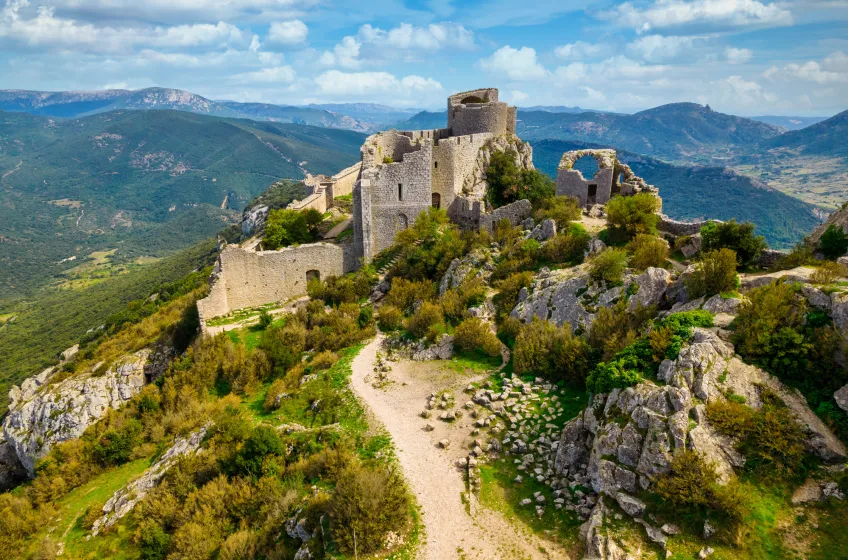
Château de Peyrepertuse – Vast and perched at 800 metres altitude, this ruined castle offers incredible views and a real sense of awe. It’s often compared to a "stone ship" on the cliffs.
Château de Quéribus – The last Cathar stronghold to fall in 1255, this wind-battered citadel is dramatic and windswept, with views stretching into Spain.
Château d’Arques – More intact and accessible, this charming site gives a quieter look into the region’s medieval past.
Most castles require a bit of uphill walking, so bring good shoes and water.
Narbonne
Once a Roman capital, Narbonne is an elegant city with a relaxed vibe. Don’t miss the Canal de la Robine, the indoor market at Les Halles de Narbonne, and the awe-inspiring Cathédrale Saint-Just et Saint-Pasteur. The Horreum Romain, an underground Roman warehouse, adds a touch of ancient intrigue.
Narbonne is also just 15 km from the Mediterranean, making it a good base for both city and beach lovers.
Canal du Midi
This peaceful, tree-lined canal winds its way through Aude and is perfect for walking, cycling, or leisurely boat trips. One of France’s great engineering achievements, it connects Toulouse to the Mediterranean and is also a UNESCO World Heritage Site. The stretch near Homps, Trèbes, and Marseillette is particularly scenic.
Limoux and the Blanquette Wine Region
Limoux is a small riverside town with a big claim to fame—it’s the home of Blanquette de Limoux, said to be the world’s oldest sparkling wine. Visit local caves for tastings and take a walk around the pretty old town square.
Limoux is also home to the Carnaval de Limoux, one of the longest-running carnivals in Europe, stretching from January to March with weekly parades and masked dances.
Lagrasse
Officially listed as one of “Les Plus Beaux Villages de France,” Lagrasse is a beautifully preserved medieval village in the Corbières. Its stone bridge, narrow streets, and abbey make it a great stop for a relaxing afternoon. The Abbaye Sainte-Marie de Lagrasse, partly still in use by monks, is open to visitors and set against a stunning rural backdrop.
Fontfroide Abbey
This serene former Cistercian monastery near Narbonne is surrounded by vineyards and wooded hills. The abbey features beautiful cloisters, gardens, and a peaceful atmosphere that makes it ideal for a reflective visit. Guided tours are available, and cultural events are sometimes held here during the summer.
Rennes-le-Château
Famous for conspiracy theories and Da Vinci Code-style mystery, Rennes-le-Château is a tiny hilltop village with a strange and fascinating backstory. The local priest, Bérenger Saunière, mysteriously acquired great wealth in the 19th century, and the area has been awash with treasure-hunters and secret societies ever since. The view from the Tour Magdala is spectacular, and there’s a museum dedicated to the priest’s life.
Bugarach and the Pic de Bugarach
This distinctive mountain has long inspired myths and legends, from UFOs to doomsday cults. At 1,230 metres, Pic de Bugarach is the highest peak in the Corbières and offers a challenging but rewarding hike. The nearby village of Bugarach is sleepy and scenic, a good base for outdoor adventures.
Gruissan and the Coast
On the coast near Narbonne, Gruissan is a circular fishing village turned seaside resort. Its old centre, built in a spiral around a ruined tower, is full of character. Head to Gruissan Plage for beach time, or visit the Salin de l’Île Saint-Martin to see the local salt pans and enjoy fresh seafood at the on-site restaurant.
Nearby Leucate and Port-la-Nouvelle also offer beach options, along with kitesurfing and windsurfing for the more active visitor.
Gorges de Galamus
This dramatic limestone gorge is located on the border between Aude and Pyrénées-Orientales. The narrow road through the gorge clings to the rock face and is not for the faint-hearted, but the scenery is jaw-dropping. Stop to explore the Hermitage of Saint-Antoine, carved into the rock, or try canyoning in the river below.
Practical Advice for Visitors
Getting There
Aude is served by several nearby airports. Carcassonne Airport is the most central, with budget flights from the UK and other European destinations. Toulouse and Perpignan airports are also within easy reach, depending on where in Aude you're staying.
By train, Narbonne and Carcassonne have good connections via the SNCF network, including high-speed TGV services.
Driving is the best way to explore Aude fully, as many villages, castles, and natural sites are in remote or rural areas. The A61 motorway (Toulouse–Narbonne) provides the main east-west route through the department.
Parking
Most towns and villages have free or low-cost parking, especially outside the historic centres. In Carcassonne, park outside the medieval citadel and walk up. In summer, popular tourist spots like the Cathar castles and beach resorts can get busy, so arrive early or visit later in the day.
Dining
Aude’s cuisine is hearty, local, and wine-friendly. Look out for cassoulet (a rich stew of duck, pork, and white beans), charcuterie, oysters from Gruissan, and local goat cheeses. The region also boasts strong Catalan influences in the south.
Great dining spots include:
-
La Table d'Alais in Carcassonne for creative French cuisine
-
En Bonne Compagnie in Homps for canal-side dining
-
La Petite Table in Lagrasse for seasonal dishes with a view
For wine tasting, visit Domaine de Baronarques near Limoux or the cooperative Les Celliers d’Orfée in the Corbières.
Shopping
Markets are held regularly throughout Aude and are the best places to buy fresh produce, local cheese, olives, herbs, and crafts. Narbonne has a particularly impressive indoor market. In Lagrasse and Montolieu (the "book village"), you’ll find artisans, bookshops, and handmade goods.
When to Visit
Spring (April–June) and autumn (September–October) are ideal times to visit Aude, with pleasant temperatures, blooming landscapes, and fewer crowds. Summer is hot and lively, especially along the coast, though some inland sites remain surprisingly peaceful.
Winters are quiet but can be mild, especially near the coast, making it a great time for those seeking solitude and lower prices.
Local Events
-
Carcassonne Festival (July): A major cultural festival featuring theatre, music, and fireworks inside the medieval city.
-
Limoux Carnival (Jan–Mar): A quirky and traditional carnival with masked processions and street performances.
-
Narbonne Wine Fair (August): Celebrates local vineyards with tastings, music, and food.
-
Medieval Fairs in Lastours and Quillan often include re-enactments and markets.
Exploring Beyond Aude
Nearby departments offer even more to discover. Pyrénées-Orientales is just to the south, with Catalan culture, mountains, and beaches. Haute-Garonne and Ariège to the west offer deeper Pyrenean adventures.
If you fancy a big city experience, Toulouse is just over an hour away from Carcassonne and makes a lively day trip with its museums, canals, and excellent dining scene.
From ancient castles and medieval cities to sun-kissed vineyards and rugged gorges, Aude is a wonderfully varied destination that flies under the radar of many tourists. Whether you’re in search of history, wine, nature, or seaside charm, this corner of Occitanie has something to enchant every type of traveller.
Shortlist
- Your Shortlist is empty