
Discover Carcassonne | A Visitor's Introduction to Carcassonne
Carcassonne is a captivating medieval city in the Occitanie region of southern France, most famous for its perfectly preserved fortified citadel. Perched above the River Aude and surrounded by picturesque countryside and vineyards, this UNESCO World Heritage Site feels like something straight out of a fairytale. Known for its dramatic castle walls, cobbled streets, and vibrant cultural scene, Carcassonne is a dream destination for history lovers, families, and romantics alike. With both ancient grandeur and modern comforts, this city offers an unforgettable glimpse into the medieval heart of France.
Recommended Carcassonne Accommodation: Hotels Bed & Breakfasts
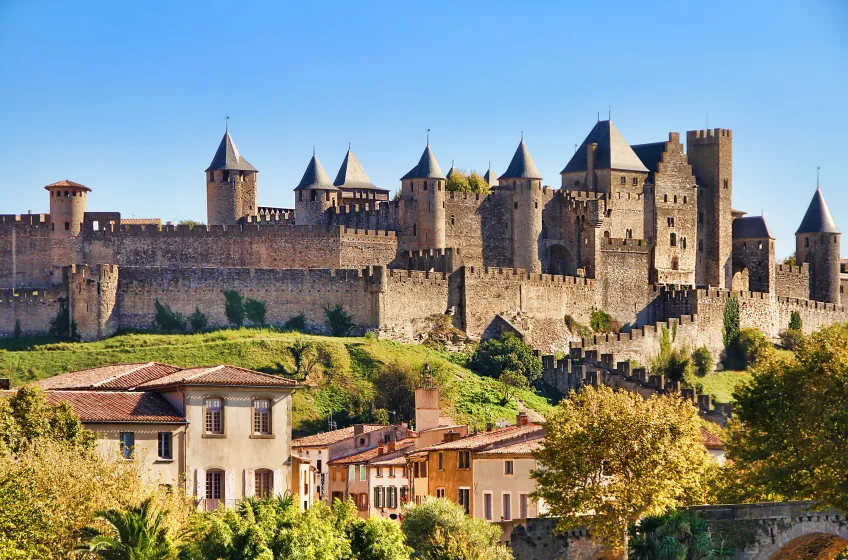
Why is Carcassonne Worth a Visit?
Carcassonne is worth visiting for its sheer visual impact and unique historical importance. The Cité de Carcassonne, a massive medieval fortress complete with ramparts, towers, and a moat (though now dry), is one of the most extraordinary architectural sites in Europe. Walking through its gates is like stepping back into the Middle Ages.
But Carcassonne offers more than just its iconic citadel. The lower town (la Bastide Saint-Louis), vibrant markets, riverside promenades, and excellent wine and cuisine make it a well-rounded destination. You can explore centuries-old cathedrals one moment, enjoy fine Languedoc wines the next, and end your day watching the sun set behind a thousand-year-old wall. Whether you're planning a short stop or a longer stay, Carcassonne delivers a rich, atmospheric experience with a strong sense of place.
Carcassonne Highlights: Things to See and Do in Carcassonne
La Cité de Carcassonne
The city’s star attraction is the Cité Médiévale, a spectacular double-walled fortress with 52 towers. Restored in the 19th century by architect Viollet-le-Duc, it’s one of the best-preserved examples of medieval military architecture in Europe. Entry to the walled city is free, allowing you to roam the narrow lanes, admire the ramparts, and enjoy panoramic views over the Aude valley. For a deeper dive, guided tours and audio guides are available at the main visitor centre.
Arrive early or late in the day to avoid the crowds, especially in high season, and try to spend at least a few hours wandering the streets, popping into boutiques, and soaking up the historic atmosphere.
Château Comtal and Ramparts
Within the Cité, the Château Comtal (Count’s Castle) is the heart of the fortress. You’ll need a ticket to enter, but it’s well worth it. Here you’ll find a museum, archaeological displays, and access to the upper ramparts, where you can walk along the walls with sweeping views over the countryside and across to the Pyrenees on clear days. It’s a highlight for photographers and history buffs.
Basilique Saint-Nazaire
Located within the fortified city, this basilica is a blend of Romanesque and Gothic styles, with beautiful stained-glass windows that date back to the 13th century. Its peaceful interior offers a break from the busier parts of the Cité, and if you’re lucky, you might catch an impromptu choral performance that makes the ancient stone walls ring with sound.
La Bastide Saint-Louis
Often overlooked, the lower town of Carcassonne—known as La Bastide Saint-Louis—lies just across the Aude River. It has a completely different feel: open squares, 18th-century townhouses, and a more lived-in atmosphere. Place Carnot, the central square, hosts markets and outdoor cafés and is a great place to relax. Don't miss the Église Saint-Vincent, a tall Gothic church with a climbable bell tower offering city views.
Pont Vieux (Old Bridge)
Linking the Cité with the Bastide, this stone bridge from the 14th century is a scenic pedestrian route over the River Aude. It offers fantastic views of the medieval city and is especially picturesque at sunset. There’s also a modern footbridge nearby, but the Pont Vieux oozes charm and is the best way to approach the citadel on foot.
Musée de l’Inquisition
A quirky and slightly macabre museum within the Cité, this spot delves into the darker side of medieval justice. It features displays on torture devices and the history of the Inquisition in the Languedoc. It’s not for the faint of heart, but it’s an unusual and memorable experience for those intrigued by medieval law and order.
Canal du Midi
Running through the lower part of the city, the Canal du Midi is a tranquil contrast to the bustle of the old town. This UNESCO-listed waterway offers opportunities for boat rides, cycling, and canal-side picnics. You can take a relaxing cruise or hire a bike to follow the towpath. The tree-lined banks are especially pretty in spring and autumn.
Carcassonne Festival (Festival de Carcassonne)
Each summer, the city hosts one of France’s major arts festivals, with concerts, theatre, dance, and opera taking place in the atmospheric surroundings of the Cité. International stars perform here, and the setting couldn’t be more magical. Booking ahead is essential for big-name acts.
Bastille Day Fireworks
Every 14 July, Carcassonne puts on one of the most spectacular fireworks displays in France. The Cité is dramatically illuminated as thousands gather to watch from the Pont Vieux, the riverside, or nearby hills. If you're planning a summer visit, it’s worth timing it around this event.
Local Markets and Gastronomy
Carcassonne hosts regular markets, particularly on Tuesday, Thursday, and Saturday mornings in Place Carnot. You’ll find local produce, cheeses, charcuterie, honey, and wine. It’s also a great spot for people-watching and grabbing a morning coffee.
Don’t leave without trying cassoulet, a hearty local dish of white beans, duck confit, and sausage, often baked in a traditional terracotta dish. It’s a Languedoc staple and best enjoyed with a glass of red wine from the Minervois or Corbières regions.
Practical Advice for Visitors
Getting There
By Air: Carcassonne has a small international airport (Carcassonne Salvaza) just 10 minutes from the city, with budget flights from across Europe. Toulouse and Béziers airports offer alternative options within 90 minutes’ drive.
By Train: Carcassonne’s train station is in the lower town and served by SNCF regional trains and some intercity routes. It’s around 1 hour from Toulouse by train and about 45 minutes from Narbonne.
By Car: The A61 motorway (autoroute des Deux Mers) connects Carcassonne with Toulouse and Narbonne, making it easily accessible by car. Having a vehicle is useful if you want to explore surrounding countryside and castles.
Parking
Free parking is available further from the centre, but if you're staying near the Cité, look for P1 – Parking Cité Médiévale, which has a shuttle bus to the fortress. In the lower town, Parking Gambetta and Parking André Chénier are centrally located and convenient for walking.
In peak season, parking fills quickly near the citadel—arrive early if you want the easiest access.
Dining
For cassoulet, try Le Jardin de l’Evêque or La Barbacane, the latter being a Michelin-starred restaurant inside Hôtel de la Cité with stunning views and fine dining.
For a more casual bite, Comte Roger and Adélaïde in the Cité both offer quality regional fare with beautiful terraces. Down in the Bastide, Le Bistrot d’Alice is popular for its seasonal French cooking and friendly vibe.
Shopping
Within the Cité, you’ll find artisan shops selling everything from hand-blown glass and pottery to medieval-themed souvenirs. For local food products, look for foie gras, olive tapenade, and Languedoc wines in specialty shops or at the covered market in Place Carnot.
When to Visit
Carcassonne is best visited between April and October, when the weather is warm and the city comes alive with events and outdoor dining. July and August are the busiest months—great for atmosphere and festivals, but expect crowds.
Spring and early autumn offer a more relaxed pace and pleasant temperatures. Winters are quieter, with fewer tourists and moody charm in the medieval streets, though some attractions have shorter opening hours.
Local Events
-
Festival de Carcassonne (July): Top-tier cultural festival with events across music, theatre, and opera.
-
Bastille Day Fireworks (14 July): Massive display set against the Cité, drawing visitors from all over France.
-
Christmas Market (December): The lower town transforms with festive stalls, mulled wine, and an ice rink.
-
Cassoulet Festival (August, nearby Castelnaudary): Celebrates the region’s signature dish, just a short drive from Carcassonne.
Exploring Beyond Carcassonne
If you have time, consider exploring the wider Aude region. Nearby highlights include:
-
Château de Lastours: A cluster of four ruined Cathar castles atop a rocky ridge, about 25 minutes’ drive north.
-
Limoux: Known for Blanquette de Limoux, a sparkling wine said to pre-date Champagne.
-
Minerve and Lagrasse: Beautiful villages with historic charm, perfect for a half-day trip.
-
Narbonne: With Roman ruins, a Gothic cathedral, and a lively canal scene, it makes for a great day trip just 45 minutes east.
With its fairy-tale fortress, charming old town, and deeply rooted culture, Carcassonne is more than just a postcard-perfect stop—it’s a full-bodied destination full of flavour, history, and atmosphere. Whether you're wandering ancient ramparts or sipping wine by the canal, Carcassonne invites you to slow down and step back in time.
Shortlist
- Your Shortlist is empty