
Discover Somme | A Visitor's Introduction to Somme
Somme is a peaceful yet powerfully evocative department in the Picardy region of Northern France. Known internationally for its role in one of the most devastating battles of World War I, the Somme combines its poignant wartime legacy with scenic landscapes, charming towns, and a remarkable stretch of unspoilt coastline. Whether you're wandering among fields once ravaged by war or birdwatching on the Baie de Somme, this diverse destination offers reflection, natural beauty, and cultural richness in equal measure.
Recommended Somme Accommodation: All Hotels 4&5 Star Luxury Hotels Chateau Hotels Budget Hotels Family-Friendly Hotels Spa & Wellness Hotels Beach & Seafront Hotels Boutique Hotels Bed & Breakfasts Auberges

Why is Somme Worth a Visit?
Somme is worth visiting for its unique blend of historical significance and tranquil rural charm. The Battle of the Somme in 1916 left an indelible mark on world history, and today the region is home to some of the most important remembrance sites in Europe. Yet Somme is more than a battlefield. It’s a place of quiet beauty, from the marshes and meadows of the Bay of the Somme to the gothic splendour of Amiens Cathedral.
For visitors seeking both reflection and relaxation, Somme delivers. Its towns are welcoming and manageable in size, with museums, local markets, and classic French bistros. Nature lovers will appreciate the diverse birdlife, especially in the Baie de Somme, considered one of France's most beautiful bays. The department also offers opportunities for walking, cycling, kayaking, and even seal spotting. With its wide appeal, Somme is ideal for history enthusiasts, families, couples, and solo travellers alike.
Somme Highlights: Things to See and Do in Somme
Amiens Cathedral
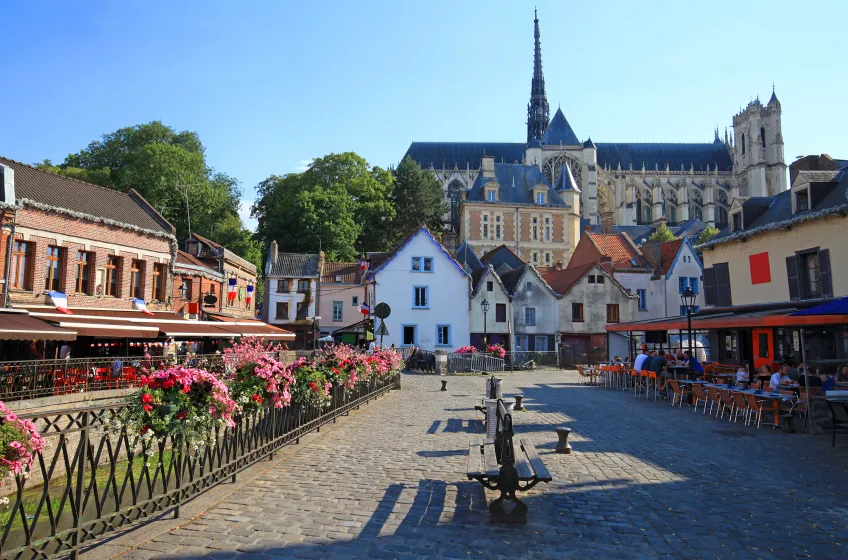
Amiens, the department’s capital, is home to France’s largest cathedral. The Cathédrale Notre-Dame d’Amiens is a UNESCO World Heritage Site, renowned for its sheer size and architectural intricacy. The façade is decorated with hundreds of carved figures, and in summer, a light show known as Chroma projects vibrant colours onto the sculptures, reimagining how it would have appeared in medieval times. Climb the towers for a stunning view over the city.
The Somme Battlefields and Memorials
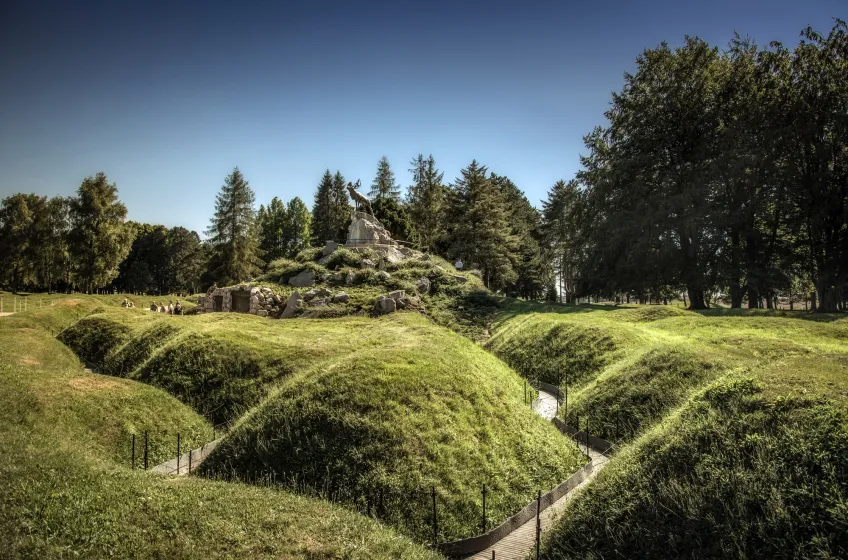
No visit to the Somme is complete without visiting the Somme Battlefields and paying tribute at its many WWI memorials and cemeteries. The Thiepval Memorial to the Missing is one of the most moving, commemorating over 72,000 soldiers with no known grave. Nearby, the Beaumont-Hamel Newfoundland Memorial Park preserves a section of the battlefield, complete with trenches and cratered ground, offering a visceral sense of the terrain soldiers faced.
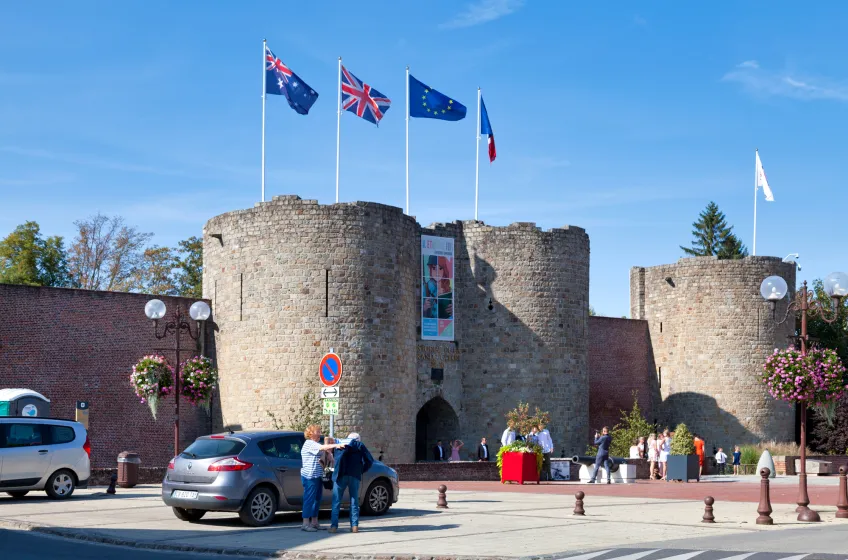
The Historial de la Grande Guerre in Péronne provides a comprehensive museum experience, offering insights into the lives of soldiers and civilians during the Great War.
Baie de Somme (Bay of the Somme)
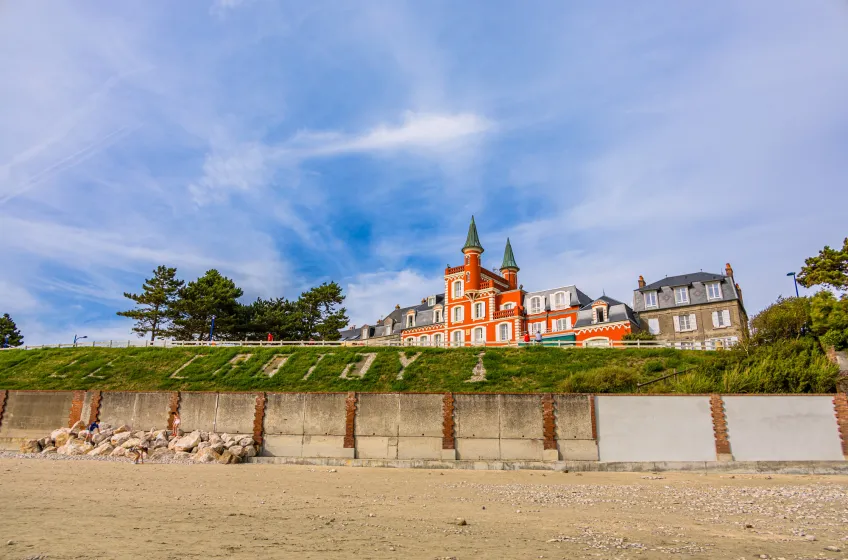
The Baie de Somme is one of France’s most stunning natural environments, a vast estuary of sandbanks, marshes, and salt meadows. It’s a haven for migratory birds and home to France’s largest colony of seals. Towns like Saint-Valery-sur-Somme and Le Crotoy offer charming bases for exploring the bay, with seafood restaurants, art galleries, and panoramic coastal paths. You can take boat trips, go seal watching, or hire bikes to explore the trails.
Saint-Valery-sur-Somme
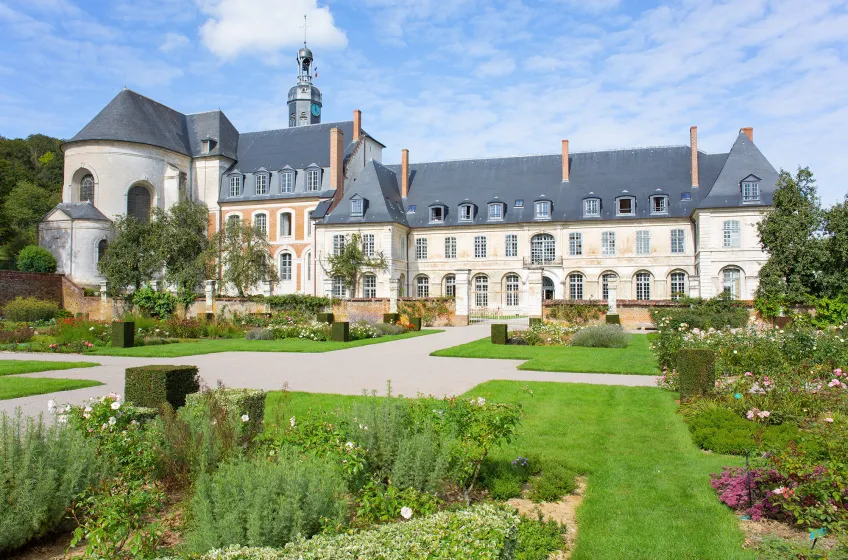
The picturesque medieval town of St-Valery-sur-Somme, perched on the bay’s edge, is filled with cobbled lanes, timber-framed houses, and old ramparts. Joan of Arc was held here before being taken to Rouen, and the town has a quiet, timeless beauty. The marina is lively with cafés and boats, and the herb garden near the chapel offers breathtaking views of the estuary.
Steam Railway of the Baie de Somme
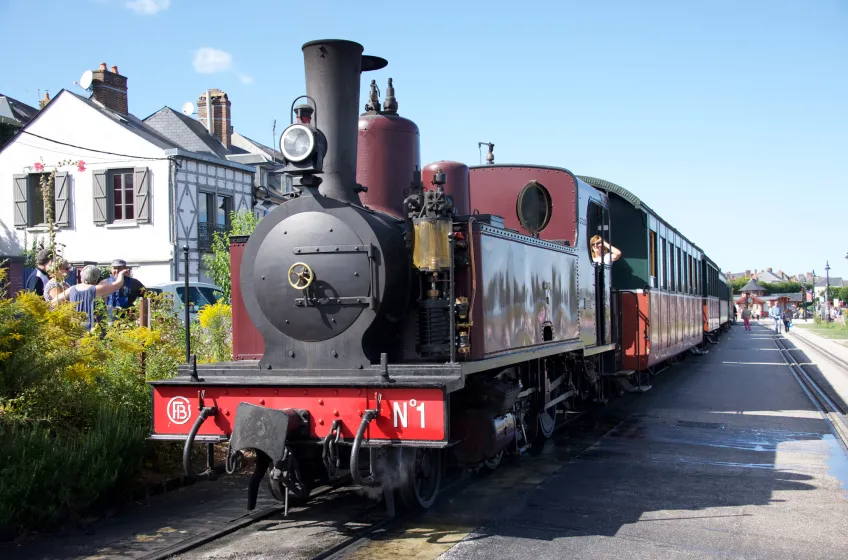
The Chemin de Fer de la Baie de Somme is a nostalgic delight—a vintage steam train that puffs around the bay between Le Crotoy and Cayeux-sur-Mer. Riding the train is a scenic and fun way to appreciate the unique landscape, especially appealing for families and railway enthusiasts.
Parc du Marquenterre
Located within the Baie de Somme, this bird sanctuary is one of the best places in France for birdwatching. The Parc du Marquenterre has over 200 species of birds, with well-maintained trails and observation hides. Expert guides are on hand, and the peaceful environment is perfect for a relaxed day surrounded by nature.
Maison de Jules Verne
In Amiens, visit the former home of novelist Jules Verne, where he wrote many of his iconic adventure tales. The house is now a museum filled with personal items, manuscripts, and quirky displays that bring his imaginative world to life. It’s a must-see for literature lovers.
Cayeux-sur-Mer
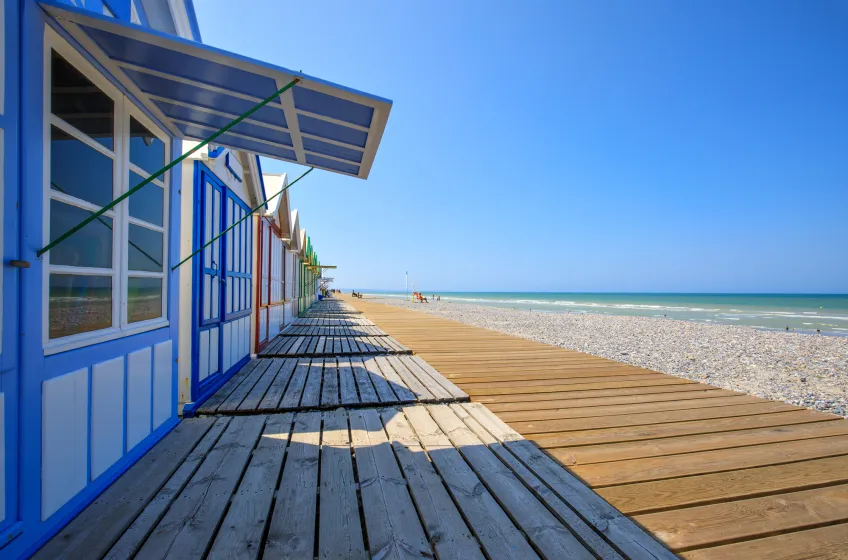
With its long pebble beach lined by over 400 colourful beach huts, Cayeux-sur-Mer is a classic seaside spot. It’s less commercial than other resorts, ideal for peaceful walks and sea breezes. The wooden boardwalk stretches for over 2 km, one of the longest in Europe, making for a lovely coastal stroll.
The Circuit of Remembrance
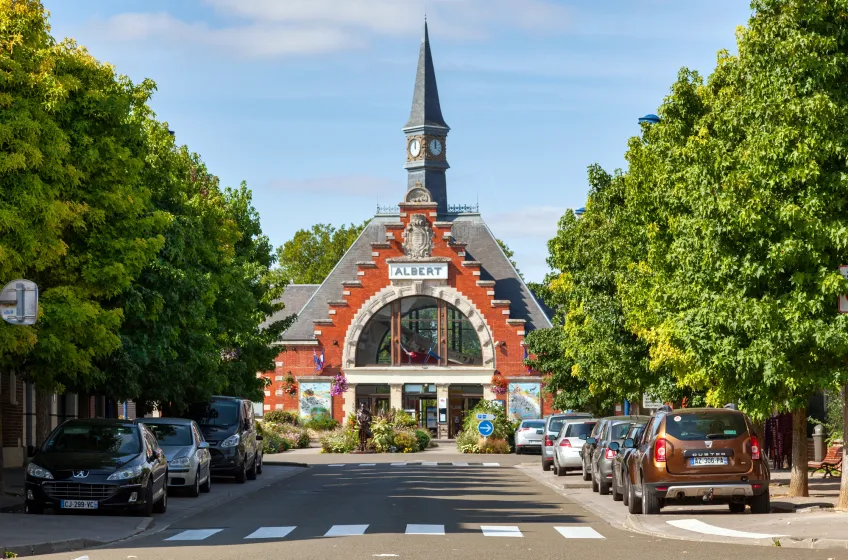
This signposted route connects the key WWI sites between Albert and Péronne. Highlights include the Somme 1916 Museum in Albert, which is set in an underground air raid shelter, and numerous cemeteries and monuments. Driving or cycling this circuit offers a powerful, contemplative journey through history.
Abbeville and the Church of Saint Vulfran
Abbeville, though heavily damaged in World War II, still retains notable landmarks. The Gothic church of Saint Vulfran is a standout with its dramatic façade and soaring spires. The town is also close to natural reserves and the mouth of the River Somme.
Practical Advice for Visitors
Getting There
Somme is easily accessible from Paris and other northern cities. Amiens is just over an hour by train from Paris Gare du Nord, making it a great day trip or weekend destination. If you're visiting the battlefields or the coast, having a car is highly recommended, as many rural sites are not well served by public transport.
For international travellers, Paris Charles de Gaulle and Beauvais airports are the closest, and both offer car hire options.
Parking
Parking is generally easy and affordable across the Somme. Towns like Amiens and Saint-Valery-sur-Somme have public car parks near main attractions. Street parking is often metered in larger towns but usually free in rural areas. For the Baie de Somme and nature parks, designated parking areas are available, though they can fill up quickly in summer—arrive early if possible.
Dining
Local cuisine in the Somme is hearty and rustic, with a focus on freshwater fish, game, and local produce. Try ficelle picarde (a savoury crêpe filled with ham and mushrooms), agneau de pré-salé (salt-meadow lamb), and dishes made with salicornes (samphire from the bay). Seafood lovers will enjoy fresh mussels, scallops, and oysters near the coast.
For a memorable meal, visit Le Bouchon in Amiens for creative takes on regional classics, or Le Mathurin in Saint-Valery-sur-Somme for refined seafood dishes. Market days in towns offer a great chance to sample local cheeses, breads, and cider.
Shopping
Markets are held weekly in towns such as Amiens (Saturdays), Abbeville (Thursdays and Saturdays), and Saint-Valery-sur-Somme (Sundays). These are great for local produce, crafts, and regional treats. For souvenirs, consider artisanal soap, glassware from local studios, or culinary delights like gâteau battu—a rich, buttery cake.
When to Visit
The best time to visit Somme is from late spring to early autumn. May and June offer mild weather and blooming countryside, while July and August are warmer and ideal for coastal visits. September brings a quieter atmosphere and golden fields. Autumn is also a good time for bird migration in the bay.
Winter is low season, with some attractions on reduced hours, but the area’s sombre war history can feel especially poignant under grey skies. Christmas markets in Amiens provide festive cheer.
Local Events
One of the highlights of the year is the Amiens Christmas Market, one of the largest in northern France. It runs from late November through December and features festive stalls, rides, and a skating rink.
In spring, the Bird and Nature Festival in the Baie de Somme (usually in April) is a major draw for wildlife enthusiasts. During summer, various WWI commemorations and open-air concerts take place across the region, especially around July 1st—the anniversary of the Battle of the Somme.
Exploring Beyond Somme
The neighbouring departments of Aisne and Pas-de-Calais also offer historical sites and natural beauty. To the north, the Opal Coast has dramatic cliffs and sandy beaches. To the south, the Oise Valley and Compiègne Forest offer lush scenery and imperial history.
Shortlist
- Your Shortlist is empty