
Discover Santander | A Visitor's Introduction to Santander
Recommended places to stay, places to visit and things to do in and near Santander
Santander is an elegant coastal city in northern Spain, set around a broad natural bay on the Cantabrian Sea. Known for sandy beaches, the Magdalena Peninsula, refined early 20th-century architecture and a strong maritime character, this compact city is a perfect destination for beach lovers, foodies and travellers exploring Spain’s greener north coast. With waterfront walks, cultural venues, seafood restaurants and easy access to the wider Cantabria region, Santander offers a relaxed city break that combines urban life with the sea.
Browse Santander Hotels and Other Accommodation
Pre-book Santander Activities, Tours and Experiences
Why is Santander Worth a Visit?
Santander is worth visiting because it combines the convenience of a regional capital with the atmosphere of a seaside resort. Beaches such as El Sardinero sit within the city itself, while the harbour, gardens and promenades make it easy to spend much of the day outdoors.
The city feels different from Spain’s better-known Mediterranean destinations. Its climate is milder and wetter, the surrounding hills are intensely green and the Atlantic-facing coast can feel dramatic even in summer.
Santander also works particularly well as a base. Santillana del Mar, Altamira, Comillas, Cabárceno and several beaches are all within easy reach, while the Picos de Europa can be visited on a longer day trip.
Two full days are enough for the city’s main attractions, beaches and waterfront. Three or four nights allow time for nearby towns and the Cantabrian countryside.
Santander Highlights: Things to See and Do in Santander
Explore the Magdalena Peninsula
The Magdalena Peninsula is one of Santander’s most attractive areas.
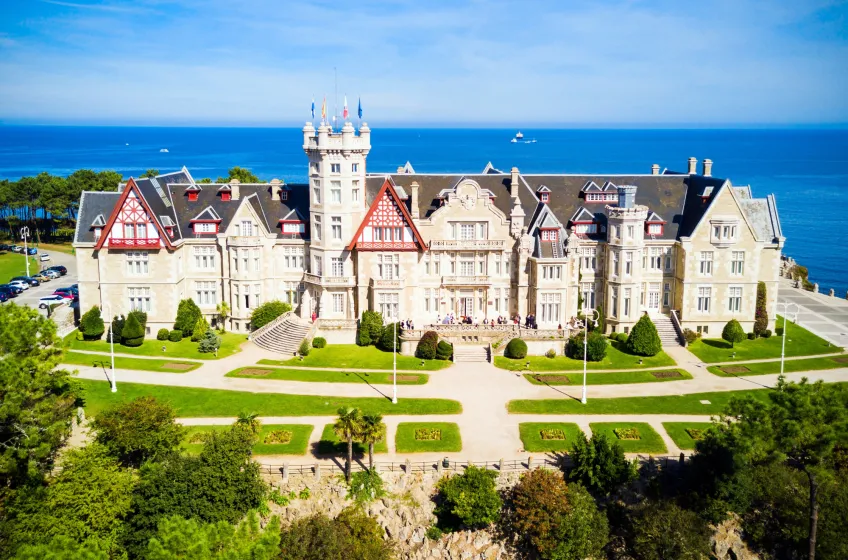
Wooded paths, beaches, gardens and viewpoints surround the former royal palace at the highest point. The peninsula was developed as a summer retreat for the Spanish royal family and still has an elegant resort atmosphere.
A full circuit is best explored on foot. The route includes slopes, but the views across the bay and open sea are worth the effort.
Visit early in the day for a quieter walk or later in the afternoon for softer light.
Visit the Palacio de la Magdalena
The Palacio de la Magdalena stands prominently above the bay.
Built as a royal summer residence, it combines English, French and regional architectural influences. The palace is now used for cultural and educational purposes, and interior access may depend on guided tours or events.
Even when the building is closed, the exterior, gardens and panoramic setting make the visit worthwhile.
Relax at El Sardinero
El Sardinero is Santander’s best-known beach district.
Its two broad beaches are backed by promenades, gardens, hotels and restaurants. The area became fashionable during the late 19th and early 20th centuries and still retains a classic seaside-resort character.
The beach changes considerably with the tide, and Atlantic waves can be strong. Always observe local flags and lifeguard advice.
The promenade is enjoyable throughout the year, even when conditions are unsuitable for swimming.
Walk Along the Waterfront
Santander’s waterfront is ideal for a long, easy walk.
The route passes the harbour, Pereda Gardens, Centro Botín and the maritime district before continuing towards the Magdalena Peninsula and El Sardinero.
The city’s relationship with the bay becomes especially clear from this route, with ferries, fishing boats and sailing vessels moving across the water.
Morning and early evening are the most pleasant times during warmer months.
Visit Centro Botín
Centro Botín is Santander’s main contemporary cultural landmark.
Its raised, reflective buildings stand beside the harbour and Pereda Gardens. The design preserves views and public movement beneath the structure while adding rooftop terraces and gallery space above.
Temporary exhibitions focus on modern and contemporary art. The outdoor terraces are also worth visiting for views across the bay.
Explore Pereda Gardens
Pereda Gardens provide a landscaped link between the city centre and waterfront.
Tree-lined paths, flowerbeds, sculptures and seating make this a pleasant place to pause between the harbour and Centro Botín.
The gardens are particularly lively during weekends and public events.
Discover the Historic Centre
Santander’s historic centre was heavily affected by a major fire in the 20th century, so much of the central architecture is more modern than visitors may expect.
The streets around Plaza Porticada, the cathedral and the market remain the main focus. Shops, cafés and restaurants fill the surrounding pedestrian areas.
The centre is compact and easy to explore on foot.
Visit Santander Cathedral
Santander Cathedral consists of two connected churches built at different levels.
The lower Church of Christ is the older section and has a restrained Romanesque atmosphere. The upper cathedral was rebuilt and altered after damage and fire.
The complex is modest compared with the great cathedrals of Burgos or León, but it remains one of the city’s most important historic buildings.
Explore Mercado del Este
Mercado del Este occupies a restored 19th-century market building near the city centre.
It now contains cafés, restaurants, shops and cultural spaces rather than operating mainly as a traditional fresh-food market.
Its central location makes it a convenient place for coffee, lunch or shelter during wet weather.
Visit Mercado de la Esperanza
Mercado de la Esperanza is Santander’s principal traditional food market.
Stalls sell fish, shellfish, meat, cheese, vegetables and other regional produce. The seafood displays are particularly impressive and reflect the city’s close connection with the Cantabrian Sea.
Visit during the morning, when the market is busiest and the widest selection is available.
Walk to Cabo Mayor Lighthouse
Cabo Mayor lies north of El Sardinero and offers a wilder coastal atmosphere.
Clifftop paths lead towards the lighthouse, with views over rocky coves and open sea. The landscape feels much more exposed than the sheltered bay.
Wind can be strong, and cliff edges require care. Stay on recognised paths and avoid the area during severe weather.
See Mataleñas Beach
Mataleñas is a smaller beach set beneath cliffs between El Sardinero and Cabo Mayor.
It is reached by steps and feels more secluded than the city’s main beaches. The setting is attractive, but access is less convenient for visitors with limited mobility.
Check tide and sea conditions before swimming.
Visit the Cantabrian Maritime Museum
The Cantabrian Maritime Museum explores the region’s connection with the sea.
Its exhibitions cover fishing, navigation, marine biology, shipbuilding and coastal culture. Aquariums and maritime collections make it suitable for families as well as adults.
The museum stands near the bay between the centre and Magdalena Peninsula.
Take a Boat Across the Bay
Seasonal passenger boats provide short journeys across Santander Bay.
Routes may connect the city with places such as Somo or Pedreña. These trips offer attractive views back towards Santander’s waterfront and hills.
A boat in one direction and bus return can make a pleasant half-day excursion.
Check the final sailing carefully, particularly outside summer.
Visit Somo Beach
Somo lies across the bay and has a long, open beach popular with surfers.
The atmosphere is less urban than El Sardinero, with broad sand, dunes and views towards Santander. Ferries and buses provide access depending on season and schedule.
The sea can be rough, so swimming conditions should be checked carefully.
Walk Through Piquío Gardens
The Piquío Gardens occupy a small elevated area between the Sardinero beaches.
Formal paths and viewpoints overlook the sea, promenades and nearby hotels. The gardens are compact but make an attractive stop during a walk along the coast.
See the Gran Casino del Sardinero
The Gran Casino is one of El Sardinero’s defining historic buildings.
Its white façade and elegant position reflect the district’s development as a fashionable resort. The building remains associated with entertainment and events.
Even visitors who do not enter will appreciate the exterior and surrounding plaza.
Practical Advice for Visitors
Getting There
Santander Airport lies a short distance south of the city.
Buses and taxis connect the airport with the centre. Flight routes vary by season, so check direct options from the UK before planning.
Santander is also connected by long-distance trains and coaches with Madrid, Bilbao, Oviedo and other northern cities.
Ferries link Santander with the UK on selected routes, making the city a practical gateway for travellers arriving with a car.
Getting Around
Central Santander is easy to explore on foot, though the city is hillier than it first appears.
Local buses connect the centre with El Sardinero, Cabo Mayor, the airport and outer neighbourhoods. Taxis are useful for shorter uphill journeys.
A car is unnecessary for the city itself but useful for exploring rural Cantabria.
Parking
Street parking is controlled and can be difficult near the centre and beaches.
Public garages are available around the harbour, commercial centre and Sardinero district. Summer weekends are especially busy near the coast.
Accommodation with parking is useful when using Santander as a base for regional driving.
Choosing Where to Stay
The city centre is best for restaurants, shopping, transport and cultural attractions.
El Sardinero is ideal for beaches, sea views and a quieter evening atmosphere. It is slightly removed from the historic centre but well connected by bus.
The Magdalena area offers an elegant residential feel between the centre and main beaches.
Dining
Santander’s food culture focuses heavily on seafood and Cantabrian produce.
Grilled fish, squid, clams, mussels, anchovies and shellfish appear widely. Inland dishes include mountain stews, beans and grilled meat.
Lunch usually begins after 1.30pm, while dinner commonly starts after 8.30pm.
Restaurants near the waterfront may charge more for the view, so compare menus before choosing.
Try Rabas
Rabas are strips or rings of fried squid and are one of Santander’s classic bar foods.
They are usually served with lemon and eaten as a snack or shared starter. Quality depends on freshness and careful frying.
Busy local bars are often the best places to try them.
Seafood
Santander is an excellent place for hake, sea bass, clams, prawns and locally landed seasonal fish.
Some shellfish is priced by weight, so ask before ordering if the cost is unclear.
For a more traditional experience, look beyond the main tourist promenades and explore restaurants around the market and central streets.
Cheese
Cantabria produces several distinctive cheeses.
Nata de Cantabria is mild and creamy, while Picón Bejes-Tresviso is a strong blue cheese from the Picos area. Quesucos de Liébana are smaller mountain cheeses with varied textures and flavours.
Specialist food shops and markets provide the best range.
Shopping
Typical local purchases include anchovies, cheese, preserved seafood, sobaos, quesada and regional honey.
The main shopping streets lie in the central district around Burgos, Jesús de Monasterio and the surrounding commercial area.
Most ordinary shops close on Sundays, apart from selected tourist and transport businesses.
When to Visit
May to June is excellent for mild weather, green scenery and quieter beaches.
July and August offer the warmest beach conditions but also the largest crowds and highest accommodation prices.
September is one of the best months, with a calmer atmosphere and often pleasant weather.
Winter is mild but wet and windy. The city remains attractive for food, museums and coastal walks, though rough weather can affect outdoor plans.
Weather
Santander has an Atlantic climate, so rain is possible at any time of year.
Pack a waterproof jacket and layered clothing even in summer. Conditions can change quickly between sheltered streets and exposed headlands.
The sea breeze may make evenings feel cooler than inland temperatures suggest.
Local Events
Santander hosts music, theatre, maritime and cultural events throughout the year.
Summer is the busiest period for festivals, concerts and public celebrations around the waterfront and Sardinero.
Religious processions and local neighbourhood festivals also take place at various times.
Dates vary annually, so check the current programme before arranging a visit around a specific event.
Safety and Common Visitor Problems
Santander is generally safe and straightforward to explore.
The main practical concerns are strong sea conditions, slippery promenades after rain and exposed cliff edges around Cabo Mayor.
Pickpocketing is possible in crowded transport areas and during festivals, though it is less common than in Spain’s largest cities.
Always follow beach flags and avoid swimming when conditions are rough.
Exploring Beyond Santander
Santillana del Mar offers a beautifully preserved medieval centre and access to the Altamira museum.
Comillas is known for El Capricho de Gaudí and elegant coastal architecture.
Cabárceno Nature Park provides a large wildlife attraction in a former mining landscape.
Santoña is famous for anchovies, marshes and maritime scenery.
Castro Urdiales has a harbour, medieval church and dramatic coastal setting near the Basque border.
The Picos de Europa can be reached through the Liébana Valley and Fuente Dé.
Bilbao lies east of Santander and offers the Guggenheim Museum, excellent food and a strong urban contrast.
Shortlist
- Your Shortlist is empty