
Discover Oise | A Visitor's Introduction to Oise
Recommended places to visit, places to stay and things to do in Oise
Oise is a picturesque and historically rich department in the Picardy region of Northern France, just north of Paris. Named after the river that meanders through its rolling countryside and forested hills, Oise is home to fairy-tale castles, medieval towns, grand cathedrals, and some of the country's most peaceful and enchanting landscapes. It’s a region steeped in royal legacy and artistic heritage, yet wonderfully accessible, making it an ideal destination for weekend getaways, history lovers, culture seekers, and nature enthusiasts alike.
Recommended Oise Accommodation: Hotels Bed & Breakfasts
Why is Oise Worth a Visit?
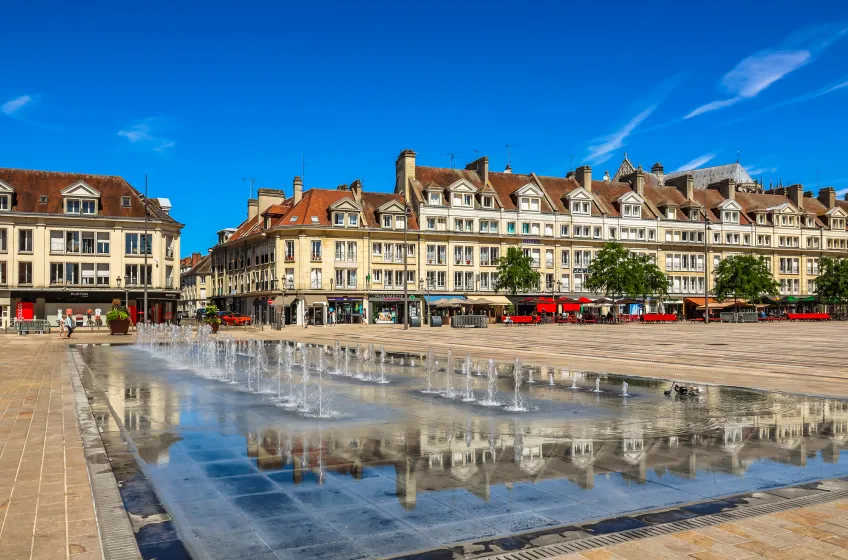
Oise is worth visiting for its perfect mix of cultural grandeur and natural tranquillity. Here you can explore majestic châteaux such as Chantilly and Pierrefonds, wander through charming towns like Senlis and Beauvais, or delve into the Napoleonic past of Compiègne. The department’s dense forests and rural lanes are ideal for walking, cycling, or riding, offering a serene counterpoint to the elegant architecture and rich museums.
Less crowded than Paris but just a short drive or train ride away, Oise offers a glimpse of authentic northern France—where history comes to life and local traditions are proudly preserved. Whether you're sipping wine under half-timbered façades, gazing at Renaissance paintings, or exploring a Gothic cathedral that dwarfs many better-known monuments, Oise invites you to slow down and enjoy the beauty and stories woven into its towns and countryside.
Oise Highlights: Things to See and Do in Oise
Château de Chantilly
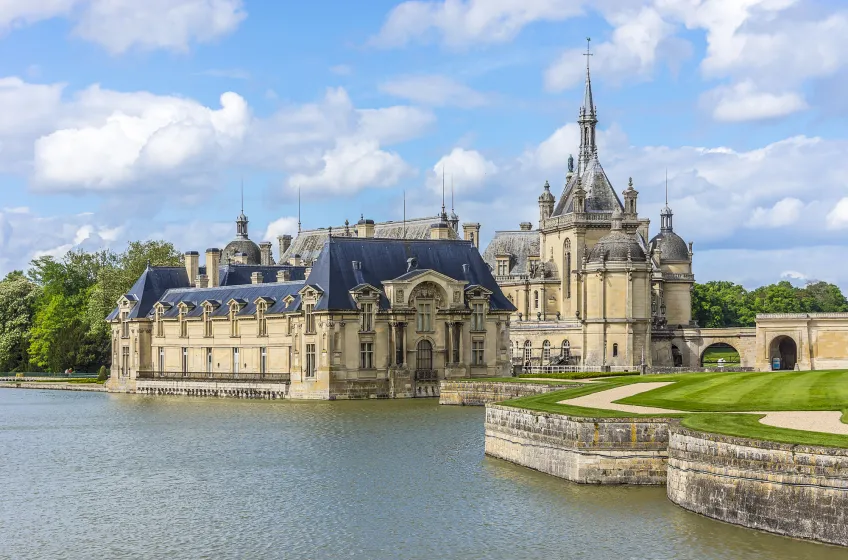
One of France’s most stunning castles, the Château de Chantilly is a masterpiece of French Renaissance and classical architecture. Set amidst lakes and gardens designed by André Le Nôtre, it houses the Musée Condé, with one of the most prestigious art collections in the country outside the Louvre. The château’s library and stables are equally impressive, and the surrounding Chantilly Forest adds a natural elegance.
Be sure to try the region’s signature crème Chantilly while you're here—it’s said to have been invented in the château’s kitchens.
Compiègne and its Imperial Palace
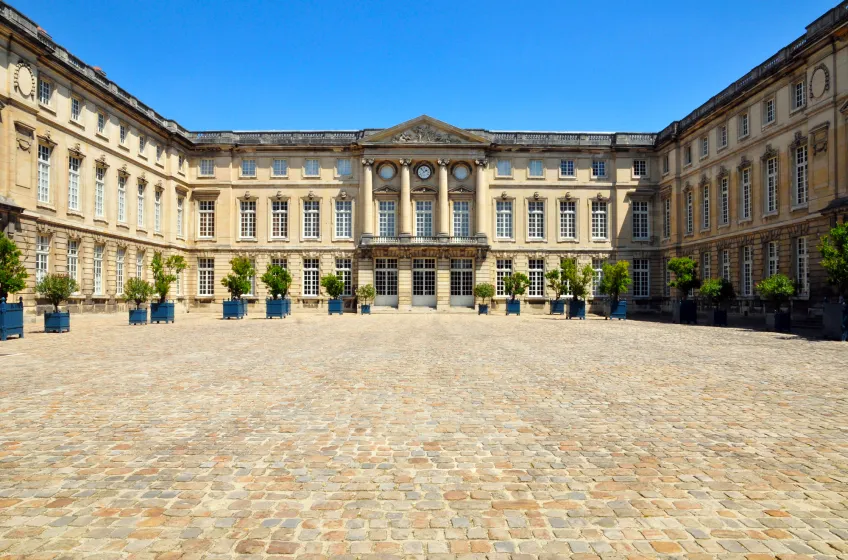
Compiègne was a royal and imperial residence for centuries, and its neoclassical palace remains one of the highlights of the region. Napoleon I and Napoleon III both favoured this town, and the palace reflects their tastes in décor and grandeur. Compiègne also played a pivotal role in both World Wars, most notably as the site of the WWI Armistice in 1918, commemorated at the Clairière de l’Armistice deep in the forest.
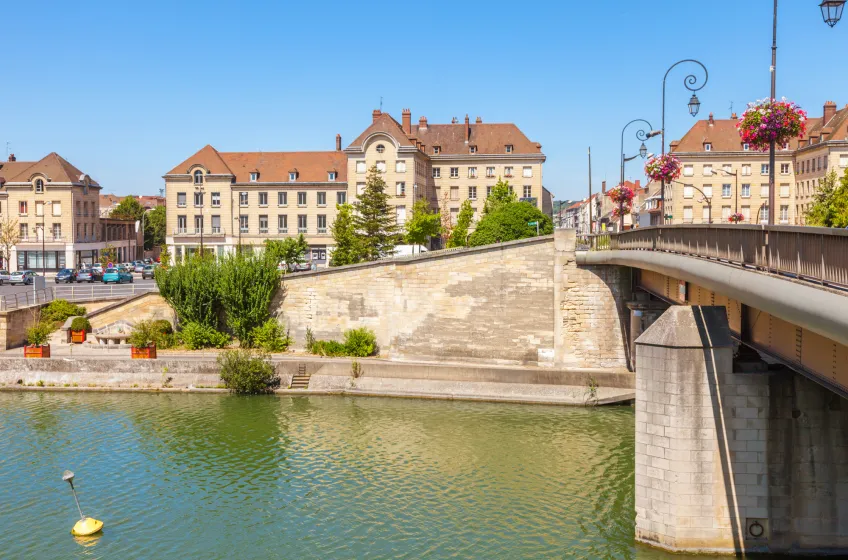
The town is charming and walkable, with riverside cafés, leafy boulevards, and easy access to one of France’s largest forests.
Château de Pierrefonds
Straight from a storybook, Château de Pierrefonds is a romantic, turreted castle restored in the 19th century by architect Viollet-le-Duc. Perched on a hillside overlooking a lake and village, it has served as a filming location for numerous films and series, including Merlin. Visitors can explore grand halls, ramparts, and historical exhibitions, all set in a magical medieval atmosphere.
The surrounding town and lakeside promenade add to the appeal, especially in summer.
Beauvais Cathedral (Cathédrale Saint-Pierre)
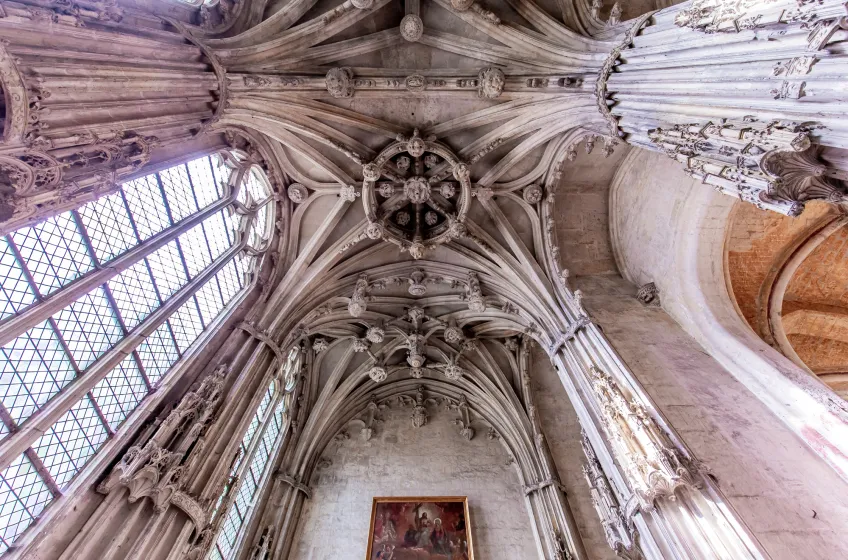
Beauvais is home to one of the most ambitious cathedrals in Europe. Though never fully completed, Saint-Pierre Cathedral boasts the tallest Gothic choir in the world. Its astronomical clock, intricate stained glass, and sheer vertical scale are awe-inspiring. Beauvais also offers a tapestry museum, medieval buildings, and a relaxed small-town atmosphere.
The city is easily accessible and makes a great base for exploring the western part of Oise.
Senlis
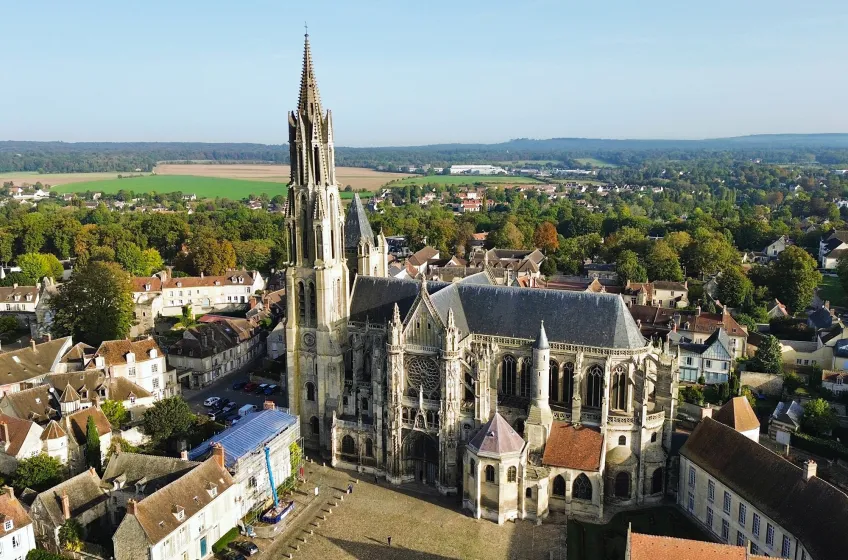
A hidden gem, Senlis is a beautifully preserved medieval town with cobbled streets, timbered houses, and Roman walls. Once a royal residence, it has retained its old-world charm and historical significance. The Gothic Senlis Cathedral is the town’s centrepiece, and the Musée d’Art et d’Archéologie showcases artefacts from Roman times to the present day.
Senlis also has a great food scene, bustling markets, and a welcoming, lived-in feel that appeals to both history buffs and casual visitors.
Abbaye Royale du Moncel
Near Pontpoint, the Royal Abbey of Moncel was founded by King Philip IV in the 14th century. This serene and semi-ruined site features Gothic architecture, peaceful gardens, and guided tours that bring its monastic history to life. It’s one of many quiet religious sites scattered across the region that offer introspective beauty and historical depth.
Parc Astérix
For family fun with a Gallic twist, Parc Astérix is one of France’s best-loved theme parks. Based on the adventures of Astérix and Obélix, it offers roller coasters, water rides, and entertaining shows set in Roman, Viking, and Egyptian-themed zones. Located just outside of Plailly in Oise, it's a fun, French-flavoured alternative to Disneyland Paris and perfect for a day out with kids.
Forests and Outdoor Activities
The vast forests of Oise—Compiègne, Halatte, and Chantilly—are interwoven with walking, cycling, and equestrian trails. These royal forests once hosted hunting parties for kings, and today offer tranquil escapes with wildlife, ancient trees, and scenic picnic spots. Whether you're hiking to the Saint-Jean-aux-Bois abbey or cycling through forest paths to a hidden château, the experience is peaceful and rejuvenating.
Practical Advice for Visitors
Getting There
Oise is ideally placed for access from Paris. Most major towns, including Chantilly, Beauvais, and Compiègne, are within an hour’s drive or train journey from the capital. Regular trains run from Paris Gare du Nord to Chantilly-Gouvieux, Compiègne, and Beauvais. The A1 and A16 motorways provide easy road access.
Paris Beauvais-Tillé Airport, located in Oise, serves several low-cost European destinations and is a convenient entry point for international visitors.
Parking
Parking is generally easy and affordable throughout Oise. Most towns have central car parks, and many attractions like the châteaux and museums offer free or low-cost parking on site. In forested areas, trailheads and picnic spots typically have small car parks with signposted access.
Dining
Oise offers a delicious cross-section of northern French cuisine. Traditional dishes include ficelle picarde (a baked crêpe with ham and mushrooms), tarte au maroilles (a rich cheese tart), and game-based dishes in autumn. The region is also known for pastries and regional cheeses.
Top dining spots include Auberge du Jeu de Paume in Chantilly for fine dining, La Table d'Élise in Compiègne for elegant French cuisine, and Le Gril des Barbares in Senlis for hearty meals in a medieval cellar.
Cafés and boulangeries are plentiful across towns and villages—ideal for grabbing a fresh pastry or sandwich for a picnic in the woods.
Shopping
Markets are a great way to experience local life, with fresh produce, cheese, and regional products on offer. Beauvais (Wednesday and Saturday) and Senlis (Tuesday and Friday) host some of the best. For souvenirs, look for Chantilly lace, regional ceramics, forest honey, and handmade soaps.
Chantilly’s château shop and Compiègne’s town centre offer unique artisan goods and books for history and art lovers.
When to Visit
The best times to visit Oise are spring (April to June) and early autumn (September to October). These seasons offer pleasant weather, blooming gardens, and fewer crowds. Summer is also wonderful for outdoor events and festivals, but can be busier in popular spots like Chantilly and Parc Astérix.
Winter is quieter and more atmospheric, especially around Christmas when towns like Beauvais and Senlis are beautifully decorated and host festive markets.
Local Events
Oise hosts a range of annual events, from historical reenactments to music festivals. Highlights include:
-
Prix du Jockey Club (June): A prestigious horse race held at Chantilly racecourse.
-
Fête Jeanne Hachette (June): A medieval festival in Beauvais with parades and performances.
-
Journées des Plantes de Chantilly (May and October): A major gardening fair held in the château’s park.
-
Imperial Days in Compiègne: Celebrating Napoleonic heritage with costumes and historical events.
Music festivals, artisan fairs, and outdoor theatre are common throughout the warmer months, particularly in château gardens and town squares.
Exploring Beyond Oise
From Oise, it’s easy to explore the wider Hauts-de-France region. The Somme battlefields are just over an hour away and provide a deeply moving historical journey. Amiens, with its majestic cathedral and floating gardens, is a short drive west. To the east, the Champagne region beckons with its vineyards and cellars.
Paris is also within easy reach for a day trip or onward travel, making Oise a perfect countryside base close to the capital.
Shortlist
- Your Shortlist is empty