
Discover Compiègne | A Visitor's Introduction to Compiègne
Compiègne is a charming and historic town nestled in the Oise department of northern France, just 80 km northeast of Paris. Situated on the banks of the River Oise and surrounded by one of the largest forests in the country, Compiègne is a town steeped in royal grandeur, Napoleonic legacy, and wartime history. With its elegant imperial palace, leafy boulevards, and peaceful woodland, Compiègne is a wonderful destination for history lovers, nature enthusiasts, and anyone seeking a relaxed and cultured escape from city life.
Recommended Compiègne Accommodation: Hotels Bed & Breakfasts
Why is Compiègne Worth a Visit?
Compiègne is worth visiting for its rare combination of regal architecture, natural beauty, and historical depth. Once a favoured retreat for French monarchs and later a key site for Napoleon III, the town has long been associated with the upper echelons of French society. Today, its Imperial Palace, museums, and picturesque old town provide an insight into centuries of history.
But Compiègne also holds a poignant place in 20th-century memory—this is where the World War I armistice was signed in 1918, and where Hitler staged a chilling counter-signing in 1940. These contrasting moments are preserved in the forest’s Clairière de l’Armistice, one of the region’s most powerful historic sites.
Surrounded by the immense Compiègne Forest, the town also offers ample opportunities for cycling, hiking, and horse riding. Whether you’re here to explore royal salons or wander under green canopies, Compiègne delivers a rich and rewarding experience.
Compiègne Highlights: Things to See and Do in Compiègne
Palais de Compiègne (Compiègne Palace)
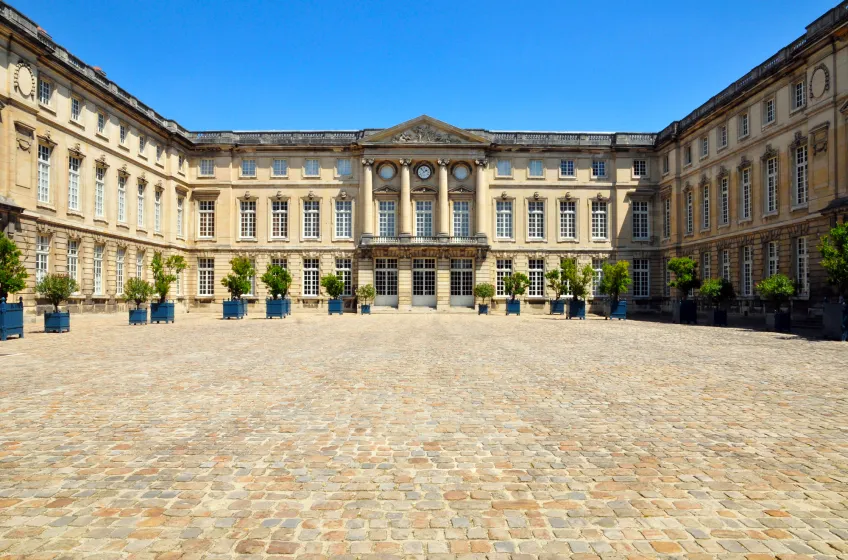
This neoclassical palace was originally built for Louis XV and later transformed by Napoleon I into a lavish imperial residence. Located in the heart of the town, the Palais de Compiègne is one of the three main royal residences in France, alongside Versailles and Fontainebleau.
Today, visitors can explore its magnificent apartments, richly decorated with period furniture, chandeliers, and tapestries. The palace also houses three museums: the Musée du Second Empire, which traces the reign of Napoleon III; the Musée de l’Impératrice; and the Musée de la Voiture, a fascinating collection of historic carriages and early automobiles.
The surrounding gardens, laid out in formal French style, are perfect for a tranquil stroll before heading into the forest beyond.
Clairière de l’Armistice
Located in the Compiègne Forest, this historic glade marks the spot where the Armistice of 11 November 1918 was signed, effectively ending World War I. The area is now home to a memorial site and museum. The centrepiece is a replica of the train carriage where the signing took place (the original was destroyed during WWII), along with moving exhibits and photographs detailing the events.
Equally powerful is the fact that Hitler forced the French to sign their surrender here in 1940, a chilling echo that gives the site profound symbolic weight. It's a must-visit for anyone interested in 20th-century history.
Compiègne Forest (Forêt de Compiègne)
Stretching over 14,000 hectares, the Compiègne Forest is one of the largest and most beautiful in France. Once a royal hunting ground, the forest is now a haven for outdoor activities including walking, horse riding, and cycling. The forest is crisscrossed with old Roman roads and dotted with scenic spots, picnic areas, and former hunting pavilions.
In autumn, the forest is especially magical as the foliage turns golden. The area around Saint-Jean-aux-Bois, a picturesque village within the forest, is particularly popular for day hikes and nature watching.
Église Saint-Jacques
This Gothic church in the centre of Compiègne dates back to the 13th century and was frequented by both kings and emperors. Its beautiful stained glass windows, including one dedicated to Joan of Arc, are especially noteworthy. Joan herself passed through Compiègne in 1430, where she was captured and handed over to the English. The church and its square make for a peaceful break in the town’s historical core.
Musée Antoine Vivenel
Named after a 19th-century collector from Compiègne, this small but impressive museum focuses on art and archaeology. Its highlights include Roman antiquities, Greek ceramics, and fine art from the Middle Ages through to the 19th century. The museum is housed in a former mansion and is an often-overlooked gem for culture seekers.
Hôtel de Ville and Place de l’Hôtel de Ville
The Compiègne Town Hall is a lovely example of late Gothic and early Renaissance architecture. Its ornate façade features gargoyles, a tall belfry, and a mechanical bell-ringer known as the jacquemart. The adjoining square is lined with cafés and is a pleasant spot to soak in the town’s relaxed atmosphere.
Promenade Along the River Oise
The riverside promenade is ideal for a gentle stroll or bike ride. You can rent bikes or electric boats to explore further along the water, or simply enjoy a glass of wine or coffee by the quayside. The tranquil setting and views of the old bridges make it especially appealing at sunset.
Practical Advice for Visitors
Getting There
Compiègne is very accessible from Paris, making it ideal for a day trip or weekend break. Trains from Paris Gare du Nord take around 45 minutes to reach Compiègne station, which is a short walk from the town centre.
By car, the journey from Paris takes about an hour via the A1 motorway. The town is also well-positioned for exploring other parts of the Oise and Picardy regions.
Parking
There are several car parks in and around the town centre, including near the palace and the river. Parking is usually free outside central hours or on Sundays. Street parking is metered during the week but not overly expensive.
If you're heading into the forest for a walk, there are dedicated parking areas at trailheads and picnic zones, especially around the Clairière de l’Armistice.
Dining
Compiègne offers a great mix of traditional and contemporary French dining. For a fine experience, La Table d’Élise near the palace serves refined seasonal dishes in an elegant setting. Le Bistrot des Arts offers creative bistro cuisine with a relaxed, arty vibe. For something cosy and classic, L’Auberge de la Vieille Ferme in the nearby village of Saint-Jean-aux-Bois is excellent, especially for forest-inspired cuisine.
Don’t forget to sample regional specialities such as duck confit, Picardy cheeses, and tarte au sucre (a sweet butter and sugar tart typical of northern France).
Shopping
Compiègne’s town centre features a range of independent shops, bakeries, and boutiques. The Rue Solférino and Rue des Lombards are great for browsing. On Wednesdays and Saturdays, the town hosts a bustling market with everything from fresh produce to flowers and local crafts.
For a unique souvenir, consider regional ceramics, handmade candles, or local honey from forest hives.
When to Visit
Compiègne is beautiful year-round. Spring and autumn are particularly pleasant, with mild temperatures and colourful landscapes. Autumn is especially scenic in the forest. Summer brings outdoor concerts, festivals, and bustling markets.
Winter is quieter, but the town’s festive decorations and Christmas market make it a charming time to visit, especially if you enjoy exploring historical sites without crowds.
Local Events
Compiègne hosts several notable annual events. The Joan of Arc Festival in May includes historical reenactments, concerts, and a medieval market. The Imperial Gala, held in summer, features costumed parades and performances that celebrate the town’s Napoleonic heritage.
Classical concerts and theatre productions are frequently held at the Théâtre Impérial, and the Festival des Forêts offers music and arts events in woodland settings during the summer months.
Exploring Beyond Compiègne
Nearby, the medieval town of Senlis is well worth a visit, with its cobbled streets and impressive cathedral. The Château de Pierrefonds, a stunning neo-Gothic castle restored by Viollet-le-Duc, looks like it’s stepped straight out of a fairytale and is just a 25-minute drive away. The Oise Valley also offers quiet villages, abbeys, and scenic drives perfect for day trips.
Shortlist
- Your Shortlist is empty