
A Visitor's Introduction to The National Museum of Scotland
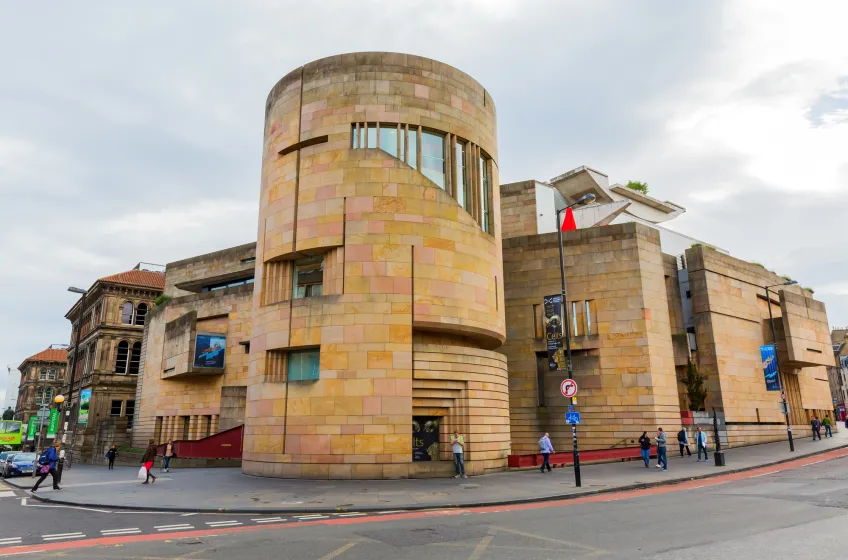
The National Museum of Scotland, located on Chambers Street in the heart of Edinburgh, is one of the country’s most significant cultural institutions. The museum brings together the collections of the former Museum of Scotland and the Royal Museum, creating a diverse and expansive display that spans natural history, world cultures, science and technology, art and design, and Scottish history. Housed in a striking blend of Victorian and modern architecture, the museum offers free entry and is suitable for all ages. Its broad-ranging exhibits and immersive displays make it a popular destination for tourists, school groups, and local visitors alike.
Recommended Edinburgh accommodation: Hotels Bed & Breakfasts Pub Accommodation Apartments
Pre-book Edinburgh Attractions, Tours & Experiences
Why Is The National Museum of Scotland Worth a Visit?
The National Museum of Scotland is worth visiting for its exceptional breadth of content and its ability to cater to a wide range of interests. Whether visitors are curious about the ancient kingdoms of Scotland, fascinated by engineering breakthroughs, or interested in global cultures, there is something of value to discover. The museum’s collections are extensive, featuring over 20,000 artefacts across multiple themed galleries. Many of the exhibits are interactive, encouraging hands-on learning and engagement. Additionally, the museum regularly hosts temporary exhibitions, workshops, and events, providing fresh reasons to return even for repeat visitors. Its central location makes it easily accessible, and the combination of historical significance and modern presentation techniques results in a rich and rewarding experience.
Museum Highlights
Grand Gallery
Upon entering the museum from the original Victorian building, visitors are greeted by the Grand Gallery, a spacious light-filled hall characterised by elegant cast-iron architecture and a soaring glass ceiling. The gallery serves as an orientation space and exhibition area, often hosting temporary displays and showcasing significant artefacts from across the museum’s collections. It creates a dramatic first impression and reflects the building’s 19th-century origins.
Kingdom of the Scots
This section presents a detailed narrative of Scotland's history, from the earliest settlements to the unification of the Scottish kingdom and beyond. Artefacts include the Lewis Chessmen, early Christian stone carvings, and the Monymusk Reliquary. Visitors can trace the development of Scottish identity through centuries of change, warfare, and cultural development.
Scotland Transformed
Focusing on the period from 1707 to the present day, this gallery explores the social, political, and economic changes that shaped modern Scotland. Exhibits include items related to the Jacobite risings, industrialisation, and the development of Scottish institutions. It provides context for contemporary issues and debates surrounding Scottish identity and autonomy.
Natural World Galleries
These galleries explore the diversity of life on Earth through taxidermy specimens, fossils, and dioramas. One of the standout features is the life-sized cast of a Tyrannosaurus rex, accompanied by digital displays explaining its physiology and behaviour. Other sections focus on ecosystems, biodiversity, and environmental challenges.
Science and Technology
The Science and Technology galleries trace human innovation from the Industrial Revolution to the space age and digital era. Exhibits include early steam engines, communication devices, medical instruments, and robotic technologies. Interactive stations allow visitors to experiment with physics principles, explore renewable energy, and learn about contemporary scientific research.
Art, Design and Fashion
This section brings together decorative arts, design movements, and textile history, with a particular focus on Scottish contributions. Objects range from medieval silverwork and 18th-century costume to modern couture and industrial design. The gallery highlights the interplay between function and beauty in everyday objects.
World Cultures
Covering regions including Africa, Asia, the Americas, and the Pacific, the World Cultures galleries offer insight into diverse global traditions and spiritual practices. Artefacts include Japanese samurai armour, African masks, Native American ceremonial items, and Polynesian carvings. The displays emphasise cultural exchange, belief systems, and craftsmanship.
Ancient Egypt and East Asia
The museum houses a substantial collection of Egyptian antiquities, including coffins, mummies, and funerary items that illustrate burial practices and beliefs about the afterlife. The East Asia section features artefacts from China, Japan, and Korea, such as ceramics, religious sculptures, and calligraphy, offering insights into the cultural and artistic traditions of the region.
Dolly the Sheep
One of the museum's most famous exhibits is Dolly the Sheep, the first mammal to be cloned from an adult cell. Preserved and displayed in a glass case, Dolly is part of the Science and Technology galleries and remains a key attraction for visitors interested in genetics and biotechnology.
The Window on the World
Located in the modern part of the building, this vertical display presents an eclectic mix of over 800 objects from the museum’s collections, arranged thematically across several floors. It serves both as a visual statement and a means of highlighting the breadth of the museum’s holdings.
Roof Terrace
For panoramic views of Edinburgh’s Old Town, visitors can head to the museum’s roof terrace. Open when weather permits, the terrace offers a unique vantage point for photographing the city skyline, including views of Edinburgh Castle and Arthur’s Seat.
Facilities
The National Museum of Scotland is designed to be accessible and welcoming to all visitors. The building has multiple lifts and escalators, and step-free access is available throughout. Accessible toilets are located on several floors, and wheelchairs are available to borrow free of charge. Baby changing facilities are provided, and the museum is breastfeeding-friendly.
There are two cafés onsite: the Balcony Café, which offers light meals and refreshments, and the Museum Brasserie, which serves a more substantial menu including Scottish produce. A gift shop near the main entrance sells books, souvenirs, and locally made crafts. Lockers and cloakroom services are available for storing bags and coats.
Free Wi-Fi is available throughout the museum, and downloadable guides and apps can help visitors plan their route through the exhibitions. Information desks are staffed by knowledgeable personnel ready to assist with directions and inquiries.
Nearby Attractions
The museum's central location on Chambers Street places it within walking distance of many of Edinburgh’s other major attractions. Just a few minutes away is the historic Royal Mile, which stretches from Edinburgh Castle to the Palace of Holyroodhouse. Along this route, visitors can explore sites such as St Giles’ Cathedral, the Real Mary King’s Close, and the Scottish Parliament.
Greyfriars Kirkyard, located just behind the museum, is one of the city’s most famous graveyards, known for its atmospheric setting and literary connections. The University of Edinburgh’s Old College is also nearby, featuring a neoclassical courtyard and the Talbot Rice Gallery, which showcases contemporary art.
For those interested in literature and printing, the Writers’ Museum and the Scottish Storytelling Centre are both within a 10-minute walk. Princes Street Gardens and the National Gallery of Scotland are also easily accessible, offering art collections and green space in the city centre.
Practical Advice
The National Museum of Scotland is open daily, typically from 10:00 to 17:00, although hours may vary during holidays or special events. Admission is free, though donations are encouraged, and some temporary exhibitions may require a paid ticket.
As the museum can get particularly busy during weekends, school holidays, and festival periods, arriving early in the day is advisable for a quieter experience. Entry is through the main door on Chambers Street, and there are additional entrances and exits available for accessibility needs.
Photography is permitted in most areas for personal use, but flash and tripods are not allowed. Visitors are encouraged to check the museum’s website before visiting for the latest information on exhibitions, opening times, and any scheduled maintenance or closures.
The museum is well connected by public transport, with numerous bus routes serving the area. Waverley Station is approximately a 10-minute walk away, and bike racks are available outside the building. There is no dedicated parking, but nearby car parks include the NCP on Edinburgh’s Castle Terrace and on-street pay-and-display parking around the Old Town.
A visit to the National Museum of Scotland can take anywhere from a couple of hours to a full day, depending on the level of exploration. Maps are available at the entrance, and staff are on hand to recommend routes tailored to specific interests, such as science, history, or family-friendly exhibits. Guided tours and educational talks are available at scheduled times and provide deeper insight into particular areas of the collection.
For families, many of the exhibits include interactive elements suitable for children, and the museum regularly hosts themed activities and workshops during school holidays. Quiet areas are available for those needing a break from the more crowded galleries.
Overall, the National Museum of Scotland offers a comprehensive and engaging overview of both Scottish heritage and global history, making it an essential stop for anyone visiting Edinburgh.
Shortlist
- Your Shortlist is empty