
A Visitor's Introduction to Liverpool Pier Head & The Three Graces
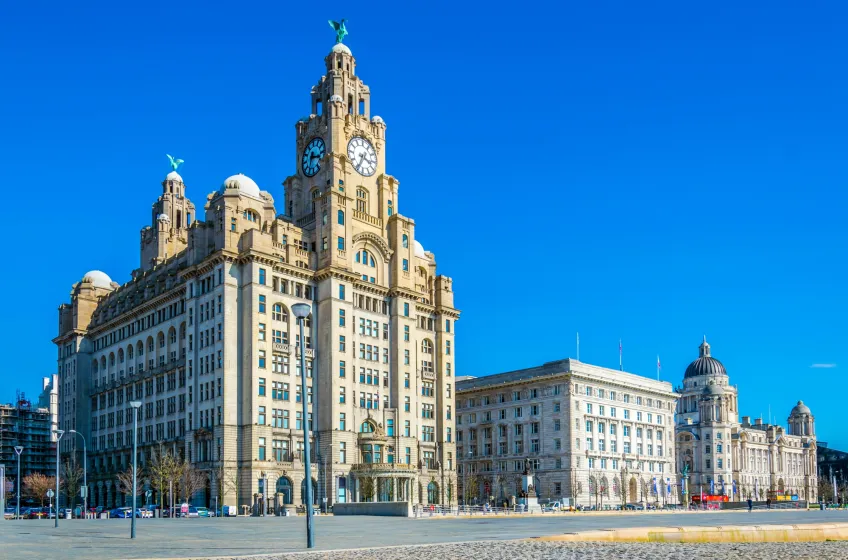
Liverpool Pier Head, located on the city’s famous waterfront beside the River Mersey, is one of the most iconic urban landscapes in England. It forms part of the Liverpool Maritime Mercantile City UNESCO World Heritage Site (designated in 2004, though later removed from the list in 2021 due to redevelopment changes). The Pier Head is best known for the “Three Graces” – the Royal Liver Building, the Cunard Building, and the Port of Liverpool Building – which together create one of the most distinctive skylines in the UK.
The area was once the hub of Liverpool’s thriving docks, serving as the administrative and commercial centre of the city’s maritime trade. Today, the Pier Head is a focal point for both tourism and cultural life. With its striking architecture, museums, ferry services, and open public spaces, it provides a natural gathering point for visitors and locals alike.
Pre-book Royal Liver Building 360° Tower Tour
Recommended Liverpool Accommodation: Hotels Bed & Breakfasts Pub Accommodation Apartments
Why is Liverpool Pier Head Worth a Visit?
The Pier Head is worth visiting for its combination of history, architecture, and atmosphere. It symbolises Liverpool’s role as one of the world’s great port cities during the 18th, 19th, and early 20th centuries, when its docks handled a huge share of Britain’s trade and migration. The waterfront reflects this heritage in its grand buildings and monuments, many of which were created as statements of civic pride and commercial success.
At the same time, the Pier Head has been revitalised as a modern cultural destination. Visitors can explore museums such as the Museum of Liverpool, enjoy ferry crossings made famous by the song Ferry Cross the Mersey, and admire public artworks and memorials. The open riverside promenade provides excellent views of the Mersey and Wirral, and the area is frequently used for festivals, concerts, and events.
The Pier Head’s blend of historic significance and contemporary use makes it a must-see for anyone exploring Liverpool.
Pier Head Highlights
The Three Graces
The Three Graces dominate the Pier Head and form one of the UK’s most recognisable architectural groups.
-
Royal Liver Building: Completed in 1911, this was one of the world’s first reinforced concrete buildings. It is crowned by two large copper Liver Birds, each 18 feet tall, which have become symbols of the city.
-
Cunard Building: Built between 1914 and 1917, it served as the headquarters of the Cunard shipping line. Its design was inspired by Italian palaces, and today it houses offices and event spaces.
-
Port of Liverpool Building: Completed in 1907 in Edwardian Baroque style, it was the headquarters of the Mersey Docks and Harbour Board. Its domed roof and decorative detail make it one of the most admired waterfront structures.
Museum of Liverpool
Opened in 2011, the Museum of Liverpool sits prominently on the waterfront, just south of the Three Graces. It is the largest museum in the UK dedicated to a single city and explores Liverpool’s history, culture, and identity. Exhibits cover everything from the city’s role in global trade to its sporting achievements and popular music heritage.
Mersey Ferries and Ferry Terminal
The Pier Head is the departure point for Mersey Ferries, offering regular crossings to the Wirral as well as sightseeing cruises along the river. The terminal building, designed in a modern style with glass and steel, also houses exhibitions and a Beatles-themed experience.
Beatles Statues
Installed in 2015, the bronze statues of The Beatles walking together are among the most photographed landmarks on the Pier Head. They commemorate the band’s enduring connection to the city and provide a popular stop for music fans.
Memorials and Monuments
The Pier Head features several important memorials, including the Merchant Navy War Memorial and the Titanic Memorial, both honouring Liverpool’s maritime losses. Statues of historical figures such as Edward VII also contribute to the site’s commemorative role.
Open Spaces and Events
The riverside promenade and large open plaza areas are used for cultural festivals, concerts, and outdoor events. The Pier Head has hosted giant puppet performances by Royal de Luxe, Tall Ships races, and public screenings. The location provides wide, open views across the Mersey, making it a popular place for relaxation as well as large gatherings.
Cruise Terminal
Liverpool’s cruise terminal is located at the Pier Head, bringing international visitors directly to the heart of the city. Watching the arrival and departure of cruise liners is itself a spectacle for visitors on the promenade.
Facilities
The Pier Head is a well-developed public space with facilities for both casual visitors and event crowds. There are cafes and restaurants nearby, particularly within the Museum of Liverpool and surrounding areas. Public toilets, including accessible facilities, are located within the museum and ferry terminal. Seating and shelter are provided along the promenade, and the wide, flat pathways make the area accessible for wheelchair users and families with pushchairs.
There are car parks nearby, though spaces can be limited during major events. The Pier Head is within walking distance of Liverpool city centre, with shops, restaurants, and accommodation in close proximity. Guided tours, both walking and by bus, often start or pass through the Pier Head.
Nearby Attractions
The Pier Head’s location makes it easy to explore Liverpool’s other major attractions:
-
Royal Albert Dock Liverpool: Just a short walk away, this historic dock complex houses the Merseyside Maritime Museum, International Slavery Museum, Tate Liverpool, and a wide range of shops and eateries.
-
Liverpool ONE: A large shopping and leisure district located just inland from the waterfront.
-
The Cavern Quarter: Centred on Mathew Street, where The Beatles first played, this area offers music venues, bars, and Beatles-themed attractions.
-
Liverpool Cathedral and Metropolitan Cathedral: Two striking places of worship, both within reach of the city centre.
-
Walker Art Gallery and World Museum: Cultural institutions offering major art and history collections, about 15 minutes’ walk from the waterfront.
Practical Advice
The Pier Head is open year-round as a public space, with museums, ferries, and attractions keeping regular hours. Entry to the promenade and statues is free, while charges apply for museum exhibitions, ferry rides, and special events.
The area can be windy due to its riverside location, so visitors should dress appropriately, especially in cooler months. Comfortable shoes are advisable for walking along the promenade and exploring nearby attractions.
Public transport access is excellent: James Street railway station is a short walk away, and local bus routes stop near the waterfront. The Pier Head also connects to the Merseyrail network for wider access across Liverpool and the Wirral.
During major festivals or cruise ship visits, the area can become very busy, so early arrival is recommended if planning to attend events or take photographs without large crowds.
Conclusion
Liverpool Pier Head represents both the city’s historic maritime strength and its modern cultural vitality. With the Three Graces forming a dramatic architectural backdrop, the Museum of Liverpool and ferry terminal offering insight and activity, and monuments and statues enriching the public space, it is a location that embodies Liverpool’s character. Whether approached as a photo stop, a starting point for exploring the waterfront, or a place to enjoy events and exhibitions, the Pier Head remains one of the UK’s most distinctive and memorable urban landmarks.
Shortlist
- Your Shortlist is empty