
A Visitor's Introduction to Liverpool FC & Anfield Stadium
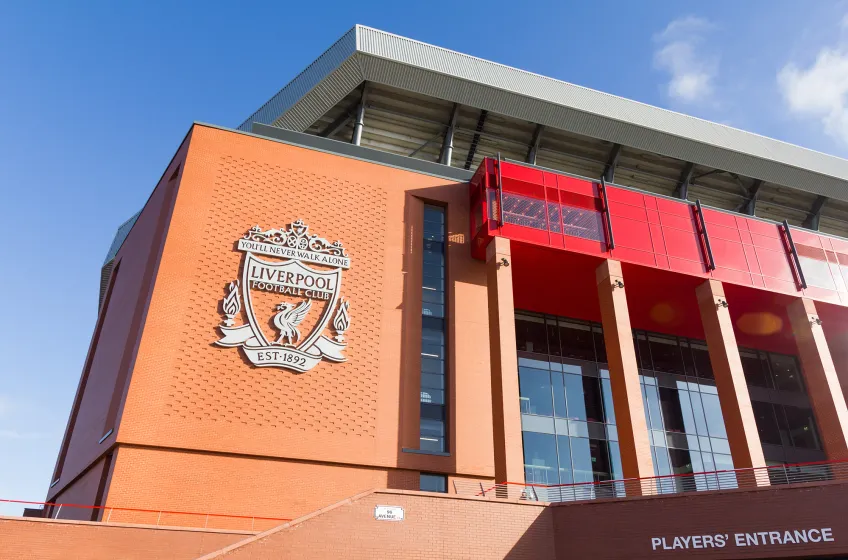
Anfield Stadium, located about two miles north of Liverpool city centre, is the historic home of Liverpool Football Club (LFC), one of the most successful football clubs in England and Europe. Opened in 1884, originally as the ground of Everton FC, it became home to Liverpool FC in 1892 when the club was founded. Since then, Anfield has grown into one of the most iconic football stadiums in the world, famous not only for the matches played there but also for the atmosphere generated by supporters.
The stadium today has a capacity of over 54,000, following major redevelopments in the 21st century, with further expansion plans to increase capacity to more than 60,000. It is more than just a sports venue: Anfield has become a pilgrimage site for football fans, known for the “This Is Anfield” sign, the Shankly Gates, and the sound of supporters singing You’ll Never Walk Alone.
Recommended hotels near Anfield Stadium
Pre-book Liverpool Anfield stadium tours and museum admission
Why is Anfield Worth a Visit?
Visiting Anfield is worthwhile for both football supporters and those interested in Liverpool’s cultural life. For fans of the game, it is one of the most atmospheric stadiums in world football, with a history that includes 19 league titles, six European Cups/Champions League trophies, and countless memorable matches.
The stadium is deeply tied to the identity of Liverpool as a city, with its history reflecting not only sporting success but also the passion, resilience, and pride of the local community. The Anfield Experience, which includes stadium tours and the museum, gives visitors the chance to go behind the scenes, walk through the players’ tunnel, and see the pitch from the manager’s dugout.
Even for those with little knowledge of football, Anfield is a landmark of modern sporting culture. Its atmosphere on match days is world-renowned, while on non-match days it serves as a museum, exhibition space, and community venue.
Anfield Highlights
The Stadium Tour
The official LFC Stadium Tour offers behind-the-scenes access to areas normally reserved for players and officials. Highlights include:
-
The home and away dressing rooms, complete with players’ shirts.
-
Walking through the players’ tunnel and touching the famous “This Is Anfield” sign.
-
Sitting in the manager’s dugout and taking in the view of the pitch.
-
Visiting the press room, where post-match interviews take place.
The tour is accompanied by multimedia guides in several languages, and knowledgeable staff are on hand to share stories about the club’s history.
The Kop
The Spion Kop (usually referred to simply as "The Kop") is the most famous stand in Anfield, known for its passionate supporters and atmosphere. On match days, it is the source of some of the loudest and most iconic singing in world football, including renditions of the club anthem You’ll Never Walk Alone. Even outside matches, standing in the empty Kop is a powerful experience.
LFC Museum and The Boom Room
The Liverpool FC Story Museum traces the club’s history from its foundation in 1892 to the present day. It displays trophies, memorabilia, and artefacts from past players and managers. The highlight is the Steven Gerrard Collection, showcasing personal items from the career of the former captain.
The museum also features “The Boom Room: The Epic Story of Jurgen Klopp’s Dream Team,” which celebrates the club’s recent successes under Klopp, including the 2019 Champions League and 2020 Premier League triumphs.
The Shankly Gates and Paisley Gateway
Outside the stadium, the Shankly Gates, dedicated to legendary manager Bill Shankly, and the Paisley Gateway, commemorating Bob Paisley, are important landmarks. They symbolise the heritage and traditions of the club, with inscriptions such as “You’ll Never Walk Alone.”
Hillsborough Memorial
Anfield is also the site of the Hillsborough Memorial, which honours the 97 Liverpool supporters who lost their lives in the 1989 stadium disaster. The memorial, featuring an eternal flame, is a place of reflection and remembrance for visitors and fans alike.
Match Day Experience
For those lucky enough to attend a game, the atmosphere at Anfield is unrivalled. From the singing of You’ll Never Walk Alone before kick-off to the intensity of the crowd during the match, it is an experience considered by many to be one of the greatest in world sport. Match tickets are in high demand, often requiring advance planning or membership to secure.
Hospitality and Events
Anfield also offers hospitality packages, allowing guests to combine match tickets with dining experiences. On non-match days, the stadium hosts conferences, banquets, and private events in its modern hospitality suites.
Facilities
Anfield is a modern stadium with facilities designed for large crowds. There are multiple entrances, ticket offices, and turnstiles for both home and away fans. On-site facilities include:
-
Food and drink outlets offering a mix of hot meals, snacks, and beverages.
-
The LFC Official Club Store, selling kits, scarves, souvenirs, and exclusive merchandise.
-
Toilets and baby-changing areas.
-
Accessibility services, including wheelchair seating, accessible toilets, and match-day assistance.
Stadium tours, museum access, and the retail store operate on non-match days, though opening hours vary. Audio guides and multilingual support are available for international visitors.
Nearby Attractions
Anfield is located in a residential part of Liverpool, but there are several nearby and city-centre attractions:
-
Goodison Park: Home of Everton FC, located less than a mile away, making Liverpool one of the few cities with two major stadiums so close together.
-
Stanley Park: A large Victorian park between Anfield and Goodison Park, ideal for pre- or post-visit walks.
-
Liverpool City Centre: A short bus or taxi ride away, with attractions such as the Royal Albert Dock, Museum of Liverpool, Tate Liverpool, and The Beatles Story.
-
Liverpool Cathedral and Metropolitan Cathedral: Two contrasting but equally striking places of worship.
-
Cavern Quarter: Famous for its live music venues, including the Cavern Club where The Beatles first rose to fame.
Practical Advice
-
Tickets and Tours: Stadium tours and museum tickets can be booked online through Liverpool FC’s official website. Booking in advance is recommended, especially during weekends, holidays, and the football season. Match tickets are harder to obtain, with priority usually given to members and season ticket holders.
-
Opening Times: The stadium tours and museum are open most days, except on match days and occasionally the day before European fixtures.
-
Getting There: Anfield does not have its own train station, but is accessible via bus services from Liverpool city centre. The nearest mainline station is Liverpool Lime Street, about two miles away. Parking is limited around the stadium, especially on match days, so public transport is advised.
-
Match Days: Arrive early to soak up the atmosphere and visit surrounding pubs, cafes, or fan zones. Security checks are in place, and large bags are not permitted.
-
Accessibility: The stadium is equipped with accessible entrances, lifts, and viewing areas. Assistance dogs are permitted, and match-day stewards are trained to support visitors with additional needs.
Conclusion
Anfield Stadium is more than a sports venue – it is a cultural and historic landmark, central to the identity of both Liverpool FC and the city itself. With its mix of rich football heritage, emotional memorials, and modern facilities, it offers visitors a powerful insight into one of the world’s great football clubs. Whether attending a match, touring the stadium, or exploring the museum, a visit to Anfield provides an unforgettable experience that captures the passion and history of Liverpool.
Shortlist
- Your Shortlist is empty