
A Visitor's Introduction to Liverpool's Albert Dock
The Royal Albert Dock Liverpool is one of the city’s most important historic and cultural landmarks. Opened in 1846, it was a revolutionary dock complex, built entirely from cast iron, brick, and stone without any structural wood, making it the first of its kind in Britain. Designed by engineer Jesse Hartley, the Albert Dock was used for handling valuable cargo such as cotton, tea, silk, and tobacco, reflecting Liverpool’s status as one of the busiest ports in the world during the 19th century.
After decades of decline following the mid-20th century, the dock underwent significant regeneration in the 1980s and has since become a thriving hub for museums, galleries, shops, restaurants, and cultural attractions. Today it is one of the most visited multi-use heritage sites in the UK and forms part of the wider Liverpool Maritime Mercantile City UNESCO World Heritage Site (2004–2021). Its combination of maritime history and modern leisure facilities makes it a key destination for visitors to Liverpool.
Recommended Hotels Near Albert Dock
Pre-book Liverpool Attractions, Tours & Experiences
Why is Royal Albert Dock Worth a Visit?
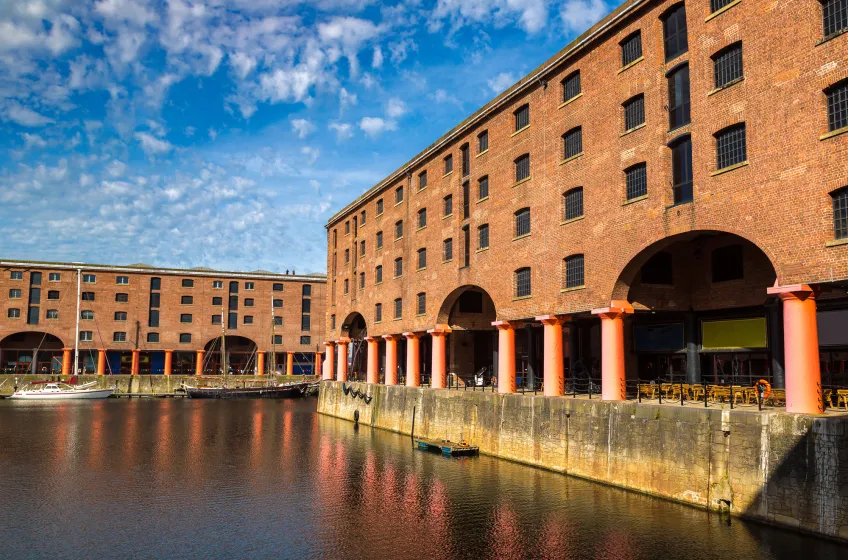
The Royal Albert Dock is worth visiting for its unique combination of history, architecture, and culture. Architecturally, the dock is a striking example of 19th-century industrial design, with its massive brick warehouses and cast-iron columns still dominating the waterfront. It is the largest single collection of Grade I listed buildings in the country, underlining its national importance.
Culturally, the dock is home to several major museums and galleries, including the Merseyside Maritime Museum, International Slavery Museum, and Tate Liverpool, making it one of the city’s leading heritage quarters. At the same time, the dock has been revitalised with modern shops, cafes, bars, and restaurants, creating a lively environment where heritage and contemporary life coexist.
Its location on the Liverpool waterfront means the Royal Albert Dock is also an excellent starting point for exploring the wider city. The open quaysides, views across the River Mersey, and busy event programme ensure that there is always something to see or do.
Royal Albert Dock Highlights
The Architecture
The dock itself is an attraction. Its warehouses and enclosed quays represent an engineering breakthrough of the Victorian period. Visitors can walk around the colonnaded quaysides, admire the massive red-brick structures, and see how the site has been adapted from working dock to cultural destination.
Merseyside Maritime Museum
This museum explores Liverpool’s maritime history, from its role in global trade to its connections with migration and conflict. Exhibitions include ship models, artefacts, and accounts of seafaring life. A highlight is the Titanic exhibition, which explains Liverpool’s links to the ill-fated ship.
International Slavery Museum
Housed within the Maritime Museum building, the International Slavery Museum confronts the history and legacy of the transatlantic slave trade. Exhibits cover Liverpool’s involvement, the wider human impact, and the ongoing struggle against racism and modern slavery. It is one of the most significant museums of its kind in the world.
Tate Liverpool
Tate Liverpool is one of the UK’s major art galleries outside London, showcasing modern and contemporary art from the Tate collection alongside temporary exhibitions. The gallery attracts major international shows and provides a cultural counterpoint to the dock’s historical attractions.
The Beatles Story
The Beatles Story is a dedicated museum tracing the history of the city’s most famous band. It uses immersive exhibitions, memorabilia, and reconstructions to tell the story of the Beatles’ rise to global fame. Located within the dock complex, it is a major attraction for music fans.
Shops, Cafes, and Restaurants
The Royal Albert Dock offers a wide variety of independent boutiques, gift shops, and galleries alongside dining options ranging from casual cafes to restaurants serving international cuisine. Waterside bars and eateries make it a popular spot both during the day and in the evening.
Public Art and Open Spaces
The dock regularly hosts public art installations, festivals, and live events. Its open courtyards and quaysides are accessible free of charge and provide a pleasant environment for walking, photography, or simply enjoying the waterfront views.
Facilities
The Royal Albert Dock is designed for modern visitors while retaining its heritage character. Facilities include public toilets, accessible entrances, and seating areas around the quays. Many of the attractions within the dock, including the museums and galleries, are free to enter.
Car parking is available at the dock, including spaces for visitors with disabilities. The site is pedestrian-friendly, with flat, wide paths suitable for wheelchairs and prams. There are also bike racks and good public transport links.
Cafes and restaurants serve a range of options from snacks to full meals. The dock is open to the public at all times, though individual attractions and businesses keep their own opening hours.
Nearby Attractions
The Royal Albert Dock is centrally located on Liverpool’s waterfront, making it close to other key attractions:
-
Pier Head: Just a short walk north, with the Three Graces, the Museum of Liverpool, and the Mersey Ferries.
-
Liverpool ONE: A major shopping, dining, and entertainment district located just inland from the dock.
-
The Cavern Quarter: Centred on Mathew Street, this area is associated with The Beatles and live music venues.
-
Liverpool Cathedral and Metropolitan Cathedral: Both are within walking distance and offer striking architectural contrasts.
-
Walker Art Gallery and World Museum: Cultural institutions located near Lime Street Station.
Practical Advice
The Royal Albert Dock is open year-round, with free public access to its quaysides and courtyards. Museums, galleries, and attractions have varying opening times, so it is advisable to check individual websites before visiting.
Most of the museums, including the Maritime Museum and International Slavery Museum, are free to enter, while the Beatles Story and some exhibitions at Tate Liverpool charge admission.
The dock can be busy during weekends and school holidays, especially in summer and during major events. Early arrival or visiting on weekdays may provide a quieter experience.
The area is easily accessible on foot from Liverpool Lime Street station (about 20 minutes) or James Street station (10 minutes). Local buses and city sightseeing tours also stop nearby.
As much of the dock is outdoors, visitors should dress appropriately for the weather. Comfortable footwear is recommended, as exploring the whole complex involves considerable walking.
Conclusion
The Royal Albert Dock Liverpool is a vibrant cultural quarter that successfully combines maritime heritage with contemporary attractions. Its unique architecture, world-class museums, and lively mix of shops and restaurants make it one of the city’s most appealing destinations. Whether exploring Liverpool’s seafaring past, enjoying modern art, learning about The Beatles, or simply strolling along the quays, visitors will find the dock a central part of the Liverpool experience.
Shortlist
- Your Shortlist is empty