
Discover Gard | A Visitor's Introduction to Gard
Recommended places to visit, places to stay and things to do in Gard
The Gard is a sun-drenched department in the Languedoc-Roussillon region of the South of France France, stretching from the Cévennes mountains in the north to the Mediterranean coast in the south. It’s named after the Gardon River and is steeped in history, natural beauty, and Provençal flair. From ancient Roman marvels to wild gorges and lavender-scented vineyards, Gard offers a diverse, relaxed, and richly rewarding travel experience. Whether you’re a history enthusiast, nature lover, wine fan, or someone simply looking to soak up the southern French lifestyle, Gard has something to enchant you.
Recommended Gard Accommodation: All Hotels 4&5 Star Luxury Hotels Budget Hotels Family-Friendly Hotels Boutique Hotels Spa & Wellness Hotels Bed & Breakfasts
Why is Gard Worth a Visit?
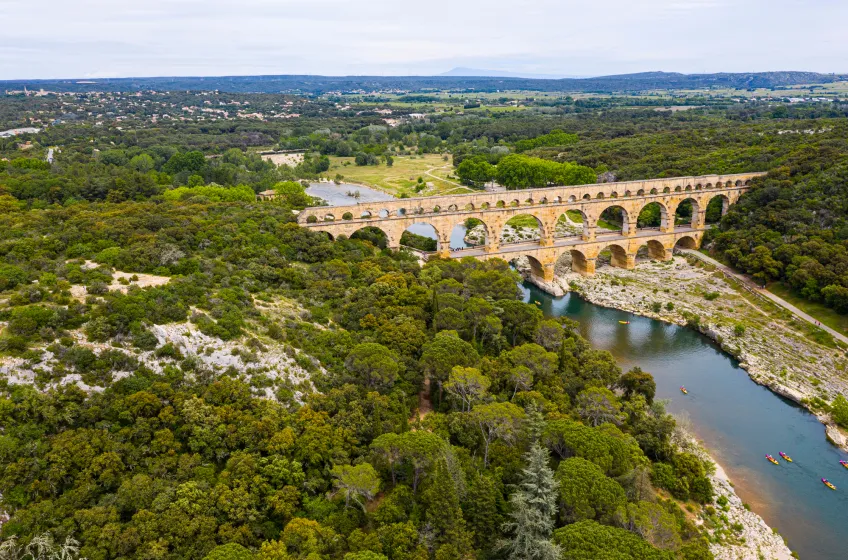
Gard is worth visiting for its remarkable combination of Roman heritage, unspoiled countryside, and authentic southern charm. It’s home to some of the best-preserved Roman sites in Europe, including the iconic Pont du Gard and the city of Nîmes, known as the "French Rome." But beyond the ancient wonders, Gard reveals a varied landscape of limestone hills, olive groves, marshes, rivers, and traditional villages.
The department also offers a slower, more authentic experience than more tourist-heavy parts of Provence, while still delivering warm weather, excellent food and wine, and charming markets. Whether you’re kayaking beneath Roman aqueducts, exploring medieval hilltop towns, or hiking in the wild Cévennes, Gard provides a sense of timelessness and tranquillity that’s hard to beat.
Gard Highlights: Things to See and Do in Gard
Pont du Gard
Arguably the most famous attraction in Gard, the Pont du Gard is a towering Roman aqueduct bridge built in the 1st century AD. Spanning the Gardon River near Vers-Pont-du-Gard, it is a UNESCO World Heritage Site and a testament to ancient engineering. You can walk across it, swim in the river below, or simply sit in its shadow and marvel at its grandeur.
There’s also a visitor centre, museum, and walking trails in the surrounding nature park. Arrive early in summer to avoid the crowds and heat, or visit in the evening when the site is beautifully lit.
Nîmes
The department’s capital, Nîmes, is packed with Roman relics, elegant architecture, and Mediterranean spirit. Highlights include:
-
The Arena (Arènes de Nîmes) – A beautifully preserved Roman amphitheatre still used for concerts and festivals.
-
Maison Carrée – One of the world’s best-preserved Roman temples.
-
Jardins de la Fontaine – A stunning formal garden surrounding the ancient Temple of Diana and the Tour Magne, a Roman watchtower with panoramic views.
Nîmes also boasts boutiques, restaurants, and excellent museums, including the Musée de la Romanité just opposite the arena.
Uzès
A charming and affluent town near the Pont du Gard, Uzès combines medieval beauty with Provençal elegance. Its stone streets, shady squares, and Renaissance mansions are a delight to explore. The Duché d’Uzès is the oldest ducal seat in France and still inhabited by nobility.
The Saturday market in Place aux Herbes is one of the best in the region—overflowing with cheeses, olives, local wines, lavender, and crafts. Uzès is also home to the Haribo Candy Museum, a quirky hit with families.
Anduze and the Bambouseraie
At the edge of the Cévennes, Anduze is a small town with a big personality. It’s known for its pottery and as the gateway to the scenic Bambouseraie de Prafrance, a vast botanical garden dedicated to bamboo, Asian plants, and exotic trees—a truly unique experience in the south of France.
From Anduze, you can also catch the Train à Vapeur des Cévennes, a historic steam train that runs through the mountains to Saint-Jean-du-Gard, offering a scenic and nostalgic ride.
Aigues-Mortes and the Camargue
In the south of Gard lies Aigues-Mortes, a walled medieval town once a Crusader port, now stranded inland due to changes in the coastline. Its ramparts and towers are incredibly well-preserved, and you can walk the full circuit for panoramic views of the salt marshes and the Camargue.
Nearby, the Salins du Midi produce vivid pink salt lakes, best seen in summer, and you can take guided tours or even e-bike through the marshlands. The Camargue is also known for its wildlife—white horses, black bulls, and pink flamingos are often spotted in the region.
The Cévennes National Park
The Cévennes stretch across northern Gard and into neighbouring departments, offering a rugged and wild landscape ideal for hiking, biking, and adventure. The park is a UNESCO Biosphere Reserve and includes gorges, caves, rivers, and forests.
Highlights include:
-
Mont Aigoual, the highest point in Gard, with a weather observatory and stunning views.
-
Gorges du Tarn and Gorges de la Cèze, great for kayaking, swimming, and cliffside walks.
-
La Grotte de Trabuc, a cave complex near Mialet filled with underground lakes and fascinating rock formations.
Vézénobres
This hilltop village near Alès is one of Gard’s hidden treasures, with cobbled streets, medieval houses, and views over the Gardon valley. It has a long tradition of fig growing and even hosts a Maison de la Figue, a museum dedicated to the local fruit. In late summer, the Fête de la Figue celebrates all things fig with tastings, markets, and live music.
Sommières
A picturesque town straddling the Vidourle River, Sommières is full of Roman and medieval charm. Its Roman bridge, still in use today, and its lovely old town centre with stone arcades and cafés make it a perfect stop for a relaxed day trip.
Saturday is market day, and it's one of the liveliest in Gard, with a strong local following. Nearby vineyards produce excellent Costières de Nîmes wines.
Alès
Often considered the “capital of the Cévennes,” Alès is an active town with good amenities and access to the mountains. While it’s not as picturesque as Nîmes or Uzès, it’s a good base for outdoor activities, hiking, and river sports.
Don't miss the Jardin du Bosquet for a pleasant park walk, or head into the nearby hills for a more rugged escape.
Practical Advice for Visitors
Getting There
By Air: The closest major airports are Nîmes-Alès-Camargue-Cévennes Airport (mostly Ryanair flights), Montpellier, and Avignon. Larger hubs like Marseille and Toulouse are within 2–3 hours’ drive.
By Train: Nîmes is a regional rail hub with high-speed TGV links to Paris (under 3 hours), Lyon, and Marseille. Local TER trains connect Nîmes to Uzès, Alès, Beaucaire, and beyond.
By Car: Having a car is the best way to explore Gard fully, especially if you want to get off the beaten path. Major roads like the A9 motorway (La Languedocienne) run east-west across the department.
Parking
Most towns offer free or affordable public parking. Nîmes and Uzès have underground and edge-of-town car parks with easy pedestrian access to the centres. In high season, popular tourist spots like Pont du Gard or Aigues-Mortes get busy, so arrive early or later in the afternoon.
Dining
Gard’s cuisine is hearty, sun-infused, and rooted in tradition. Local specialities include:
-
Brandade de Nîmes (a creamy cod spread),
-
Gardianne de taureau (a rich bull stew from the Camargue),
-
Pelardon (a soft goat’s cheese from the Cévennes),
-
and of course, dishes incorporating figs, olives, and herbes de Provence.
Excellent restaurants can be found in Uzès, Nîmes, and even small villages. Look for bistrot du terroir signs, which indicate restaurants using local, seasonal ingredients. Vineyards near Tavel, Costières de Nîmes, and Duché d’Uzès offer tastings and often have wine-paired menus.
Shopping
Gard’s markets are legendary. The Saturday market in Uzès and the Wednesday market in Nîmes are vibrant affairs, packed with stalls selling cheese, wine, lavender, soaps, textiles, and pottery.
For artisanal gifts, check out:
-
Pottery from Saint-Quentin-la-Poterie
-
Olive oil and tapenade from local mills
-
Fig products from Vézénobres
-
Natural cosmetics and soaps from Cévennes makers
When to Visit
Spring (April–June) and autumn (September–October) are ideal times to visit Gard. The weather is warm, flowers are in bloom, and the crowds are fewer than in peak summer.
July and August are hot and lively, especially near the coast and major attractions. Perfect for festivals and beach trips, but accommodation prices peak.
Winter is mild in the lowlands but chilly in the Cévennes. It’s quiet, atmospheric, and good for exploring Roman sites without crowds.
Local Events
-
Feria de Nîmes (May & September): A vibrant bullfighting festival with parades, concerts, and street parties.
-
Fête de la Figue in Vézénobres (August/September): Celebrates the town’s fig-growing heritage with tastings and music.
-
Pont du Gard Light Show (Summer evenings): An enchanting sound-and-light display projected onto the aqueduct.
-
Jazz à Junas (July): An intimate and atmospheric jazz festival held in an old stone quarry near Sommières.
Exploring Beyond Gard
If you’re based in Gard, several nearby destinations make great day trips:
-
Arles (1 hour): Roman ruins, Vincent van Gogh sites, and Camargue culture.
-
Avignon (1 hour): Papal history, bridges, and a thriving arts scene.
-
Montpellier (45 mins): A lively university city with modern art and excellent dining.
To the north, the Lozère and Gorges du Tarn offer even wilder mountain landscapes, while the Hérault to the west provides more vineyards and river gorges.
Gard is one of France’s most rewarding yet underappreciated destinations. With its Roman ruins, medieval towns, wild mountain trails, and sunlit markets, it blends history and nature in perfect balance. Whether you’re canoeing beneath ancient arches, sampling goat cheese in a hilltop village, or sipping wine in a shaded square, Gard invites you to experience the very soul of southern France.
Shortlist
- Your Shortlist is empty