
Discover Pont du Gard | A Visitor's Introduction to Pont du Gard
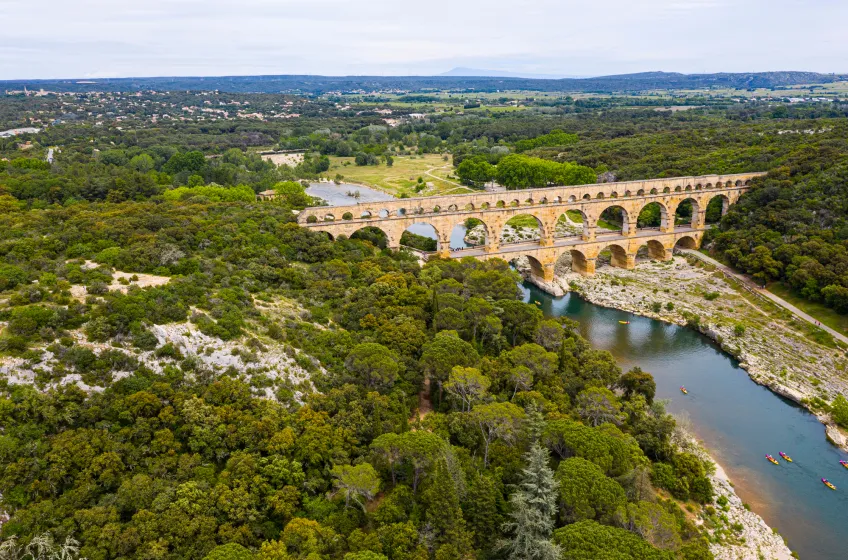
The Pont du Gard is a breathtaking Roman aqueduct bridge spanning the Gardon River in southern France, located between Nîmes and Avignon in the Occitanie region. A UNESCO World Heritage Site and one of France’s most visited landmarks, this extraordinary structure is a marvel of ancient engineering and a stunning example of how history and nature can coexist in harmony.
Surrounded by fragrant garrigue (scrubland), crystal-clear riverbanks, and miles of scenic trails, the Pont du Gard is more than just a monument—it’s a destination in itself. Whether you're a history lover, nature walker, photographer, or simply someone in search of a peaceful picnic spot, the Pont du Gard delivers an unforgettable experience in the heart of Provence.
Recommended Pont du Gard Accommodation: Hotels Bed & Breakfasts
Why is Pont du Gard Worth a Visit?
The Pont du Gard is worth visiting because it is one of the most impressive and best-preserved pieces of Roman engineering anywhere in the world. Built in the first century AD, it once carried water over 50 kilometres from a spring in Uzès to the Roman colony of Nemausus (modern-day Nîmes). At nearly 50 metres high and composed of three tiers of precisely placed stone arches, the aqueduct is both functional and aesthetically magnificent.
Beyond the monument itself, the surrounding site offers a full day of enjoyment. There are walking trails, river swimming spots, interactive museums, and scenic viewpoints. It’s not only a place to admire history, but also to relax, explore, and enjoy the slower pace of life in southern France. It appeals to all ages and interests, making it an excellent stop whether you’re touring Roman sites, visiting the Languedoc-Provence border, or planning a family outing.
Pont du Gard Highlights: Things to See and Do at the Pont du Gard
The Aqueduct Bridge
The main draw is, of course, the aqueduct bridge itself. The Pont du Gard is the tallest Roman aqueduct in the world and spans 275 metres across the river, composed of massive limestone blocks without the use of mortar. Walking beneath the arches gives a true sense of its scale and craftsmanship. From the right bank, follow the path up to the higher levels for panoramic views of the structure and surrounding valley.
You can also walk across the top level (usually via a guided tour), which once carried the water channel. Seeing the inner workings of the aqueduct is a remarkable glimpse into Roman ingenuity.
The River Gardon
The Gardon River beneath the aqueduct is a popular place to relax, especially in summer. Its clear, shallow waters are perfect for paddling, swimming, or simply lounging on the rocky banks. Bring a picnic or pick up snacks from the onsite cafés and enjoy lunch with the aqueduct as your backdrop. For the more adventurous, kayaking down the Gardon under the Pont du Gard is an unforgettable experience and offers spectacular photo opportunities.
Museum and Ludo Area
The Pont du Gard Museum, located underground near the visitor centre, is modern and engaging. It offers detailed displays about Roman construction techniques, daily life in Roman Gaul, and the importance of water in ancient civilisations. There's a scale model of the aqueduct and hands-on exhibits ideal for curious minds.
Families with children will appreciate the Ludo area—a discovery space with interactive games and activities focused on water, history, and nature. It’s informative, fun, and very well done.
The Mémoires de Garrigue Trail
For a deeper connection to the landscape, take the Mémoires de Garrigue trail—a walking path through the typical Mediterranean garrigue scrubland that surrounds the site. Along the way, interpretive panels and installations explain traditional farming techniques, olive cultivation, dry-stone walls, and the relationship between humans and this land over thousands of years.
It’s a peaceful, aromatic walk with lovely viewpoints and adds cultural depth to your visit beyond the Roman aqueduct.
Light Shows and Events
During the summer months, the Pont du Gard comes alive with evening events, including the famous "Les Féeries du Pont"—a spectacular light and sound show projected onto the aqueduct, often accompanied by live music or fireworks. These events attract large crowds and create a magical, unforgettable atmosphere under the stars.
Other seasonal events include open-air cinema nights, concerts, and cultural festivals that take full advantage of the dramatic setting.
Scenic Lookouts and Photo Spots
Don't miss the various lookouts on both sides of the river. The Belvédère, located on the left bank, offers one of the most iconic views of the Pont du Gard rising above the tree canopy and river. Early morning or late afternoon light is especially photogenic, with golden hues bringing out the texture of the limestone.
Bring your camera or smartphone—this is one of France’s most Instagrammable historical sites.
Practical Advice for Visitors
Getting There
The Pont du Gard is located between Uzès and Remoulins, roughly 25 km from Nîmes, 30 km from Avignon, and 35 km from Arles. If you have a car, it’s easily reached via the D981 or A9 motorway, with well-signposted routes.
By public transport, you can take a train to Nîmes or Avignon, then a regional bus (Line B21 or shuttle services in high season) to Remoulins, followed by a short walk or taxi to the site. While doable, public transport options are less frequent outside peak months.
Parking
There are large car parks on both banks of the river, included in the ticket price. The main entrance and visitor centre are on the left bank, but the right bank also has direct access to the aqueduct and trails, plus a quieter atmosphere. Parking is secure and suitable for both cars and campervans.
Opening Hours and Tickets
The site is open year-round, though hours vary by season. The aqueduct itself is always accessible, but entry to the museum, exhibitions, and guided tours may follow seasonal schedules. Check current opening hours and admission charges.
Dining
There are cafés and snack bars on site offering sandwiches, salads, drinks, and ice cream. Alternatively, bring your own picnic—there are plenty of shaded areas near the river and in the garrigue. If you're looking for a more refined meal, nearby villages such as Castillon-du-Gard, Remoulins, or Vers-Pont-du-Gard have charming restaurants and wine bars with local specialities like brandade de morue, gardiane de taureau, and Pélardon cheese.
What to Bring
-
Comfortable walking shoes (some trails are uneven)
-
Sunscreen and a hat—shade is limited in summer
-
Water bottles (there are fountains on site)
-
Swimwear and towels if you plan to swim
-
Binoculars if you’re into birdwatching—herons, kingfishers, and eagles are often seen
Accessibility
The main walkways, museum, and lower levels of the site are wheelchair accessible. However, the upper trails and guided walks over the top tier of the aqueduct require a moderate level of fitness and are not suitable for those with limited mobility.
Best Time to Visit
Spring (April–June) and early autumn (September–October) are the best times to visit—mild temperatures, blooming wildflowers, and fewer crowds. Summer brings the most activity, with events and warm river swims, but also higher visitor numbers and heat.
To enjoy the site in peace, try visiting early in the morning or late in the afternoon. Winter is quieter and atmospheric, though some facilities may have reduced hours.
Exploring Beyond Pont du Gard
If time allows, consider exploring the nearby towns and countryside:
Uzès (15 km away) is a jewel of a town with a ducal palace, winding medieval streets, and one of the best outdoor markets in the region (especially on Saturdays).
Nîmes (25 km) and its Roman heritage are a perfect pairing with the Pont du Gard. Visit the Arènes, Maison Carrée, and the Musée de la Romanité.
Avignon (30 km) offers the majestic Palais des Papes and the famous Pont d’Avignon, making for an easy day trip.
The Gardon Gorges, upriver from the aqueduct, are excellent for kayaking, hiking, and wildlife spotting. These quieter stretches offer a wilder, more natural experience.
The Pont du Gard isn’t just a stop on a tourist route—it’s a place where history, nature, and modern leisure come together seamlessly. Whether you're gazing up at its stone arches, floating in the river below, or following ancient paths through olive groves and limestone hills, you’ll find that the Pont du Gard has a rare and enduring magic. It's a must-see that captures the essence of Roman genius and the beauty of the southern French landscape in one unforgettable setting.
Shortlist
- Your Shortlist is empty