
Discover East Netherlands | A Visitor's Introduction to East Netherlands
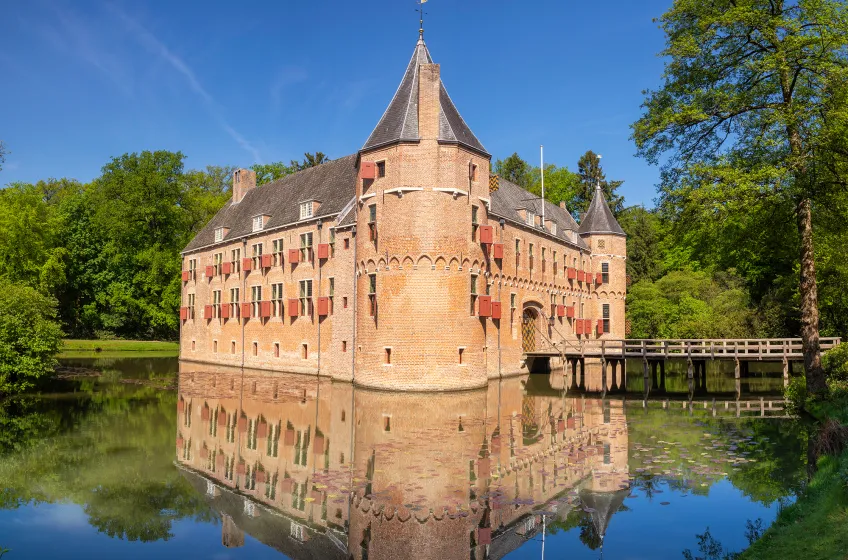
East Netherlands is a diverse and picturesque region encompassing the provinces of Gelderland, Overijssel, and Flevoland. Stretching from the forests of the Veluwe to the riverlands of the IJssel and the meadows of Twente, this area offers a quieter, greener, and more traditional Dutch experience. East Netherlands is ideal for travellers looking to escape the tourist crowds, delve into regional culture, explore stunning natural landscapes, and enjoy slow travel through villages, castles, forests, and charming old towns.
Recommended East Netherlands Accommodation: Hotels Bed & Breakfasts
Why is East Netherlands Worth a Visit?
East Netherlands is worth visiting for its balance of scenic beauty, deep-rooted traditions, and historical richness. This is a part of the Netherlands where time seems to move a little slower, where bicycles outnumber cars and thatched-roof farmhouses still dot the landscape. It’s a region that rewards curiosity—whether you're wandering through ancient woodlands, exploring medieval Hanseatic towns, or stopping at a farm shop selling local honey and cheeses.
Unlike the western cities of Amsterdam, Rotterdam and The Hague, East Netherlands offers a much more tranquil and grounded Dutch experience. With fewer international tourists, you’ll find a stronger connection to local life, culture, and nature. It’s perfect for walkers, cyclists, families, and anyone keen to see another side of the Netherlands—one that’s just as beautiful, but more peaceful and authentic.
East Netherlands Highlights: Things to See and Do in East Netherlands
The Veluwe National Park
One of the Netherlands’ most beloved natural areas, the Veluwe is a vast expanse of forest, heathland and sand dunes located in Gelderland. It’s a haven for wildlife, including red deer, wild boar, and hundreds of bird species. Visitors can hike, cycle or explore on one of the park’s famous free white bicycles. Don’t miss the Kröller-Müller Museum within the park, which holds an exceptional collection of Van Gogh paintings and an extensive outdoor sculpture garden.
Deventer
Deventer is a beautiful Hanseatic city on the banks of the IJssel River. Its historic centre is full of cobbled lanes, medieval buildings, and traditional Dutch gables. Known for its literary heritage and cultural events, Deventer hosts the popular Dickens Festival each December, turning the town into a 19th-century Christmas scene. The central square, Brink, is filled with cafés, boutiques, and markets, making it a delightful place to explore.
Zutphen
Zutphen is another Hanseatic gem, with an almost fairy-tale old town full of towers, moats, and churches. It’s particularly known for its bookshops and antique stores, as well as its peaceful riverfront and charming courtyards. Zutphen's well-preserved medieval streets invite aimless wandering, and the city's relaxed pace makes it a great spot for slow travel and riverside cafés.
Giethoorn
Often called the "Dutch Venice," Giethoorn is a unique and photogenic village in Overijssel, where canals replace roads and transport is by boat, bike or on foot. With its thatched cottages, arched wooden bridges, and peaceful waterways, Giethoorn is one of the most charming spots in the region. Rent a whisper boat or take a guided tour to glide past flower-filled gardens and scenic vistas.
Arnhem
Arnhem is a city of contrasts—historic yet modern, urban yet close to nature. It was heavily damaged during WWII but rebuilt with creativity and energy. Highlights include the Open Air Museum, where you can explore traditional Dutch buildings from across the country, and Burgers’ Zoo, one of the most innovative in Europe. Arnhem also offers great shopping, riverside parks, and a poignant visit to the John Frost Bridge, central to the Battle of Arnhem.
Twente Region
The Twente region in eastern Overijssel is a peaceful, rural area known for its gentle hills, forests, and agricultural heritage. It’s a fantastic region for cycling and walking, with well-marked routes and charming villages like Ootmarsum, a centre for regional art and folk traditions. Twente also prides itself on its local produce—visit farm shops, breweries and cheese makers for a real taste of the countryside.
Apeldoorn and Paleis Het Loo
Apeldoorn is a green and spacious city at the edge of the Veluwe, best known for Paleis Het Loo, a former royal palace surrounded by baroque gardens and woodlands. The palace has been transformed into a national museum, offering insight into Dutch royal history and life in the 17th century. Apeldoorn itself is a lovely town for shopping and dining, with easy access to hiking trails and nature reserves.
Hanzesteden (Hanseatic Towns)
The east of the Netherlands is dotted with historic Hanseatic towns, each with their own character and charm. Kampen, Harderwijk, Elburg, and Hattem all grew wealthy through trade along the IJssel and Zuiderzee, and they’ve retained their cobbled streets, old guild houses, and waterside ambience. These towns are ideal for day trips, each offering a mix of museums, galleries, traditional shops and lovely riverside walks.
Hoge Veluwe Sculpture Garden and Kröller-Müller Museum
Within the Veluwe National Park lies one of Europe’s largest sculpture gardens, surrounding the Kröller-Müller Museum. Here, modern art meets nature, with works by Rodin, Hepworth and others scattered across lawns, woodland and clearings. The museum itself holds an outstanding Van Gogh collection, second only to the Van Gogh Museum in Amsterdam.
Salland Hills National Park
This lesser-known national park in Overijssel offers peaceful hiking and cycling through rolling heathlands, woodlands and sand dunes. It’s particularly beautiful in late summer when the heath turns purple. Villages like Hellendoorn and Nijverdal provide charming bases for exploring the park and enjoying local food and hospitality.
Practical Advice for Visitors
Getting There
East Netherlands is easily accessible by train and road. Trains from Amsterdam to cities like Arnhem, Apeldoorn, Zwolle and Deventer take between one and two hours. The A1 and A12 motorways provide direct access from the west. Most towns and villages in the region are well-served by local trains and buses, but to explore the countryside, it’s worth hiring a car or using the excellent cycling network.
Parking
Parking in most East Netherlands towns is straightforward, with designated car parks and affordable fees. In popular cities like Arnhem or Deventer, park on the edge of the centre and walk or use local buses. Smaller villages and rural attractions often have free or low-cost parking.
Dining
The region’s cuisine is hearty, local, and satisfying. Expect dishes based on game, stews, pancakes, smoked sausages and farm-fresh vegetables. Cheese, honey, and locally brewed beers are popular regional specialities. You’ll find excellent cafés in towns like Zutphen and Deventer, while rural areas feature pancake houses, historic inns and family-run restaurants serving seasonal menus.
Shopping
East Netherlands is a great place to shop for artisan crafts, vintage goods and local produce. Farmers’ markets are common, particularly in Apeldoorn, Zwolle and Enschede. Look out for traditional wooden toys, Dutch cheeses, books, regional beers, and handcrafted goods. Ootmarsum and Zutphen are especially good for independent shops and galleries.
When to Visit
Spring and summer are ideal for visiting East Netherlands, with long daylight hours, blooming countryside and plenty of festivals and open-air events. Autumn brings beautiful woodland colours and quieter trails, while winter has its own appeal, especially in festive towns like Deventer. April and May are perfect for tulip fields, and late summer is great for cycling and exploring nature parks.
Local Events
East Netherlands hosts a range of local events that reflect its culture and heritage. The Dickens Festival in Deventer in December is one of the most atmospheric Christmas events in the country. Liberation commemorations in Arnhem each September recall the events of WWII. There are also medieval fairs, art walks in Ootmarsum, and the Zwolle Stadsfestival in late summer. In the countryside, summer brings local markets, farm days, and music events.
Exploring Beyond East Netherlands
From East Netherlands, it’s easy to explore other Dutch highlights. Utrecht and Amsterdam are close by for urban day trips. To the north, the Drents-Friese Wold and Hunebedden (prehistoric stone tombs) in Drenthe offer a glimpse into ancient Dutch history. You can also cross into Germany for a day trip to Münster or Osnabrück, both just a short drive away.
East Netherlands may be less known than the big cities of the west, but it’s no less rich in beauty, culture and charm. Whether you’re walking through a pine forest, sailing down a quiet river, or discovering the stories of a centuries-old town, this region offers a peaceful, scenic and deeply rewarding experience that will linger long after your visit.
Shortlist
- Your Shortlist is empty