
Discover Gelderland | A Visitor's Introduction to Gelderland
Recommended places to visit, places to stay and things to do in Gelderland
Gelderland is the largest province in the Netherlands, stretching across the central and eastern part of the country. Known for its diverse landscapes – from the rolling woodlands of the Veluwe to the river plains of the Betuwe – it combines natural beauty with historic towns, grand castles, and lively cultural scenes. Bordering Germany to the east, it’s a place where Dutch and cross-border influences mingle, and where you can spend one day hiking in forested dunes and the next exploring medieval streets or royal palaces. Gelderland offers something for every type of traveller, whether you’re seeking outdoor adventures, heritage sightseeing, or peaceful countryside escapes.
Recommended Gelderland Accommodation: Hotels
Why is Gelderland Worth a Visit?
Gelderland is worth visiting for its sheer variety. It’s home to the Netherlands’ largest national park, the country’s former royal palace, some of its most picturesque river landscapes, and a wealth of museums and historic cities. The province is less densely populated than the Randstad, so you’ll find wide open spaces, charming villages, and quiet cycling paths alongside bustling urban hubs like Arnhem and Nijmegen.
Nature lovers will be drawn to the Veluwe’s wildlife-rich forests and heathlands, culture enthusiasts to its castles and art museums, and families to its zoos and attractions. Gelderland also has a strong food tradition, with regional products like Betuwe fruit, wild game from the Veluwe, and locally brewed beers.
Gelderland Highlights: Things to See and Do in Gelderland
Hoge Veluwe National Park
This vast nature reserve of forests, heathlands, and sand dunes is perfect for hiking, cycling, and wildlife spotting. White bicycles are available free of charge throughout the park, making it easy to explore. The park is also home to the Kröller-Müller Museum, which houses an exceptional collection of Van Gogh paintings and a renowned sculpture garden.
Palace Het Loo (Paleis Het Loo)
Located in Apeldoorn, this former royal palace offers beautifully restored interiors, formal gardens, and exhibitions on Dutch royal history. The symmetrical gardens are particularly stunning in spring and summer.
Arnhem
Gelderland’s capital blends history with a stylish shopping and dining scene. The city is known for its role in Operation Market Garden during WWII, commemorated at the Airborne Museum Hartenstein in nearby Oosterbeek. Arnhem is also home to Burgers’ Zoo and the Netherlands Open Air Museum.
Nijmegen
The oldest city in the Netherlands, Nijmegen has a lively student atmosphere and a scenic location along the River Waal. Highlights include Roman history, the Valkhof Museum, and the annual International Four Days Marches, the world’s largest walking event.
Cannenburch Castle
This fairy-tale castle in Vaassen offers tours through furnished rooms and gardens, giving a glimpse into aristocratic life in centuries past. It’s surrounded by parkland perfect for a leisurely walk.
Betuwe Fruit Region
In spring, the Betuwe’s orchards explode with blossoms, creating some of the most beautiful cycling routes in the province. Later in the year, the fruit harvest brings festivals and markets celebrating apples, pears, and cherries.
Doorwerth Castle (Kasteel Doorwerth)
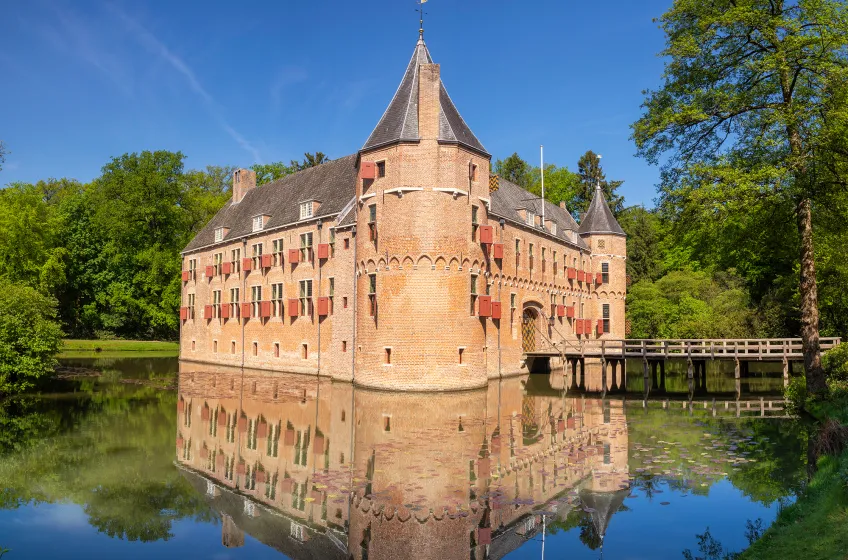
Set by the River Rhine and surrounded by floodplains, this medieval castle features a moat, historic interiors, and exhibitions on castle life and forestry.
Veluwezoom National Park
The Netherlands’ oldest national park offers rolling hills, purple heathlands in late summer, and viewpoints like the Posbank, which overlooks a sea of colour in August.
Deventer and Zutphen
Although officially on Gelderland’s edge or across provincial borders, these Hanseatic cities are easily visited and offer medieval streets, markets, and riverside charm. Zutphen, firmly in Gelderland, is especially noted for its historic warehouses and churches.
Practical Advice for Visitors
Getting There
Arnhem and Nijmegen are the main transport hubs, both well connected by train to Amsterdam (about 1–1.5 hours) and other major cities. By car, the A12 and A50 motorways provide easy access from the west. Cycling is a great way to explore rural areas, with excellent signage and flat to gently rolling terrain.
Parking
Most cities have designated car parks; in Arnhem and Nijmegen, parking garages near the centre are the easiest option. National parks have visitor centres with ample parking, though some areas charge a fee.
Dining
Gelderland’s cuisine features seasonal and local products. In autumn, menus in the Veluwe highlight venison and wild boar. The Betuwe offers fresh fruit dishes and pies, while riverside towns specialise in freshwater fish. De Echoput in Apeldoorn is famous for its wild game dishes, while Nijmegen and Arnhem boast excellent café culture.
Shopping
Arnhem’s “Modekwartier” (Fashion Quarter) is a hub for Dutch design, while Zutphen and Doesburg have antique shops and local crafts. Farmers’ markets throughout the province sell regional produce, cheeses, and fresh bread.
When to Visit
Spring is perfect for Betuwe blossoms and mild cycling weather. Summer is ideal for festivals, outdoor dining, and long walks in the national parks. Autumn brings golden forests and game season in the Veluwe. Winter is quieter but atmospheric, with castles and museums providing indoor interest.
Local Events
The Nijmegen Four Days Marches in July attract walkers from around the world. Arnhem hosts World Living Statues and fashion-related events, while fruit festivals in the Betuwe celebrate the harvest each September.
Exploring Beyond Gelderland
From Gelderland, you can easily visit Utrecht, Amsterdam, or Germany’s Lower Rhine region. The nearby Achterhoek area offers more rural cycling routes, and the IJssel River valley connects to the historic Hanseatic cities of the east.
Shortlist
- Your Shortlist is empty