
Discover Flevoland | A Visitor's Introduction to Flevoland
Recommended places to visit, places to stay and things to do in Flevoland
Flevoland is the youngest province of the Netherlands, a modern feat of engineering quite literally reclaimed from the sea. Created in the mid-20th century through one of the world’s largest land reclamation projects, it sits in the heart of the country, surrounded by the IJsselmeer and Markermeer lakes. What was once open water is now a patchwork of farmland, nature reserves, modern cities, and striking architecture. Flevoland offers a unique combination of futuristic urban design, innovative agriculture, and vast green spaces – plus a sense of space and sky that’s rare in the Netherlands.
Recommended Flevoland Accommodation: Hotels
Why is Flevoland Worth a Visit?
Flevoland is worth visiting for its one-of-a-kind history, striking landscapes, and modern attractions. It’s the only Dutch province entirely below sea level, created from the Zuiderzee through an ambitious series of polders and dikes. This origin story makes it a living monument to Dutch water management expertise.
Visitors can explore new cities like Almere and Lelystad, cycle through endless open landscapes, sail on the surrounding lakes, and visit unique attractions like the Aviodrome aviation museum or the orchards of the Noordoostpolder. The province also boasts remarkable nature areas such as the Oostvaardersplassen, where wild horses, deer, and rare birds roam. In spring, vast tulip fields bloom in colours that rival those of the more famous Bollenstreek – but with fewer crowds.
Flevoland Highlights: Things to See and Do in Flevoland
Oostvaardersplassen Nature Reserve
This vast wetland between Lelystad and Almere is one of the Netherlands’ most important nature areas. It’s home to Konik horses, red deer, cormorants, and sea eagles. Boardwalks and observation huts make it easy to explore, and guided tours are available for a deeper look into its ecology.
Aviodrome Aviation Museum (Lelystad)
A must for aviation enthusiasts, the Aviodrome features historic aircraft, interactive exhibits, and even a replica of Schiphol Airport as it looked in 1928. Visitors can step inside planes, including a Boeing 747, and learn about Dutch aviation history.
Bataviawerf and Batavia Stad (Lelystad)
Bataviawerf is a shipyard and museum where you can see – and board – a full-scale replica of the 17th-century VOC ship Batavia. Nearby, Batavia Stad Fashion Outlet offers brand-name shopping in a charming, village-style setting.
Tulip Route Flevoland (Noordoostpolder)
Each spring, Flevoland’s tulip fields burst into colour. The Tulip Route offers cycling and driving tours past vast swathes of red, yellow, pink, and purple blooms, with farm stops and photo spots along the way.
Schokland UNESCO World Heritage Site
Once an island in the Zuiderzee, Schokland is now part of the mainland, surrounded by farmland. It’s a fascinating archaeological site and symbol of the Dutch battle against the sea, with a museum and walking trails exploring its history.
Almere’s Modern Architecture
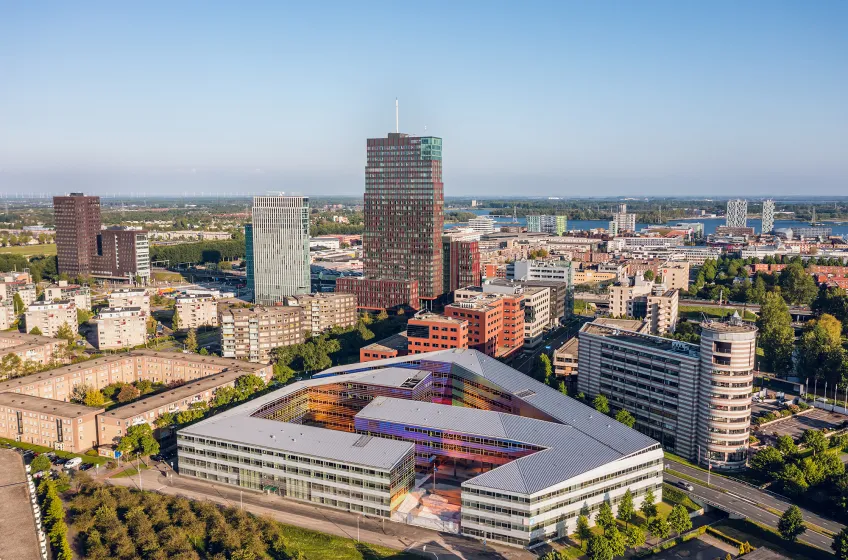
Almere is a city built from scratch in the late 20th century, and its bold architecture reflects that. Highlights include The Wave apartment building, the colourful Side by Side houses, and the Citadel shopping complex. The city’s waterside setting adds to its appeal.
Urk Fishing Village
Although officially part of the reclaimed Noordoostpolder, Urk retains the charm of its fishing heritage from when it was still an island. Narrow streets, a working harbour, and traditional fish smokehouses make it a delightful place for a stroll and a fresh seafood meal.
Walibi Holland
Located in Biddinghuizen, this theme park is home to thrilling roller coasters like Goliath and Untamed, plus family rides and events such as Lowlands Festival, one of the Netherlands’ largest music festivals.
Practical Advice for Visitors
Getting There
Flevoland is just 30 minutes by train or car from Amsterdam to Almere, and around an hour to Lelystad. The A6 motorway runs north–south through the province, making it easy to drive between cities and attractions. Lelystad and Almere both have regular train connections to the rest of the country.
Parking
Ample parking is available in most towns and at major attractions. Nature reserves like Oostvaardersplassen have designated visitor parking areas, often free of charge.
Dining
Flevoland’s dining scene mixes modern Dutch cuisine with local produce, especially fresh fish from Urk and seasonal vegetables from the polders. De Kaap in Urk is well-regarded for seafood, while Bakboord in Almere offers fine dining with waterfront views. In spring, some farms open for tulip-themed snacks and events.
Shopping
For outlet shopping, Batavia Stad is the main draw. Lelystad and Almere both have modern shopping centres, while Urk has small boutiques selling local crafts and fish products. Markets in larger towns often feature regional produce.
When to Visit
Spring is spectacular for tulip fields, while summer is perfect for sailing, cycling, and outdoor events. Autumn brings rich colours to nature reserves, and winter offers a quiet, windswept beauty. Walibi Holland’s Halloween events are especially popular in October.
Local Events
The Tulip Festival in April celebrates the Noordoostpolder’s blooms with routes, markets, and open farm days. Lowlands Festival in August is a major draw for music fans, while Urk’s Fish Days showcase maritime traditions.
Exploring Beyond Flevoland
From Flevoland, you can easily visit Amsterdam, the medieval city of Kampen, or the Frisian lakes. Across the Ketelbrug lies the province of Friesland, offering sailing and watersports, while the Veluwe nature reserve is just a short drive south for forest walks and wildlife.
Shortlist
- Your Shortlist is empty