
Discover Dunbartonshire | A Visitor's Introduction to Dunbartonshire
Dunbartonshire, in Central Scotland on the western edge of the Scottish Lowlands and bordering the shores of Loch Lomond, is a region brimming with scenic beauty, historic sites, and outdoor adventure opportunities. Divided into East and West Dunbartonshire, the area encompasses diverse landscapes, from urban centres like Clydebank and Dumbarton to the peaceful villages and rugged hills around Loch Lomond. Known for its role in Scottish history, breathtaking natural scenery, and convenient proximity to Glasgow, Dunbartonshire makes an ideal destination for those looking to experience Scotland’s heritage and nature.
Recommended Dunbartonshire Accommodation: All Hotels 4&5 Star Luxury Hotels Bed & Breakfasts Pub Accommodation
Why is Dunbartonshire Worth a Visit?
Dunbartonshire is worth visiting for its unique combination of historical significance, outdoor recreation, and natural beauty. The region is home to Scotland’s first national park, Loch Lomond & The Trossachs, as well as Dumbarton Castle, which is steeped in centuries of history. With its charming villages, lochside views, and an abundance of outdoor activities, including hiking, cycling, and water sports, Dunbartonshire appeals to a wide range of travellers. Its close proximity to Glasgow makes it an ideal day-trip destination for city dwellers seeking a taste of the Highlands without a long journey.
Dunbartonshire Highlights: Things to See and Do in Dunbartonshire
Loch Lomond & The Trossachs National Park
Loch Lomond & The Trossachs National Park, partly located in Dunbartonshire, is one of Scotland’s most iconic outdoor destinations. Loch Lomond, the largest freshwater loch in the UK, offers stunning scenery, peaceful shorelines, and numerous recreational activities, including kayaking, paddleboarding, and fishing. Hiking trails for all levels are available, with Ben Lomond, a popular Munro, providing a challenging but rewarding climb with incredible panoramic views of the loch and surrounding mountains. For a relaxing experience, visitors can take a boat cruise on the loch or enjoy a scenic drive along its shores.
Dumbarton Castle
Perched on a volcanic rock overlooking the River Clyde, Dumbarton Castle is one of Scotland’s oldest and most storied fortresses, with a history dating back over 1,500 years. Once a key stronghold of the ancient Kingdom of Strathclyde, the castle has played a significant role in Scotland’s royal and military history. Visitors can explore the historic battlements, visit the Governor’s House, and climb to the summit of the rock for sweeping views over the Clyde estuary. The castle’s unique location and fascinating history make it a must-visit for history enthusiasts.
Balloch and Balloch Castle Country Park
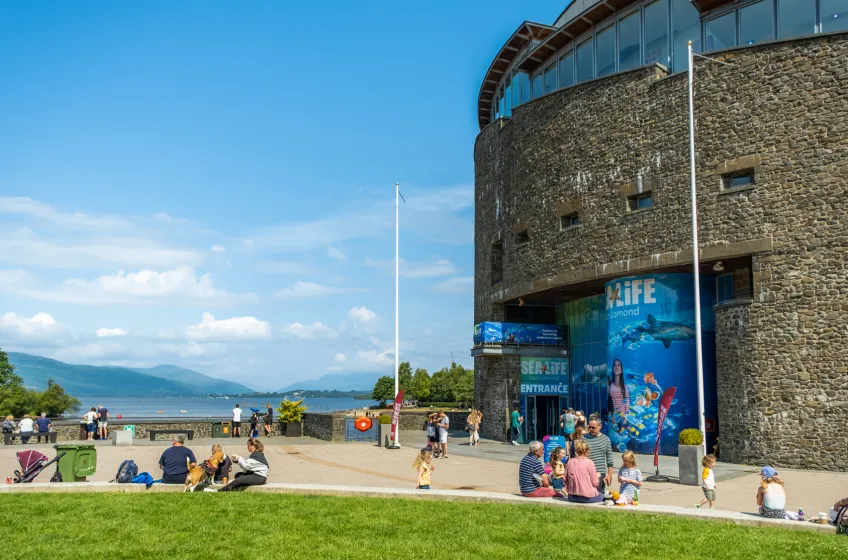
Balloch is a charming town on the southern shore of Loch Lomond and serves as one of the primary gateways to the national park. Balloch Castle Country Park, a 200-acre estate, offers scenic walking paths, manicured gardens, and views of Loch Lomond. Balloch Castle itself, though currently closed to the public, provides a striking architectural feature within the park. Nearby, the Loch Lomond Shores complex offers shops, cafés, and a Sea Life Aquarium, making Balloch a great spot for family-friendly activities and relaxation.
The Forth and Clyde Canal and Clydebank
The Forth and Clyde Canal runs through Clydebank, connecting the east and west coasts of Scotland. The canal is a popular route for walking, cycling, and boating, with beautiful views of the surrounding countryside. The Titan Crane, a giant cantilever crane in Clydebank, is an industrial relic that has been transformed into an iconic landmark, with a visitor centre and an observation deck that offers panoramic views of the River Clyde. The town itself has a fascinating industrial heritage tied to shipbuilding, which visitors can explore at the Clydebank Museum.
The Antonine Wall
The Antonine Wall, a UNESCO World Heritage Site, was once a Roman fortification that marked the northern boundary of the Roman Empire in Britain. Built in AD 142, the wall stretches across Central Scotland, and remains can still be seen in areas of East Dunbartonshire, such as Bearsden and Kirkintilloch. The Roman Baths at Bearsden and the fort remnants along the wall offer a glimpse into Roman life on the empire’s frontier. Informational plaques and guided walks are available to help visitors learn more about this ancient historical site.
Mugdock Country Park
Mugdock Country Park, located near Milngavie, is a beautiful nature reserve and historic park with woodlands, lochs, and open moorlands to explore. The park is home to the ruins of Mugdock Castle and Craigend Castle, adding a touch of history to the scenic walking and cycling trails. With a visitor centre, café, play areas, and regular events, Mugdock Country Park is a family-friendly destination that combines nature, history, and recreation.
Milngavie and the West Highland Way
Milngavie, a pleasant town in East Dunbartonshire, is the starting point of the West Highland Way, Scotland’s most famous long-distance walking trail. The trail stretches 96 miles from Milngavie to Fort William, taking hikers through some of Scotland’s most dramatic landscapes. For those not ready to commit to the full walk, the initial section offers a gentle introduction with scenic views, wooded paths, and streams. Milngavie itself has a range of shops, cafés, and amenities, making it a convenient base for outdoor adventures.
Levengrove Park
Levengrove Park in Dumbarton is a beautiful riverside park that offers scenic walking paths, gardens, and picnic areas along the River Clyde and River Leven. The park features a restored fountain, playgrounds, and outdoor fitness equipment, making it popular with both families and outdoor enthusiasts. The riverside location offers picturesque views and is ideal for leisurely walks, while the park’s historical monuments highlight its connection to Dumbarton’s history.
Overtoun House and the Overtoun Estate
Overtoun House, located just outside Dumbarton, is a beautiful 19th-century mansion set amid stunning grounds. The estate offers several walking trails that take visitors through woodlands, over streams, and up to the “Bridge to Nowhere,” which provides panoramic views of the surrounding area. The estate’s peaceful atmosphere and scenic setting make it a popular spot for photography, birdwatching, and quiet walks.
Practical Advice for Visitors
Getting There
Dunbartonshire is well-connected by road, rail, and bus. The A82 provides a direct route from Glasgow to Balloch, Loch Lomond, and further north. There are regular train services from Glasgow to towns such as Balloch, Dumbarton, and Milngavie, making it convenient for day trips or weekend visits. For those arriving by plane, Glasgow International Airport is just a short drive away, offering easy access to the region.
Parking
Parking is generally available at major attractions and in the towns throughout Dunbartonshire. Dumbarton Castle, Balloch Castle Country Park, and Loch Lomond Shores all have dedicated car parks. While most sites offer free parking, some may charge a small fee, particularly during the high season. In larger towns such as Dumbarton and Clydebank, additional public parking is available, and many areas provide facilities for electric vehicle charging.
Dining
Dunbartonshire offers a variety of dining options, from traditional pubs to charming cafés. Balloch has several lochside restaurants and pubs, including The Balloch House and The Stables Restaurant, both offering classic Scottish dishes with scenic views. Clydebank and Dumbarton also have a selection of eateries, including seafood restaurants, pubs, and international cuisine. For a unique experience, visit The Oak Tree Inn in Balmaha, where you can enjoy traditional Scottish food with views over Loch Lomond.
Shopping
For shopping, Loch Lomond Shores in Balloch offers a range of shops, including local crafts, clothing boutiques, and a food hall with Scottish produce. Clyde Shopping Centre in Clydebank provides a selection of high-street brands, while smaller towns like Milngavie and Dumbarton have local shops, gift stores, and independent boutiques. Farmers' markets and craft fairs often take place across the region, where visitors can find handmade products, local food, and souvenirs.
When to Visit
Dunbartonshire is a year-round destination, though the best time to visit depends on your interests. Spring (April to June) brings mild weather and beautiful wildflowers, ideal for outdoor activities. Summer (July to August) is perfect for exploring Loch Lomond and enjoying festivals, though it can be busier during school holidays. Autumn (September to November) offers vibrant foliage in parks and woodlands, while winter (December to February) brings a quiet charm, especially around Loch Lomond, with potential for snow-capped hills and peaceful walks.
Local Events
Dunbartonshire hosts various annual events that showcase the region’s culture and community spirit. The Loch Lomond Highland Games, held in July in Balloch, feature traditional Scottish sports, dancing, and music. The Loch Lomond Food & Drink Festival in September celebrates Scottish cuisine with stalls, tastings, and live cooking demonstrations. The West Highland Way Race, starting in Milngavie each June, draws both participants and spectators for a challenging ultramarathon event.
Exploring Beyond Dunbartonshire
Dunbartonshire’s central location makes it easy to explore nearby regions. Glasgow, Scotland’s largest city, is just a short drive or train journey away and offers a vibrant mix of cultural attractions, museums, and shopping. The Trossachs and other areas of Loch Lomond & The Trossachs National Park provide even more hiking trails and natural wonders. The historic town of Stirling, with its famous castle and battle sites, is also within easy reach, offering a fascinating day trip from Dunbartonshire.
Shortlist
- Your Shortlist is empty