
Discover The Trossachs | A Visitor's Introduction to The Trossachs
Recommended places to visit, places to stay and things to do in The Trossachs
The Trossachs, often referred to as the “Gateway to the Highlands,” is a picturesque region in central Scotland that lies within Loch Lomond & The Trossachs National Park. Known for its enchanting landscapes of lochs, forests, and hills, the Trossachs is an area steeped in natural beauty, history, and folklore. With charming villages, scenic hiking trails, and tranquil waters, the Trossachs offers a quintessential Scottish escape for nature lovers, history enthusiasts, and outdoor adventurers.
Recommended Trossachs Accommodation: Hotels Bed & Breakfasts Pub Accommodation
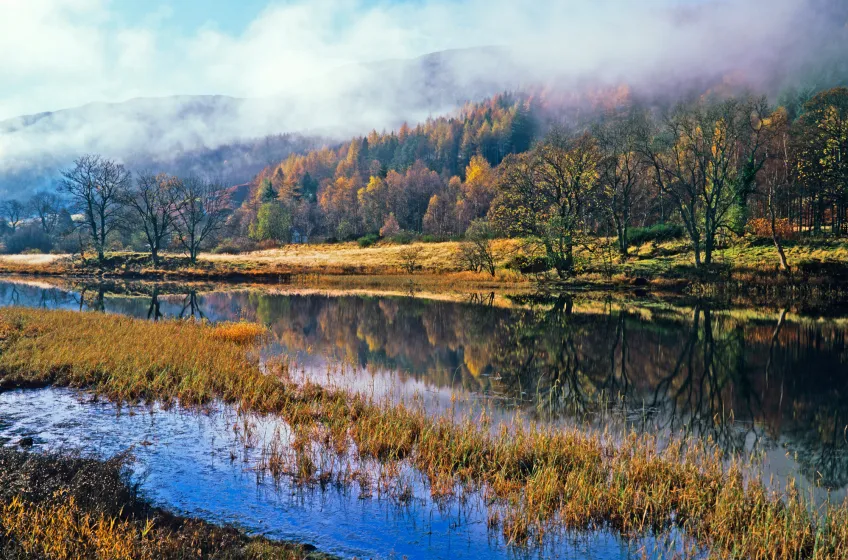
Why are The Trossachs Worth a Visit?
The Trossachs are worth visiting for their spectacular landscapes, rich heritage, and accessibility from major cities like Glasgow and Edinburgh. This region offers an iconic taste of the Scottish Highlands, with its glens, lochs, and rolling hills that inspired writers like Sir Walter Scott and poets like William Wordsworth. The Trossachs are an outdoor paradise, with plenty of opportunities for hiking, cycling, boating, and wildlife spotting. For those looking to explore charming villages, enjoy waterside views, and immerse themselves in Highland culture, the Trossachs offers an unforgettable experience.
Trossachs Highlights: Things to See and Do in The Trossachs
Loch Katrine and Sir Walter Scott Steamship
Loch Katrine is one of the Trossachs’ most scenic and historic lochs, with deep ties to Scottish literature and legend. It was famously celebrated by Sir Walter Scott in his poem The Lady of the Lake, making it one of Scotland’s most romanticized landscapes. Visitors can explore Loch Katrine by taking a cruise on the historic Sir Walter Scott steamship, which has been operating since 1900. The loch’s shores offer walking and cycling paths with stunning views of the surrounding mountains, and bike rentals are available for those who want to explore the lochside trail.
Ben A’an
Ben A’an, known as “the mountain in miniature,” is one of the most popular hills to climb in the Trossachs due to its accessible trail and breathtaking views. Though relatively small at 454 metres (1,490 feet), Ben A’an offers a rewarding hike with a panoramic summit view over Loch Katrine, Loch Achray, and the surrounding hills. The hike takes around 1.5 to 2 hours to reach the top, making it a suitable adventure for hikers of all abilities. Ben A’an’s summit is particularly stunning at sunrise or sunset, when the landscape is bathed in golden light.
Loch Lomond
Loch Lomond, Scotland’s largest freshwater loch, lies on the western edge of the Trossachs and is a stunning destination for water-based activities and scenic relaxation. The loch’s crystal-clear waters are perfect for kayaking, paddleboarding, and boating, with several rental facilities along its shores. Boat cruises are available for those who want to explore the loch’s islands and take in views of Ben Lomond, the highest mountain in the area. Loch Lomond’s shores are dotted with small villages, such as Luss and Balmaha, where visitors can find cafés, pubs, and scenic spots to enjoy a picnic.
Callander
Callander, often called the “Gateway to the Highlands,” is a charming town situated on the edge of the Trossachs. Known for its scenic location along the River Teith, Callander is a hub for visitors looking to explore the surrounding countryside. The town’s main street is lined with quaint shops, tearooms, and pubs, making it an ideal place to stop for lunch or some shopping. Nearby, visitors can explore Bracklinn Falls, a beautiful waterfall surrounded by woodland trails, or take a walk up Callander Crags for panoramic views of the town and the Trossachs beyond.
Queen Elizabeth Forest Park
Queen Elizabeth Forest Park covers a vast area of woodlands, hills, and glens within the Trossachs and is an ideal destination for hiking, wildlife spotting, and enjoying nature. The Lodge Forest Visitor Centre, near Aberfoyle, offers information on the park’s trails, as well as interactive exhibits on local wildlife and conservation. There are several family-friendly trails, including the Waterfall Trail and the Pine Ridge Trail, both of which offer lovely scenery and picnic spots. The forest park is also home to red squirrels, roe deer, and a variety of bird species, making it a paradise for nature enthusiasts.
Aberfoyle
Aberfoyle is a picturesque village known for its scenic beauty and outdoor adventure opportunities. The village is often referred to as the “Gateway to the Trossachs” and is surrounded by lush forest and hills. Nearby, the Go Ape Adventure Park offers thrilling treetop activities, zip-lining, and rope courses. The village also hosts the Scottish Wool Centre, where visitors can learn about Scotland’s wool-making heritage and even see live sheepdog demonstrations. With its inviting atmosphere, scenic trails, and cosy cafés, Aberfoyle is an ideal base for exploring the surrounding Trossachs.
Loch Achray and Trossachs Pier
Loch Achray is a smaller but equally beautiful loch in the heart of the Trossachs, offering a peaceful setting and spectacular views. Trossachs Pier, located on the shores of Loch Achray, serves as the starting point for cruises on Loch Katrine and is surrounded by scenic trails. The loch is an excellent spot for fishing, canoeing, and wildlife-watching, with plenty of picnic areas along its shores. The surrounding hills, including Ben Venue and Ben A’an, provide a scenic backdrop, making Loch Achray a favourite among photographers and outdoor enthusiasts.
Inchmahome Priory and Lake of Menteith
The Lake of Menteith, Scotland’s only natural “lake” (as opposed to “loch”), is a peaceful body of water with a rich history. Visitors can take a small boat to Inchmahome Priory, a 13th-century Augustinian monastery located on an island in the lake. The priory was once a sanctuary for Mary, Queen of Scots, when she was a child. The island is a tranquil and atmospheric place to explore, with ancient ruins, mature trees, and scenic walking paths. The Lake of Menteith is especially beautiful in spring and autumn, and the short boat ride to the island adds to the experience.
Rob Roy Way
The Rob Roy Way is a long-distance walking trail that follows the route taken by the infamous Scottish outlaw and folk hero Rob Roy MacGregor. Spanning approximately 77 miles, the route begins in Drymen and passes through the Trossachs, Aberfoyle, and Callander, ending in Pitlochry. While the entire trail takes several days to complete, shorter sections make excellent day hikes and provide a chance to walk through some of the Trossachs’ most scenic landscapes, including lochs, glens, and forests.
The Great Trossachs Forest
The Great Trossachs Forest is one of the largest nature restoration projects in the UK, spanning over 16,500 hectares. This vast area encompasses ancient woodlands, newly planted forests, and beautiful glens, creating an expansive natural habitat for local wildlife. Visitors can enjoy several walking trails, including the Woodland Trail, where you might spot deer, ospreys, and other native species. The forest project aims to restore and preserve the unique biodiversity of the Trossachs and provides a peaceful setting for outdoor exploration.
Practical Advice for Visitors
Getting There
The Trossachs are easily accessible by car from both Glasgow and Edinburgh, with the main access points being Aberfoyle, Callander, and Drymen. The drive from Glasgow takes about 1 hour, while Edinburgh is around 1.5 hours away. Public transport options include buses from Stirling to Callander and Aberfoyle, making the region accessible even without a car. However, for those wishing to explore more remote areas, renting a car is recommended.
Parking
Parking is generally available at key locations, including the visitor centres at Queen Elizabeth Forest Park, Loch Katrine, and Loch Lomond. Popular hiking spots such as Ben A’an and Ben Venue have dedicated car parks, although they can fill up quickly during peak times, particularly in the summer. It’s advisable to arrive early to secure a spot, especially on weekends. Some car parks charge a small fee, so bringing cash is recommended.
Dining
The Trossachs offer a range of dining options, from traditional pubs to cosy tearooms. In Callander, the Riverside Inn and Mhor 84 are popular choices, offering classic Scottish dishes with a modern twist. Aberfoyle’s Forth Inn and The Faerie Tree Inn serve hearty meals, perfect for refuelling after a day of hiking. Many cafés and inns in the area offer local favourites, such as smoked salmon, haggis, and fresh Scottish seafood. For a more refined dining experience, the Lake Hotel on the Lake of Menteith has a highly-regarded restaurant with scenic views.
Shopping
The Trossachs’ villages offer a range of local shops selling souvenirs, artisan crafts, and outdoor gear. Callander and Aberfoyle have several shops where visitors can find handmade Scottish gifts, tartans, and woollen products. The Scottish Wool Centre in Aberfoyle offers a variety of traditional woollen clothing and textiles, as well as live demonstrations. Many local shops sell Highland-inspired artwork, jewellery, and home décor, making it easy to bring a piece of the Trossachs home with you.
When to Visit
The Trossachs are beautiful year-round, though each season offers a unique experience. Spring (March to May) brings wildflowers and milder weather, making it a great time for hiking and wildlife spotting. Summer (June to August) offers warm weather and longer days, ideal for outdoor activities and water sports, though it’s also the busiest season. Autumn (September to November) is particularly scenic, with vibrant foliage creating a stunning backdrop for photography. Winter (December to February) is quiet and atmospheric, with snow-capped hills and frosty landscapes, ideal for peaceful walks and cosy evenings by the fire.
Local Events
The Trossachs host several events that celebrate local culture, outdoor adventure, and Scottish heritage. The Callander Jazz and Blues Festival, held in October, is Scotland’s largest rural jazz festival and features live music performances throughout the town. The Highland Games season, typically from May to September, includes events in nearby towns and villages, offering traditional games, dancing, and piping. The Loch Lomond Highland Games in July is a highlight for visitors interested in Scottish sports and culture.
Exploring Beyond the Trossachs
The Trossachs’ central location makes it an ideal base for exploring other parts of Scotland. Loch Lomond, with its beautiful islands and towering Ben Lomond, is within easy reach. The nearby city of Stirling, with attractions like Stirling Castle and the Wallace Monument, is also close by. For those looking to venture further, the scenic West Highland Way walking route and the Isle of Mull are accessible day trips that offer more of Scotland’s rugged landscapes and rich heritage.
Shortlist
- Your Shortlist is empty