
Discover Loch Lomond | A Visitor's Introduction to Loch Lomond
Recommended places to visit, places to stay and things to do around Loch Lomond
Loch Lomond is one of Scotland’s most iconic and beloved natural landmarks, where serene waters meet rugged mountains and ancient woodland. Located just 25 miles northwest of Glasgow, in Central Scotland, it marks the gateway to the Highlands and lies at the heart of Loch Lomond and The Trossachs National Park. With its vast freshwater expanse — the largest in Great Britain by surface area — and its dramatic surroundings of hills, lochs, islands and forest, Loch Lomond is ideal for hiking, boating, wildlife watching, and relaxing in awe-inspiring scenery.
Whether you're seeking outdoor adventure, a peaceful retreat, or a family escape into nature, Loch Lomond offers a scenic, welcoming haven in every season.
Recommended Loch Lomond Accommodation: All Hotels 4&5 Star Luxury Hotels Budget Hotels Bed & Breakfasts Pub Accommodation
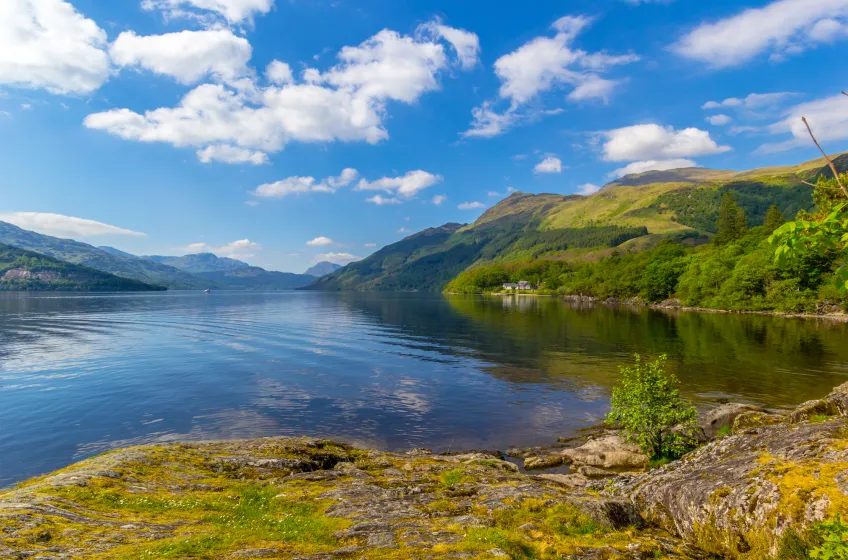
Why is Loch Lomond Worth a Visit?
Loch Lomond is worth visiting for its sheer natural beauty, variety of landscapes, and easy access to both Highland wilderness and charming villages. The loch stretches 24 miles from Balloch in the south to Ardlui in the north, peppered with over thirty islands, some steeped in history and legend. With the towering presence of Ben Lomond, tranquil bays, forested hills, and diverse wildlife, it’s an immersive way to experience Scotland’s outdoors.
As part of Loch Lomond & The Trossachs National Park, the area is perfectly suited for walking, photography, water activities, and heritage exploration. From its historical villages to panoramic peaks, it blends serenity with adventure, and is just an hour from Glasgow.
Loch Lomond Highlights: Things to See and Do in Loch Lomond
Loch Cruises and Boat Trips
Getting out on the water is one of the best ways to appreciate the scale and beauty of Loch Lomond. Scenic cruises leave from Balloch, Tarbet, and Luss, offering everything from short sightseeing trips to island-hopping adventures. Some visit Inchcailloch Island, a peaceful nature reserve with forest trails and ruins of an old church. Others venture north for views of Ben Lomond and the more dramatic highland scenery. If you prefer your own pace, kayaks, canoes, and paddleboards are available to hire in several locations, including Balmaha and Luss.
Ben Lomond
Standing proudly over the eastern shore of the loch, Ben Lomond is one of the most climbed mountains in Scotland. It’s considered a relatively accessible Munro, with the main route from Rowardennan offering a well-defined path and stunning views of the loch all the way up. The summit panorama, on a clear day, reaches deep into the Highlands and across the central belt. It’s a rewarding challenge for moderately experienced walkers, taking about 4–5 hours round trip. Good footwear and a weather check are essential.
Luss Village
A postcard-perfect conservation village on the loch’s western shore, Luss is beloved for its neat rows of stone cottages, floral gardens, and lochside setting. The village pier offers splendid views, and the Luss Heritage Centre gives insight into local history. With charming cafés, craft shops, and access to gentle walking paths and a sandy beach, it’s a lovely spot for a relaxed visit. Luss is also a departure point for short loch cruises.
Balloch and Loch Lomond Shores
At the southern end of the loch, Balloch serves as a popular hub for visitors. It’s home to Loch Lomond Shores, a modern retail and leisure complex with restaurants, gift shops, and the SEA LIFE Aquarium, making it a great base for families. Balloch Castle Country Park nearby has landscaped gardens, woodland paths, and scenic viewpoints across the water. The riverside walks and boating options add plenty of ways to enjoy the outdoors without venturing far from amenities.
The West Highland Way
The famous West Highland Way runs for 96 miles from Milngavie to Fort William and skirts the eastern edge of Loch Lomond. Even if you’re not tackling the full route, shorter sections, such as the walk from Balmaha to Rowardennan, offer excellent lakeside hiking through forest, rocky outcrops, and quiet beaches. It’s a great way to experience the wild beauty of the loch’s eastern side, and there are plenty of spots to stop for a rest or a picnic.
Inchcailloch Island
Accessible by a short boat trip from Balmaha, Inchcailloch is a peaceful island and nature reserve within Loch Lomond. It’s a haven for birdlife and deer, and has well-marked walking trails leading to a summit viewpoint, a small beach, and the remains of a 13th-century church. It’s a great option for families or walkers looking for a gentle adventure that feels far from the mainland.
Balmaha and Conic Hill
The village of Balmaha, on the eastern shore, is a popular stop for walkers and boaters alike. It’s also the starting point for the short but steep climb up Conic Hill, which rewards walkers with one of the best panoramic views of Loch Lomond — especially striking at sunrise or sunset. The National Park Visitor Centre here offers local information, and the Oak Tree Inn provides a cosy spot for a drink or meal after a walk.
Falls of Falloch
Just north of the loch near Crianlarich, the Falls of Falloch is a beautiful 30-foot waterfall in a wooded glen. Easily reached via a short walk from the roadside, the falls are especially dramatic after rain. A curved wooden viewing platform allows for safe access and excellent photographs. It’s a peaceful, scenic stop-off on a drive through the north of the National Park.
Loch Arklet and Loch Katrine
Further east of the main loch, Loch Arklet and Loch Katrine offer a more remote and peaceful experience. Loch Arklet, with its still waters and sweeping views, is ideal for photographers and walkers. Loch Katrine, famously romanticised by Sir Walter Scott, offers steamship cruises aboard the Sir Walter Scott boat and a level shoreline trail ideal for walking or cycling. Both lochs are less visited than Loch Lomond but equally beautiful.
Wild Swimming and Water Sports
Loch Lomond’s clean, fresh waters make it a popular place for wild swimming, particularly at beaches near Milarrochy Bay, Luss, and Firkin Point. In warmer months, conditions are calm and inviting, with some designated swimming areas. The loch also supports a range of water activities such as kayaking, paddleboarding, and wakeboarding, with rentals and lessons available from various providers. Always observe local safety guidelines and avoid boating lanes when swimming or paddling.
Practical Advice for Visitors
Getting There
Loch Lomond is easily accessible from Glasgow and the Central Belt. By train, Balloch Station is the main gateway, with regular services from Glasgow Queen Street in under an hour. From Balloch, you can connect to buses, taxis, or boat tours. By car, the A82 provides a direct scenic route along the western shore, while quieter country roads link the eastern side via Drymen and Balmaha.
Getting Around
If you want to explore beyond one village or trail, having a car is the most convenient way to get around. However, seasonal bus services connect main points like Balloch, Luss, Tarbet, and Balmaha, and boat tours and ferries also operate across the loch during spring and summer. Cycling is popular, especially along the eastern trails and quieter back roads.
Parking
Most villages and walking areas provide public car parks — some are free, while others are pay-and-display. During peak weekends and holidays, places like Balmaha and Conic Hill can fill up early, so arrive before mid-morning if possible. At Balloch and larger visitor hubs, you’ll find more facilities, including accessible parking and toilets.
Dining
Loch Lomond has a great mix of local pubs, cafés, and lochside restaurants. The Oak Tree Inn in Balmaha is a favourite for hearty meals and traditional Scottish hospitality. In Luss, the Village Rest offers excellent café fare, and Duck Bay Marina near Balloch serves generous portions with a great view. Further north, Ardlui Hotel and Tarbet’s Ben Lomond Restaurant provide warm welcomes and classic Highland cuisine. Many places specialise in locally sourced ingredients, including venison, trout, and traditional desserts.
When to Visit
The best time to visit Loch Lomond depends on your preferences. Spring and summer (April to August) offer the most daylight and warmest weather, ideal for hiking and boat trips. Autumn brings golden foliage and fewer crowds, while winter is quieter and more atmospheric — although some visitor services close during the colder months. Late spring is especially lovely for wildflowers and active wildlife.
Local Events
Throughout the year, Loch Lomond hosts a variety of festivals and outdoor events. The Loch Lomond Food and Drink Festival, usually held in September, showcases local produce, street food, and live music at Loch Lomond Shores. During summer, outdoor concerts, Highland games, and trail races attract locals and visitors alike. Check local listings and visitor centres for up-to-date details, especially for seasonal boat services and guided walks.
Nearby Attractions
Loch Lomond is a great base for exploring The Trossachs, including places like Aberfoyle, Callander, and Duke’s Pass — all offering dramatic Highland scenery, forest walks, and local charm. Stirling, with its magnificent castle and Wallace Monument, is about an hour’s drive away. For a cultural contrast, Glasgow’s museums, galleries, and shops are within easy reach for a day trip.
Summary
Loch Lomond is one of Scotland’s most cherished and accessible natural escapes — where vast water meets mountain skyline, and where quiet lochside villages sit alongside sweeping hill paths. Whether you’re out for a casual walk, tackling a mountain, paddling along the shore, or simply taking in the view, Loch Lomond offers a soul-soothing balance of adventure and peace.
It’s a place of legends, of landscapes that shift with the weather, and of experiences that linger long after your visit. For anyone exploring the beauty of Scotland, Loch Lomond is not to be missed.
Shortlist
- Your Shortlist is empty