
A Visitor's Introduction to Chichester Festival Theatre
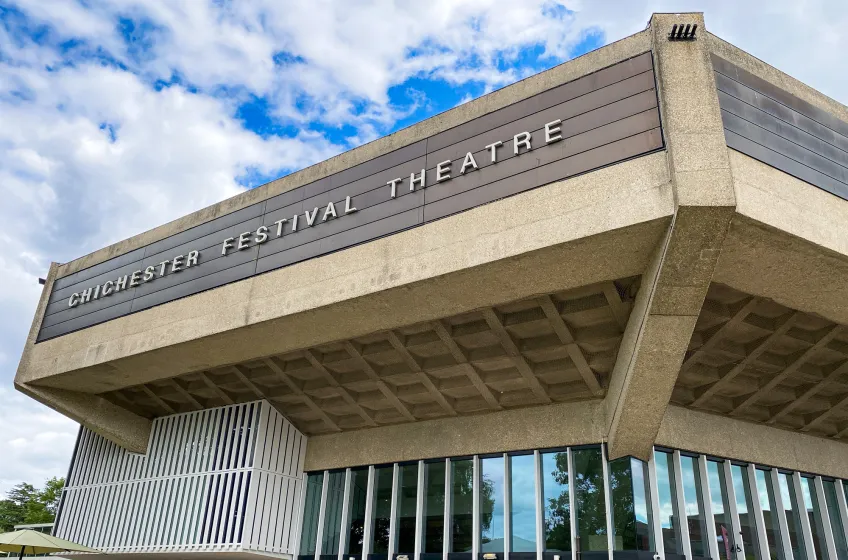
Chichester Festival Theatre (CFT) is one of the UK’s most significant and respected regional theatres, located just north of Chichester city centre in West Sussex. Opened in 1962, the theatre has built an enduring reputation for high-quality productions, often serving as a launching ground for shows that transfer to the West End and international stages. Its distinctive hexagonal auditorium and thrust stage design, inspired by ancient Greek theatres, provide an unusually intimate experience, allowing the audience to feel closely connected to the performance.
Over the decades, CFT has hosted some of the most celebrated names in British theatre, including Laurence Olivier, who served as its first artistic director. The theatre continues to produce a wide range of work, from classical revivals to new writing and musicals, appealing to a broad and diverse audience. Surrounded by parkland and situated close to Chichester’s historic attractions, CFT combines cultural excellence with a picturesque setting, making it a key destination for theatre lovers visiting southern England.
Recommended Chichester accommodation: Hotels Bed & Breakfasts Pub Accommodation
Why Is Chichester Festival Theatre Worth a Visit?
Chichester Festival Theatre is worth visiting for its artistic reputation, architectural design, and contribution to the UK’s theatrical landscape. It is known for its annual Festival Season, which runs from spring through autumn and features a varied programme of productions that often include Shakespeare, modern classics, new plays, and large-scale musicals. These shows frequently attract high-profile actors, directors, and designers, ensuring a standard of production that rivals London theatres.
The theatre’s commitment to innovation, community engagement, and education further enhances its appeal. It runs a wide-reaching youth theatre, outreach programmes, and accessible performances for people with additional needs. Its smaller studio space, The Minerva Theatre, located adjacent to the main auditorium, hosts more intimate or experimental work, offering visitors a contrasting theatrical experience.
CFT is particularly well known for reviving classic plays with fresh interpretations and staging ambitious musicals. Productions such as Gypsy, Half A Sixpence, South Pacific, and Guys and Dolls all started at Chichester before moving on to national acclaim. For both seasoned theatregoers and casual visitors, a trip to CFT offers the opportunity to see world-class theatre in a relaxed and elegant setting.
Festival Theatre Highlights
The Festival Season
Each year from April to October, the theatre hosts a busy Festival Season that typically includes around six to eight main productions, alongside smaller performances in the Minerva Theatre. The season is carefully curated to balance crowd-pleasers with more adventurous or challenging works. Many of these productions go on to tour nationally or transfer to the West End, making CFT a place to see major shows early in their lifecycle.
The Main Theatre
The main auditorium is one of the most architecturally innovative in the UK. Its open, hexagonal shape and thrust stage allow for excellent sightlines and a sense of intimacy despite its 1,300-seat capacity. The 2014 refurbishment preserved the original design while improving acoustics, seating comfort, accessibility, and backstage facilities. The result is a modern, audience-friendly venue that retains its mid-century charm.
The Minerva Theatre
This smaller, 310-seat theatre provides a more intimate space for productions that benefit from a closer connection between actors and audience. The Minerva often hosts new writing, smaller-scale dramas, and experimental work, offering a contrasting programme to the main house. It has played a crucial role in developing new talent and showcasing innovative theatrical approaches.
Theatre Tours and Exhibitions
Behind-the-scenes tours are offered during the year, providing access to areas not usually open to the public, such as the stage, dressing rooms, and technical areas. These tours give insight into the workings of a professional theatre and its rich history. Exhibitions are also held in the theatre foyers, often focusing on past productions, costumes, or the careers of actors associated with CFT.
Education and Community Engagement
CFT is a leader in theatre education and outreach. Its youth theatre is one of the largest in the country, involving over 800 young people each year. The theatre also runs workshops, school partnerships, and community projects designed to make theatre accessible to people of all ages and backgrounds. Programmes for older people, individuals with learning disabilities, and those living with dementia are part of its ongoing inclusion efforts.
Accessibility and Inclusive Performances
The theatre offers a variety of accessible performances throughout the year, including audio-described, captioned, and relaxed performances. The 2014 redevelopment made the building fully wheelchair accessible and included the addition of accessible toilets, hearing enhancement systems, and dedicated seating.
On-site Dining and Social Spaces
CFT features several food and drink options, including The Brasserie, which offers pre-show dining, and the Café on the Park, ideal for lighter meals and refreshments. Outdoor seating is available in good weather, and visitors are welcome to enjoy the landscaped gardens and lawns surrounding the building.
Heritage and Architecture
Designed by architects Philip Powell and Hidalgo Moya, CFT was a radical departure from traditional proscenium arch theatres when it opened in 1962. The thrust stage brings the audience closer to the action, while the open design encourages a communal theatrical experience. The building itself was Grade II* listed in 1998 for its architectural significance and was carefully restored during the £22 million RENEW project completed in 2014.
Famous Productions and Premieres
Many productions originating at CFT have achieved national or international acclaim. Notable examples include Amadeus, King Lear (with Ian McKellen), Gypsy (with Imelda Staunton), and Half A Sixpence, which was developed in partnership with Cameron Mackintosh and The National Theatre. These successes have cemented the theatre’s reputation as a birthplace for significant new productions.
Green Spaces and Outdoor Events
The theatre is situated within Oaklands Park, a spacious public green area with walking paths, sports fields, and mature trees. The park provides a relaxing setting for pre- or post-show picnics and is sometimes used for outdoor performances, festivals, and events, particularly during summer months.
Nearby Attractions
Chichester Festival Theatre is within easy walking distance of Chichester’s historic city centre. Nearby is Chichester Cathedral, a 900-year-old church known for its unique combination of Norman and Gothic architecture and modern artworks, including a stained glass window by Marc Chagall. The Pallant House Gallery, located near East Street, houses one of the best collections of modern British art in the country, including works by Lucian Freud, Barbara Hepworth, and Peter Blake.
The Novium Museum, built over a Roman bathhouse site, offers insights into the city’s Roman past, while the Chichester City Walls Walk provides an elevated route around the remains of the Roman fortifications. For those willing to travel slightly further afield, Fishbourne Roman Palace is located just outside the city and features exceptional mosaics and reconstructions of Roman life.
To the south, Chichester Harbour Area of Outstanding Natural Beauty and West Wittering Beach offer coastal escapes, ideal for a day trip before or after attending a performance. The South Downs National Park, to the north, is easily accessible and offers excellent opportunities for walking, cycling, and wildlife spotting.
Practical Advice
Chichester Festival Theatre is located about a 10-minute walk north of Chichester railway station. Trains from London Victoria run frequently, taking just under 1 hour 40 minutes. There are also regular services from Brighton, Portsmouth, and Southampton. For those arriving by car, parking is available at Northgate car park, which is adjacent to the theatre and has over 800 spaces, including disabled parking bays. Charges apply, and payment can be made via app or machine.
Advance booking is strongly recommended for most performances, particularly during peak times in the Festival Season. Tickets can be purchased online, by phone, or in person at the box office. Discounts are often available for students, under-26s, and groups. Season tickets and membership schemes provide additional benefits such as early booking and reduced rates.
The theatre is fully accessible, with step-free entrances, lifts, and designated seating for wheelchair users. Hearing enhancement systems are available, and assistance dogs are welcome. Detailed access information is provided on the theatre’s website.
Dining reservations, especially at The Brasserie, are advisable on performance nights. The café and bars open several hours before performances and are also available to non-ticket holders. Free Wi-Fi is available in the public areas, and staff are on hand to assist with any enquiries.
Families are welcome, and some productions are specifically aimed at younger audiences. Booster cushions and child-friendly dining options are available, and the theatre hosts relaxed performances that are particularly suitable for children and those with additional needs.
Conclusion
Chichester Festival Theatre offers a compelling blend of artistic excellence, architectural innovation, and welcoming atmosphere. As one of the UK’s leading producing theatres, it plays a crucial role in the cultural life of southern England, attracting audiences from across the country. Whether you're attending a world-class musical, a cutting-edge drama, or a relaxed community performance, the experience is enhanced by the theatre’s setting within historic Chichester and its surrounding parkland. For visitors with an interest in the performing arts, architecture, or cultural heritage, Chichester Festival Theatre is an essential stop.
Shortlist
- Your Shortlist is empty