
Chichester Cathedral | A Visitor's Introduction to Chichester Cathedral
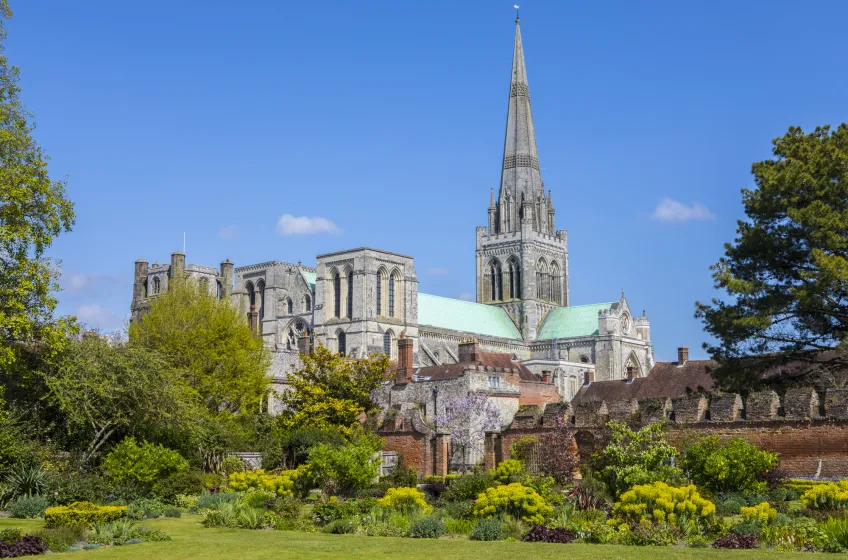
Chichester Cathedral, located in the historic city of Chichester in West Sussex, is one of the most distinctive ecclesiastical buildings in southern England. Founded in the 11th century, the cathedral presents a unique blend of Norman and Gothic architectural styles, characterised by its tall spire, twin aisles, and visible flying buttresses. Unlike many English cathedrals, Chichester’s spire can be seen from the sea, making it a long-standing landmark for sailors navigating the Sussex coast. The cathedral is not only a place of worship but also a hub for cultural, musical, and community events, attracting both pilgrims and tourists year-round.
Recommended Chichester accommodation: Hotels Bed & Breakfasts Pub Accommodation
Why Is Chichester Cathedral Worth a Visit?
Chichester Cathedral is worth visiting for its architectural richness, historical significance, and active cultural life. Unlike many English cathedrals that are situated away from the town centre, Chichester Cathedral is set right in the heart of the city, making it easily accessible and integrated into daily local life. Its blend of Norman and Gothic features, including rare early Norman carvings and 13th-century stained glass, offers an exceptional opportunity to trace the development of English ecclesiastical architecture over the centuries.
Visitors are often drawn to the cathedral's peaceful atmosphere, its striking interiors, and its impressive collection of artworks ranging from medieval sculptures to contemporary commissions. Among the modern pieces is the tapestry by John Piper and the Marc Chagall stained glass window—one of only a handful in the UK. The cathedral is also noted for its commitment to community and the arts, hosting a wide range of concerts, exhibitions, and lectures. For those interested in religious history, architecture, or simply a quiet place of reflection, Chichester Cathedral presents a compelling destination.
Chichester cathedral Highlights
The Cathedral Spire
At 82 metres (approximately 269 feet), the spire is the only one of its kind visible from the sea on the south coast of England. Originally built in the 14th century, it collapsed in 1861 and was subsequently rebuilt by the renowned Victorian architect George Gilbert Scott. Today, it remains a defining feature of both the cathedral and the city skyline.
The Nave and Aisles
The nave is a fine example of early Norman architecture, with massive stone piers and rounded arches. The pointed Gothic arches of the upper levels contrast sharply with the Norman work below, offering a clear visual representation of architectural evolution. The double aisles are uncommon in English cathedrals and contribute to the building's spaciousness and light.
The Arundel Screen
This beautifully carved stone screen was added in the 15th century and separates the nave from the choir. It is a fine example of late Gothic stonework, featuring intricate detailing that showcases the craftsmanship of the period.
The Choir and Presbytery
The choir retains much of its medieval layout and design. The wooden choir stalls, with their carved misericords, are notable features, and the presbytery contains the high altar, which is the spiritual focal point of the cathedral. The altar area is adorned with contemporary art pieces, adding a modern contrast to the historic setting.
The Baptistry and Font
Located at the west end of the cathedral, the baptistry houses a large marble font that dates back to the 12th century. The area is also home to one of the cathedral’s most celebrated artworks—the Baptism of Christ by Hans Feibusch, a vivid 20th-century mural that adds colour and dynamism to the space.
The South Transept and Chagall Window
The South Transept contains the stained glass window designed by Marc Chagall in 1978. It depicts the theme of Psalm 150 ("Let everything that has breath praise the Lord") and is renowned for its vibrant use of colour and abstract forms. This window adds a distinctly modern element to the otherwise medieval interior.
The Lady Chapel
This tranquil space is dedicated to the Virgin Mary and features delicate Gothic architecture and original 13th-century wall paintings. It is a peaceful spot for private prayer and reflection, often used for smaller services and musical performances.
The Cloisters and Cathedral Green
The cloisters offer a quiet, reflective space and link the cathedral with various outbuildings, including the Vicars’ Hall. The Cathedral Green, a public lawn adjacent to the building, is a popular spot for relaxation, particularly in the summer months. It also serves as a venue for outdoor events.
Art and Sculpture
Throughout the cathedral are numerous examples of religious art, including works by Graham Sutherland, Ursula Benker-Schirmer, and Philip Jackson. The inclusion of both historic and contemporary art pieces reflects the cathedral’s commitment to remaining culturally relevant and engaging.
The Treasury and Cathedral Exhibition
Located in the south-west tower, the Treasury contains an exhibition on the cathedral's history, architecture, and conservation work. Artefacts on display include ancient manuscripts, religious relics, and silverware. Interactive displays provide context and deeper understanding of the cathedral’s role over the centuries.
Music and the Organ
Chichester Cathedral is renowned for its choral tradition and music programme. The choir performs regularly at services and special concerts, and the cathedral is one of the three that participate in the annual Southern Cathedrals Festival alongside Winchester and Salisbury. The organ, originally built in 1688, has undergone several restorations and is one of the finest examples of its kind in the country.
Nearby Attractions
Chichester itself is a historic market city offering a wealth of attractions in close proximity to the cathedral. Just a short walk away is the Chichester Cross, a medieval market cross at the city’s centre, and the Pallant House Gallery, which houses an impressive collection of modern British art. The Novium Museum, built over the remains of a Roman bathhouse, offers insights into the city’s Roman heritage.
A short drive or bus journey takes visitors to Fishbourne Roman Palace, one of the largest Roman residences discovered in Britain, with remarkable mosaics and reconstructed gardens. To the south, Chichester Harbour Area of Outstanding Natural Beauty provides scenic walking and bird-watching opportunities, while West Wittering Beach, about 20 minutes away, is a popular destination for those wanting to combine heritage sightseeing with coastal relaxation.
For those interested in performing arts, the Chichester Festival Theatre, located north of the city centre, is one of the UK’s leading regional theatres, staging a mix of classic and contemporary productions throughout the year.
Practical Advice
Chichester Cathedral is open daily and admission is free, although donations are encouraged to support the upkeep and activities of the building. Guided tours are available and are recommended for those wanting deeper insight into the cathedral’s history and architecture. Special interest tours, including roof and tower tours, may be available during certain times of the year.
There is an on-site café, Cloisters Kitchen & Garden, which offers a selection of light meals, cakes, and drinks, with indoor and outdoor seating. The cathedral shop sells religious items, books, souvenirs, and locally produced crafts. Toilets, including accessible facilities, are available to visitors.
The cathedral is wheelchair accessible in most areas, though some parts of the building, such as the tower or upper galleries, may not be reachable for those with limited mobility. Assistance dogs are welcome.
Chichester has good transport links, with regular train services from London Victoria, Brighton, and Portsmouth. The cathedral is a short walk from Chichester railway station. Parking is available in city centre car parks, though spaces can be limited, especially during weekends and holidays. Park and ride services or using public transport may be preferable during busy periods.
Events such as concerts, lectures, and seasonal services are held throughout the year, and details can be found on the cathedral’s official website. It is advisable to check ahead if visiting during the Christmas or Easter periods, when special services may affect public access to certain areas of the building.
Conclusion
Chichester Cathedral offers a distinctive combination of historical depth, architectural beauty, and cultural vitality. Set at the heart of a charming and accessible city, it provides visitors with a rich experience, whether they are interested in religious heritage, the visual arts, music, or quiet contemplation. Its welcoming atmosphere and integration of tradition with modernity make it a standout attraction in West Sussex and a rewarding destination for visitors of all interests.
Shortlist
- Your Shortlist is empty