
West Flanders | A Visitor's Introduction to West Flanders
Recommended places to visit, places to stay and things to do in West Flanders
West Flanders, a diverse and scenic province in the northwest of Belgium, is a region where history, culture, and natural beauty come together. From the medieval splendour of Bruges to the sandy beaches of the Belgian coast, West Flanders offers something for every traveller. Known for its rich history, particularly as a key battleground during World War I, the province also boasts exceptional cuisine, charming towns, and tranquil countryside. West Flanders is a destination where you can wander cobbled streets, relax by the sea, and reflect on history, all in the same visit.
Recommended Accommodation: West Flanders Hotels West Flanders Bed & Breakfasts
Pre-book West Flanders Attractions, Tours & Experiences
Why is West Flanders Worth a Visit?
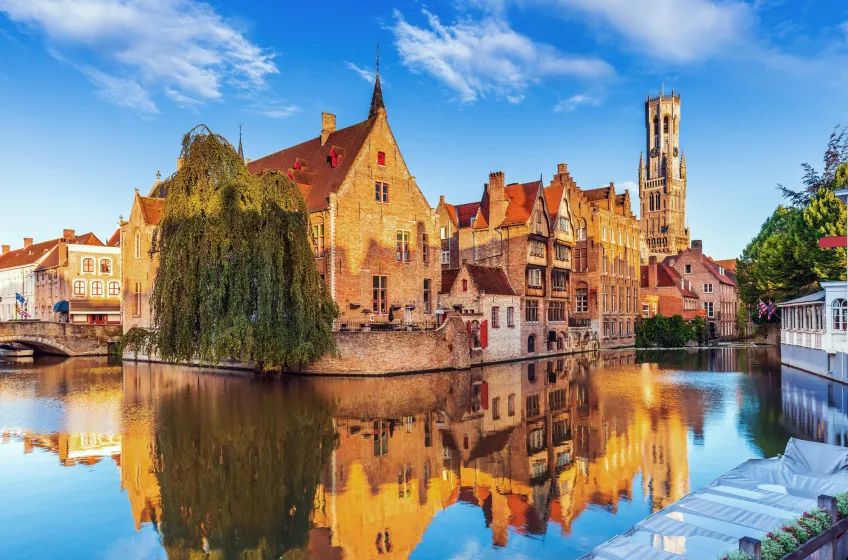
West Flanders is a province of contrasts, offering an array of experiences. Its star attraction, Bruges, captivates visitors with its canals, medieval architecture, and romantic charm, earning it the nickname “Venice of the North.” Beyond Bruges, you’ll find historic towns like Ypres, known for its poignant World War I sites, and the lively coastal resorts of Ostend and De Haan. West Flanders is also a gastronomic hotspot, famous for its beers, chocolates, and fresh seafood. The region’s rich cultural heritage, combined with its natural beauty and seaside charm, makes it a perfect getaway.
West Flanders Highlights: Things to See and Do in West Flanders
Bruges
The jewel of West Flanders, Bruges is a UNESCO World Heritage Site renowned for its canals, cobbled streets, and medieval buildings. Highlights include the iconic Belfry of Bruges, the Basilica of the Holy Blood, and the Markt, a bustling central square surrounded by colourful guild houses. Take a boat tour along the canals or visit the Groeningemuseum to admire Flemish art. Bruges is also known for its lace-making tradition and delectable chocolates.
Ypres and World War I Memorials
Ypres (Ieper) is a must-visit for history enthusiasts, offering a profound look at the impact of World War I. The Menin Gate Memorial, where the Last Post ceremony is held every evening, honours the soldiers who died in the Ypres Salient. The In Flanders Fields Museum provides an immersive experience into the war’s history. Nearby, you can visit preserved trenches and moving cemeteries like Tyne Cot.
Ostend
Ostend is West Flanders’ largest coastal city and a lively seaside destination. Known as the "Queen of the Belgian Coast," Ostend offers sandy beaches, a vibrant promenade, and cultural attractions like the Mu.ZEE art museum and Fort Napoleon. Fresh seafood, particularly Ostend shrimp croquettes, is a highlight of any visit.
De Haan
De Haan is a charming coastal village known for its Belle Époque architecture and peaceful beaches. The town’s picturesque villas and lack of high-rise buildings give it a nostalgic, old-world charm. Its wide sandy beach is perfect for families, and its tranquil atmosphere makes it a relaxing escape.
Damme
Just a short bike ride from Bruges, Damme is a quaint village known for its literary history and scenic beauty. Stroll along the canal, visit the Church of Our Lady, and explore its independent bookstores. It’s a popular destination for cycling and walking enthusiasts.
Roeselare
Roeselare is a vibrant town in the heart of West Flanders, known for its cycling heritage. Visit the KOERS Museum of Cycling to learn about Belgium’s passion for the sport. The city also features a lively market square and charming shopping streets.
Belgian Coast and Beaches
The Belgian coast stretches for 67km and is dotted with seaside towns, each offering its own character. Knokke-Heist is an upscale resort with chic boutiques and art galleries, while Nieuwpoort combines a modern marina with a rich history. A tram line runs the length of the coast, making it easy to explore multiple destinations.
Kortrijk
Kortrijk is a dynamic city with a blend of history and modernity. Visit the Broel Towers, the medieval Béguinage, and the contemporary Buda Island, a hub for arts and culture. Kortrijk’s Great Market Square is a lively spot for dining and people-watching.
Poperinge
Poperinge, known as the "hops capital" of Belgium, is a paradise for beer lovers. Visit the Hop Museum to learn about the region’s brewing tradition, and explore local breweries like St. Bernardus and De Plukker. The town also has ties to World War I, with the poignant Talbot House museum showcasing the lives of soldiers behind the front lines.
Westhoek Nature Region
Westhoek is a serene region of rolling hills, vineyards, and picturesque villages. It’s ideal for cycling and hiking, with routes that take you through peaceful countryside and past historic landmarks.
Practical Advice for Visitors
Getting There
West Flanders is well-connected to Belgium’s major cities. Bruges is an hour’s train ride from Brussels, and other towns like Ypres, Kortrijk, and Ostend are easily accessible by train or car. For international visitors, Brussels Airport is the most convenient entry point, with direct train connections to Bruges and other parts of West Flanders.
Getting Around
The province’s excellent public transport system makes it easy to explore. Regional trains and buses connect major towns, while coastal tram services run along the entire coastline. Renting a bike is a great way to explore Bruges, Damme, and the countryside.
Accommodation
West Flanders offers a wide range of accommodations, from luxury hotels in Bruges to cosy B&Bs in smaller towns like Damme and Poperinge. Seaside resorts like Knokke-Heist and Ostend have beachfront hotels, while rural guesthouses provide a peaceful retreat in the countryside.
Dining
The province is a culinary treasure trove. Local specialities include waterzooi (a creamy fish or chicken stew), shrimp croquettes, and Moules-frites (mussels and fries). Beer enthusiasts should try local brews like Westvleteren and St. Bernardus, while chocolate lovers will find some of Belgium’s finest chocolates in Bruges and beyond.
Best Time to Visit
Spring and summer are ideal for exploring West Flanders’ towns, beaches, and countryside, with pleasant weather and lively festivals. Autumn brings colourful foliage and quieter attractions, while winter adds festive charm, especially in Bruges with its Christmas markets.
Events and Festivals
West Flanders hosts numerous events, including the Bruges Beer Festival in February and the Zoute Grand Prix, a vintage car rally in Knokke-Heist. In Ypres, the annual Armistice Day commemorations on November 11th attract visitors from around the world.
Exploring Beyond West Flanders
West Flanders’ central location makes it an excellent base for exploring Belgium. Ghent, Antwerp, and Brussels are all within easy reach by train. For those interested in World War I history, the nearby Somme region in France offers additional battlefields and memorials.
Shortlist
- Your Shortlist is empty