
Discover De Haan | A Visitor's Introduction to De Haan
Recommended places to visit, places to stay and things to do in and around De Haan
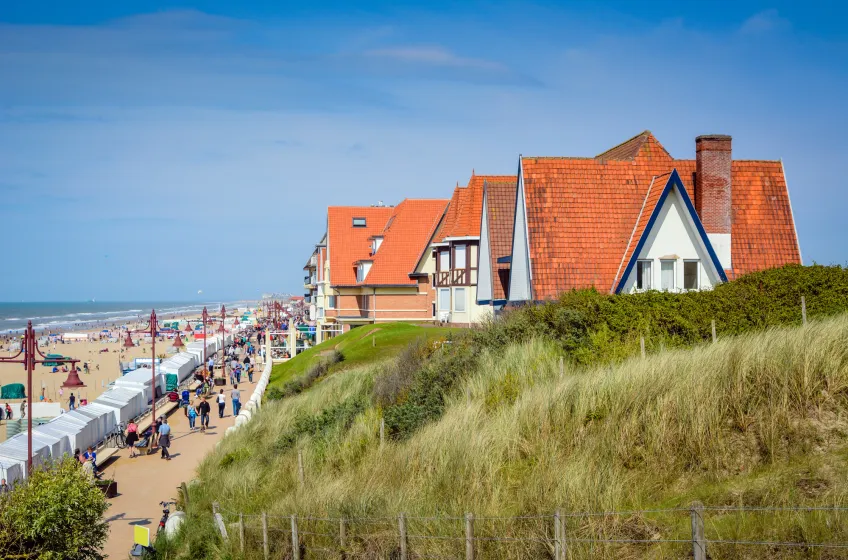
De Haan is one of Belgium’s most charming coastal towns, known for its Belle Époque architecture, broad sandy beach, and relaxed seaside atmosphere. Located along the North Sea between Ostend and Blankenberge, it stands out from other Belgian resorts for its low-rise skyline – a conscious decision to preserve its early 20th-century elegance. With tree-lined avenues, white villas, and gentle dunes, De Haan feels more like a seaside village than a busy resort, making it a favourite for families, cyclists, and anyone seeking a quieter coastal escape.
Recommended De Haan accommodation: Hotels
Why is De Haan Worth a Visit?
De Haan is worth visiting for its unique blend of seaside relaxation and historical charm. While many Belgian coastal towns embraced modern high-rise apartment blocks, De Haan resisted, retaining a distinctive Belle Époque style that transports visitors back to a gentler age. The result is a picturesque and human-scaled resort where you can stroll from the beach to leafy neighbourhoods without losing sight of the sea.
The town is ideal for long walks along the promenade, cycling through the dunes, or simply enjoying a book in a sunny café. It’s also famously associated with Albert Einstein, who lived here briefly in 1933 after fleeing Nazi Germany. Whether you’re here for a summer holiday, an autumn weekend, or a spring day trip, De Haan offers a refreshing change of pace.
De Haan Highlights: Things to See and Do in De Haan
De Haan Beach
Stretching for kilometres, De Haan’s sandy beach is wide, clean, and family-friendly. Unlike busier resorts, it’s rarely overcrowded, even in peak summer. There are sections with beach bars and rentals for sun loungers, as well as quieter stretches perfect for peaceful walks or kite flying.
Belle Époque Architecture
The Concessie district is the heart of De Haan’s charm, with its winding streets, gardens, and villas from the late 19th and early 20th centuries. Many buildings feature ornate balconies, wooden shutters, and decorative gables. A self-guided walking tour is the best way to admire them.
Albert Einstein Statue
A small but popular landmark, the bronze statue of Albert Einstein sits in a park near the tram stop, commemorating his time in De Haan in 1933. It’s a nice stop for photos and a quick piece of local history.
Promenade and Dunes
The sea promenade offers gentle strolls with views over the beach, while the surrounding dunes have well-marked paths for walking and cycling. These natural areas are great for birdwatching and enjoying the fresh sea air.
Spioenkop Viewpoint
A short climb up this dune gives panoramic views over De Haan, the coast, and the inland polders. It’s especially beautiful at sunrise or sunset, and a great spot for photography.
Coastal Tram (Kusttram)
De Haan is served by the Belgian Coastal Tram, the longest tram line in the world, running from Knokke-Heist to De Panne. A ride along this route offers easy access to neighbouring resorts, nature reserves, and attractions without needing a car.
Cycling Routes
The area around De Haan is perfect for cycling, with flat, scenic routes leading through dunes, forests, and rural villages. Bike rental shops in town make it easy to explore on two wheels.
Practical Advice for Visitors
Getting There
De Haan is about 15 minutes by car from Ostend and 25 minutes from Bruges. There’s no direct train station, but you can take a train to Ostend or Blankenberge and then connect via the Coastal Tram, which stops right in the centre of De Haan.
Parking
Free and paid parking is available in and around De Haan. In summer, it’s best to arrive early to find a convenient spot, especially near the beach or Concessie district.
Dining
De Haan offers a mix of seafood restaurants, brasseries, and cafés. Bristol Brasserie is known for fresh North Sea fish dishes, while Villa de Torre offers Belgian classics in a cosy villa setting. For a sweet treat, try a warm waffle or artisanal ice cream from a promenade vendor.
Shopping
The town has small boutiques, bakeries, and gift shops rather than large shopping streets. Local delicacies, beachwear, and decorative items are the main finds. For more extensive shopping, nearby Ostend or Bruges is a short tram or car ride away.
When to Visit
Summer is the most popular time, with warm weather and beach activities in full swing. Spring and autumn are quieter but still pleasant for walking and cycling. Winter brings a peaceful, windswept beauty to the coast and lower prices for accommodation.
Local Events
De Haan hosts small-scale music concerts, art exhibitions, and seasonal markets, especially in summer. The Belle Époque Festival celebrates the town’s architectural heritage with guided tours, period costumes, and cultural activities.
Exploring Beyond De Haan
The Coastal Tram makes it easy to visit neighbouring seaside towns like Blankenberge (with its pier and sealife centre) or Oostende (with museums and a working harbour). Inland, Bruges is an unmissable trip for medieval architecture, canals, and Belgian chocolate. Nature lovers can head to the Uitkerkse Polder for birdwatching or the Zwin Nature Park near Knokke-Heist.
Shortlist
- Your Shortlist is empty