
Discover Vaucluse | A Visitor's Introduction to Vaucluse
Vaucluse is a dazzlingly diverse department in the Provence-Alpes-Côte d’Azur region of southeastern France, celebrated for its historic towns, sunlit vineyards, lavender fields, and picture-perfect hilltop villages. With the Rhône River to the west and the jagged peaks of the Luberon and Mont Ventoux to the east and north, Vaucluse blends rugged natural beauty with centuries of cultural richness. It's the heart of Provence, and a dream destination for lovers of food, wine, heritage, and glorious southern light.
From the papal grandeur of Avignon to the ochre cliffs of Roussillon, the slopes of Mont Ventoux to the vineyards of Châteauneuf-du-Pape, Vaucluse offers a slow, sensuous journey through one of France’s most evocative landscapes.
Recommended Vaucluse Accommodation: Hotels
Why is Vaucluse Worth a Visit?
Vaucluse is worth visiting for its balance of natural splendour, cultural heritage, and Provençal charm. It’s a place where medieval towns, Roman ruins, and rustic villages are set amid rolling countryside and lavender fields. Its dry Mediterranean climate, warm light, and seasonal rhythms have drawn artists, writers, and travellers for centuries.
The region is compact but varied—ideal for slow travel, whether by car, bike, or on foot. You’ll find UNESCO World Heritage Sites, local markets bursting with colour, seasonal festivals, and warm, welcoming communities. Whether you’re a wine lover, a history buff, an outdoor enthusiast, or a curious wanderer, Vaucluse provides a rich and authentic experience at every turn.
Vaucluse Highlights: Things to See and Do in Vaucluse
Avignon
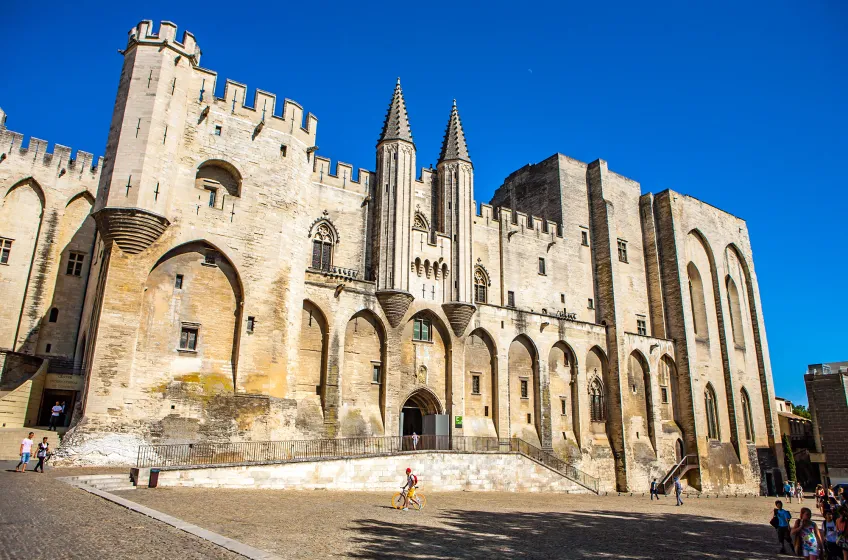
The historic city of Avignon is Vaucluse’s cultural capital and one of France’s most beautiful cities. Famous for being the seat of the papacy in the 14th century, it boasts the Palais des Papes, an immense Gothic palace that dominates the skyline. Explore the cobbled old town, walk the Pont Saint-Bénézet (the famous Pont d’Avignon), and relax in leafy Rocher des Doms park with panoramic views over the Rhône.
Don’t miss the Festival d’Avignon in July—Europe’s most prestigious theatre event, which transforms the city into a stage.
Gordes
Perched dramatically on a hill in the Luberon, Gordes is often called one of the most beautiful villages in France. Its golden-stone houses, steep cobbled lanes, and panoramic views make it an essential stop. Visit the Château de Gordes, explore local art galleries and shops, and take a walk to the nearby Abbaye de Sénanque, a Cistercian abbey framed by lavender fields in summer.
Mont Ventoux
Known as the “Giant of Provence,” Mont Ventoux rises to 1,912 metres and is a bucket-list climb for cyclists (frequently featured in the Tour de France). The road to the summit offers spectacular views across Provence, and in winter, there’s even skiing. Hikers and nature lovers will enjoy the surrounding Mont Ventoux Biosphere Reserve, a UNESCO-listed site with varied flora and fauna.
Nearby towns like Bédoin and Malaucène are popular bases for outdoor activities and local wine tasting.
Roussillon
Roussillon is a striking village built amid rich red and orange ochre cliffs, earning it the nickname “Provence’s Colorado.” Wander the narrow streets lined with colourful houses, then walk the Sentier des Ocres, a short trail through former ochre quarries. The colours are particularly vivid in the early morning or late afternoon light.
It’s also an excellent base for exploring the Luberon Regional Natural Park.
L'Isle-sur-la-Sorgue
Known as the “Venice of Provence,” L’Isle-sur-la-Sorgue is crisscrossed by canals and old water wheels. It’s one of France’s top destinations for antiques and vintage shopping, with dozens of dealers and several annual fairs. The Sunday market is one of the best in Provence, combining fresh produce, artisanal products, and antiques.
Stop for lunch at a riverside café and enjoy the gentle flow of life in this elegant town.
Vaison-la-Romaine
Vaison-la-Romaine is a fascinating blend of Roman, medieval, and modern life. Explore extensive Roman ruins, including a theatre, houses, and bridges, then climb to the upper town with its narrow lanes and hilltop castle. The Tuesday market is a highlight, drawing locals and visitors from all over the region.
Nearby, you’ll find the wine villages of the Dentelles de Montmirail—a hiker’s and wine lover’s paradise.
Châteauneuf-du-Pape
One of the world’s most famous wine appellations, Châteauneuf-du-Pape is a small village surrounded by vineyards and rolling hills. Visit wine cellars for tastings, explore the ruins of the Papal summer residence, and enjoy local gastronomy at relaxed bistros or high-end restaurants.
Many estates offer tastings and direct sales, and a few offer vineyard tours or even grape-stomping in harvest season.
Fontaine-de-Vaucluse
This pretty riverside village is home to the source of the Sorgue River, a mysterious, powerful spring gushing from the foot of a cliff. It’s the largest spring in France and has long fascinated poets and geologists alike. There are short riverside walks, watermills, and museums to explore—including one dedicated to the poet Petrarch, who lived here.
It’s an excellent stop for kayaking, picnics, or simply a cool retreat on a hot summer day.
Orange
Orange is best known for its Roman theatre, one of the best-preserved in the world, still used for open-air opera and concerts. The Triumphal Arch and Museum of Roman Civilization add to its ancient appeal. The Chorégies d’Orange, an annual opera festival held in the theatre, is an unforgettable cultural experience.
The town itself is relaxed, walkable, and surrounded by vineyards.
Ménerbes, Bonnieux, and Lacoste
These hilltop Luberon villages are each worth exploring. Ménerbes is an artists’ haven made famous by Peter Mayle’s A Year in Provence, Bonnieux offers stunning valley views and a charming old church, and Lacoste is known for its ruined château once owned by the Marquis de Sade, now associated with the Savannah College of Art and Design (SCAD).
You can visit all three in a scenic day trip through the Luberon.
Practical Advice for Visitors
Getting There
The best way to reach Vaucluse is by train or car:
-
Avignon TGV station connects with Paris (2h40), Lyon (1h15), Marseille (35 mins)
-
Orange, Cavaillon, and Carpentras also have regional train links
For air travel, the closest airports are:
-
Marseille Provence Airport (1–1.5 hours by car)
-
Avignon-Provence Airport (seasonal and limited flights)
A car is essential for exploring villages, vineyards, and rural areas.
Parking
Most towns and villages have well-signposted car parks. In high season, parking in places like Gordes or L’Isle-sur-la-Sorgue can be tight, so arrive early. Avoid driving into historic centres, many of which are pedestrian-only or very narrow.
Dining
Vaucluse is a food lover’s haven. Look out for:
-
Truffles (especially around Richerenches and Carpentras)
-
Goat cheese from Banon and Ventoux
-
Lamb, ratatouille, and fougasse
-
Wines from Châteauneuf-du-Pape, Gigondas, Vacqueyras, and Luberon
From Michelin-starred restaurants to rustic ferme-auberges, the region excels in seasonal, locally sourced cuisine.
Shopping
Great souvenirs and regional products include:
-
Lavender oil and sachets
-
Provençal tablecloths and fabrics
-
Honey and nougat
-
Olive oils and tapenades
-
Handmade soaps
-
Local wines and liqueurs
Weekly markets are held in every town and village—Apt on Saturday and L’Isle-sur-la-Sorgue on Sunday are two of the most famous.
When to Visit
-
Spring (April–June): Wildflowers, mild temperatures, and fewer crowds
-
Summer (July–August): Lavender season, festivals, and high season bustle
-
Autumn (September–October): Wine harvest, golden landscapes, perfect weather
-
Winter (November–March): Quiet charm, truffle season, and crisp days
Lavender typically blooms from late June to mid-July. Truffle markets peak in January and February.
Local Events
-
Festival d’Avignon (July): France’s most important performing arts festival
-
Chorégies d’Orange (July–August): World-class opera in a Roman theatre
-
Fête de la Lavande (July): Lavender celebrations across the plateau
-
Truffle Markets in Richerenches and Carpentras (winter)
-
Vaison Dance Festival (July): Contemporary dance in a Roman setting
Exploring Beyond Vaucluse
Vaucluse is central to Provence, making it easy to explore further afield:
-
Aix-en-Provence and Marseille (1–1.5 hours)
-
Arles and the Camargue wetlands (1 hour)
-
Nîmes and the Pont du Gard (45 mins–1 hour)
-
Verdon Gorge (2 hours)—perfect for a dramatic day trip
Vaucluse is Provence at its most captivating—a land of hilltop villages, vineyard-covered slopes, Roman roads, and lavender-scented breezes. Whether you’re sipping wine in the shade of a plane tree, cycling up Mont Ventoux, or exploring cobbled lanes with a baguette under your arm, Vaucluse invites you to slow down, breathe in the sun-drenched air, and experience the art of living, Provençal style.
Shortlist
- Your Shortlist is empty