
A Visitor's Introduction to Saintes-Maries-de-la-Mer
Recommended places to visit, places to stay and things to do in Saintes-Maries-de-la-Mer
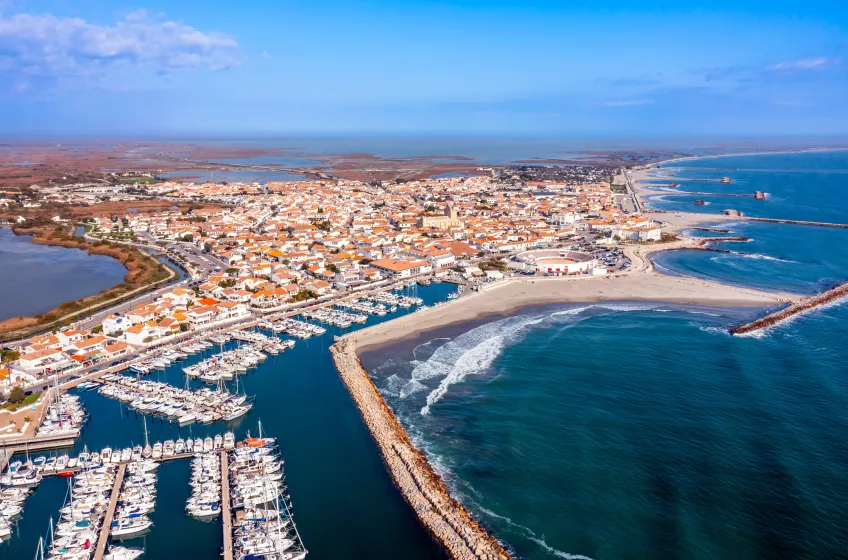
Saintes-Maries-de-la-Mer is a characterful seaside town nestled in the heart of the Camargue in southern France’s Bouches-du-Rhône department. Situated where the Rhône River meets the Mediterranean Sea, it’s a place of wild landscapes, unique cultural traditions, and deep spiritual roots. Known for its whitewashed houses, wide beaches, Romani pilgrimages, and Camargue cowboys, Saintes-Maries-de-la-Mer offers a captivating blend of natural beauty, folklore, and French Mediterranean charm.
Whether you’re drawn to wildlife and wetlands, religious history, horse riding through salt marshes, or simply relaxing by the sea, this town offers a unique and unforgettable experience.
Recommended Saintes-Maries-de-la-Mer Accommodation: Hotels Bed & Breakfasts
Why is Saintes-Maries-de-la-Mer Worth a Visit?
Saintes-Maries-de-la-Mer is worth visiting for its remarkable atmosphere—a mixture of tradition, tranquillity, and vibrant cultural identity. As the spiritual capital of the Camargue, the town hosts some of the most important Romani pilgrimages in Europe, giving it a sense of cultural significance that sets it apart from typical beach resorts.
The surrounding Camargue Regional Nature Park offers salt flats, flamingo-filled lagoons, and marshes where wild white horses roam. The town itself remains authentic, with narrow lanes, artisan shops, and waterfront promenades, all within a walkable area. It’s a place where traditions are alive and visible—from the gardians (Camargue cowboys) riding through the marshes, to bull herding festivals and flamenco performances under the stars.
Whether you want to experience traditional Camargue life, explore unspoiled natural environments, or join in one of the town’s famous religious processions, Saintes-Maries-de-la-Mer delivers a truly original slice of southern France.
Saintes-Maries-de-la-Mer Highlights: Things to See and Do in Saintes-Maries-de-la-Mer
Église des Saintes-Maries
The town’s dramatic Romanesque church, dating from the 9th to 12th centuries, is its spiritual and cultural heart. Originally built as a fortified refuge against Saracen attacks, it’s now a significant pilgrimage site, especially for the Romani community.
Don’t miss:
-
The crypt, where the statue of Sainte Sara, patron saint of the Romani people, is richly adorned with colourful offerings.
-
The church rooftop, which you can climb for sweeping views of the town, the sea, and the surrounding wetlands.
The church is the focal point of the May and October pilgrimages, during which thousands of visitors fill the square for processions and religious celebrations.
Romani Pilgrimages
Saintes-Maries-de-la-Mer is internationally known for its Romani pilgrimages, held twice a year—on 24–25 May and again in October. The May pilgrimage in honour of Sainte Sara sees crowds of Romani families arriving from across Europe.
Highlights include:
-
The emotional statue procession to the sea
-
Candlelit masses and traditional music
-
Festive street scenes full of guitars, singing, and dancing
Whether you're a participant or a respectful observer, the pilgrimages are a moving cultural event and a unique insight into Romani spiritual life.
Camargue Regional Nature Park
Just beyond the town lies one of France’s most distinctive ecosystems—the Camargue, a vast, flat, and watery expanse of marshes, rice paddies, reed beds, and salt lagoons. The area is famous for:
-
Wild pink flamingos
-
White Camargue horses
-
Semi-wild black bulls
-
Over 400 species of birds
Explore it:
-
On horseback: Many local ranches offer rides through wetlands and dunes.
-
By bike: Cycle routes wind through the countryside and along the coast.
-
On foot: Walks around lagoons and salt flats are peaceful and scenic.
-
By 4x4 safari or guided tour: Learn about the ecology and traditions of the Camargue.
A highlight is the Parc Ornithologique de Pont de Gau, a bird reserve with walking trails and up-close views of herons, egrets, and flamingos in their natural habitat.
Plage des Saintes-Maries-de-la-Mer
The town offers miles of sandy beach, easily accessible and ideal for swimming, sunbathing, or walking beside the Mediterranean. The main beach near the old town is well equipped and family-friendly, while quieter beaches can be found further east and west of the centre.
In the off-season, the beaches are wonderfully peaceful. In summer, they’re lively and full of activity—but rarely feel overcrowded.
Manades and Gardian Culture
A visit to a manade (a Camargue ranch) is a great way to experience the local gardian culture. These ranches raise Camargue bulls and horses, often in open marshland conditions.
Many manades welcome visitors for:
-
Bull herding demonstrations
-
Traditional gardian horse shows
-
Dinners or open-air meals with local food and music
-
Courses camarguaises: A local, non-lethal form of bullfighting focused on athleticism
You can often combine a manade visit with a horseback ride, a 4x4 tour, or a Camargue-style feast.
Musée Baroncelli
This small museum is dedicated to Folco de Baroncelli, a writer and folklorist who helped revive and preserve Camargue identity. Exhibits include:
-
Traditional clothing
-
Historical photographs
-
Bullfighting memorabilia
-
Tools used in horse and cattle raising
It’s an ideal spot to get a feel for the region’s people, customs, and fierce pride in their heritage.
Evening Walks and Sunsets
Saintes-Maries-de-la-Mer is a beautiful place to explore on foot, especially as the heat of the day fades. Stroll:
-
Along the waterfront promenade, where you'll find seafood restaurants and open-air bars
-
Over the dunes, where you'll catch some of the most dramatic sunsets in Provence
-
Through the old town, which is particularly charming in the evening when its white façades glow golden
Many nights in summer, the streets fill with the sounds of gypsy guitars and spontaneous dancing.
Practical Advice for Visitors
Getting There
By Car: The easiest way to reach Saintes-Maries-de-la-Mer is by road. From:
-
Arles: about 45 minutes via the D570
-
Nîmes or Montpellier: around 1.5 hours
-
Marseille: around 2 hours
The route from Arles is especially scenic, crossing wetlands and rice fields full of wildlife.
By Public Transport: In high season, a bus connects Arles to Saintes-Maries. Outside summer, services are limited, so a car is highly recommended.
Parking
There are multiple car parks around town, especially near the beaches and town centre. Most are paid (either hourly or day rates), but prices are reasonable. In peak season or during festivals, arrive early to secure a space.
Dining
Food in Saintes-Maries-de-la-Mer reflects the flavours of the Camargue, Provence, and the Mediterranean. Expect fresh seafood and rustic meat dishes, often cooked over open flames.
Local favourites include:
-
Gardiane de taureau: Slow-cooked bull meat stew, rich and hearty
-
Mussels or fish in aïoli: With garlicky mayonnaise and vegetables
-
Camargue rice dishes: Often red rice with seafood or game
-
Fougasse: A sweet bread with orange blossom, perfect with coffee
-
Flamenco-style tapas and wine, especially during music events
Restaurants range from casual beachfront terraces to traditional Provençal bistros. In the evenings, many offer live music, especially flamenco or gypsy jazz in summer.
Shopping
Saintes-Maries is a great place to find:
-
Camargue rice, sea salt, and local honey
-
Handmade leather goods, especially boots and belts
-
Santons (Provençal figurines)
-
Gypsy-style jewellery, clothing, and flamenco-inspired items
-
CDs of traditional Romani or Camargue music
The market days (Wednesday and Friday) are lively and colourful, with stalls selling local produce, crafts, clothes, and gifts.
When to Visit
-
May and October: Best for experiencing the famous pilgrimages, with lively celebrations and cooler temperatures.
-
June to September: Ideal for beach holidays, horse riding, and nature tours. Expect heat and busy beaches, but plenty of events.
-
Spring (March–April): Great for birdwatching, with fewer crowds and blooming wildflowers.
-
Winter: Quiet and peaceful. While some businesses close, the town remains atmospheric, especially for nature lovers.
Local Events
-
May 24–25: The major Romani pilgrimage in honour of Sainte Sara and the Saints Marys, featuring processions, mass, and celebrations.
-
October 22: A smaller but still significant pilgrimage, with similar processions and festivities.
-
Summer festivals: Including bull games, music nights, horse shows, and night markets.
-
Courses camarguaises: Held throughout summer, this unique local sport is a must-see.
Exploring Beyond Saintes-Maries-de-la-Mer
With a car, it’s easy to explore nearby highlights:
-
Aigues-Mortes: A medieval walled town, beautifully preserved and full of charm.
-
Arles: A UNESCO World Heritage site with Roman monuments and a strong Van Gogh connection.
-
Le Grau-du-Roi and Espiguette Beach: For more expansive, windswept beaches and sand dunes.
-
Salins du Midi: Vast pink salt flats near Aigues-Mortes, with guided tours and spectacular views.
-
Camargue manades and countryside: Visit ranches or take a 4x4 tour to go deeper into the region’s wildlife and traditions.
Saintes-Maries-de-la-Mer isn’t just a destination—it’s an experience. It’s a place where ancient rituals, wild nature, and sun-drenched Mediterranean life coexist in perfect harmony. Whether you’re drawn by the flamingos, the flamenco, the bull games, or the beauty of the marsh at sunset, the town has a rhythm and soul all its own. Come with curiosity and leave with unforgettable memories.
Shortlist
- Your Shortlist is empty