
Discover Pegasus Bridge | A Visitor's Introduction to Pegasus Bridge
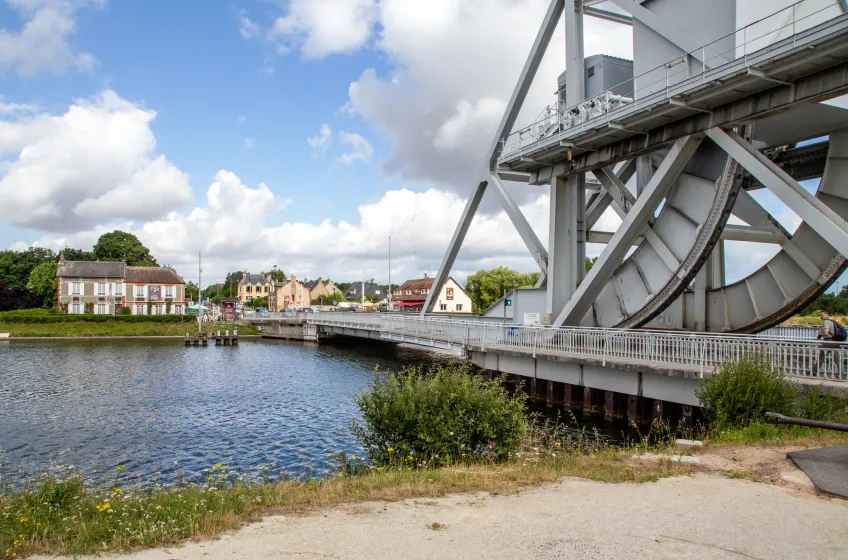
Pegasus Bridge, officially known as Bénouville Bridge, is a historically significant site located in the Normandy region of northern France. Spanning the Caen Canal near the village of Bénouville, the bridge played a vital role during the D-Day landings on 6 June 1944. It was the first objective to be captured by British forces in the early hours of the Allied invasion of Nazi-occupied France. The successful seizure of the bridge by glider-borne troops from the 6th Airborne Division helped secure the eastern flank of the invasion area and prevent German counterattacks from disrupting landings on Sword Beach. Today, the site is preserved as a memorial and museum dedicated to the men who participated in the operation and serves as a focal point for those wishing to understand the intricacies of the Normandy landings.
Pre-book D-Day Landing Beaches Attractions, Tours & Experiences
Why Is Pegasus Bridge Worth a Visit?
Visiting Pegasus Bridge offers a unique opportunity to connect with a pivotal moment in World War II history. Unlike many historical sites that require imagination to reconstruct events, Pegasus Bridge has been meticulously preserved and is complemented by a nearby museum that vividly brings the events of 6 June 1944 to life. The site is not only informative for those with a keen interest in military history, but also engaging for visitors of all ages who wish to understand the personal sacrifices and strategic challenges of the Allied invasion. The blend of original artefacts, reconstructed gliders, and detailed storytelling allows visitors to gain a thorough appreciation of the role Pegasus Bridge played in the broader context of the liberation of France and the eventual Allied victory in Europe.
Pegasus Bridge Highlights
The Original Pegasus Bridge
The original Bénouville Bridge was replaced in 1994 due to structural concerns but is preserved on the grounds of the nearby Pegasus Memorial Museum. Visitors can view the original steel structure, which has been carefully maintained, and walk across it to imagine the exact moment British troops stormed it during the early hours of D-Day. Its proximity to the current operational bridge adds context to the engineering involved and allows comparisons between past and present.
Pegasus Memorial Museum
Located just a short walk from the bridge, the Pegasus Memorial Museum (Mémorial Pegasus) is the central interpretive centre for the site. Opened in 2000 by Prince Charles and veterans of the operation, the museum houses an extensive collection of photographs, documents, uniforms, and personal accounts related to the 6th Airborne Division. The museum’s layout follows a chronological path, beginning with the division’s formation and training, moving through their role in D-Day, and concluding with their post-war legacy.
Life-size Replica of a Horsa Glider
One of the museum's standout features is the full-scale replica of an Airspeed Horsa glider, the type used by British troops to carry out the silent night-time landing on 6 June 1944. This glider is displayed outdoors and gives a powerful visual sense of the size, fragility, and daring nature of the airborne assault. Informative panels explain the glider’s construction, its operational use, and the challenges faced by pilots navigating unpowered aircraft in darkness behind enemy lines.
Monument to Major John Howard and the Glider Troops
A statue and commemorative plaque near the bridge pay tribute to Major John Howard, the commanding officer who led the coup de main operation to capture the bridge. The monument honours not only Howard’s leadership but also the bravery of the glider troops under his command. It serves as a focal point for remembrance events held annually around the D-Day anniversary.
Café Gondrée
Situated just beside the current Pegasus Bridge, Café Gondrée holds the distinction of being the first building in France to be liberated during the Normandy invasion. Still operated by the descendants of the Gondrée family, the café contains a small display of wartime memorabilia and continues to welcome visitors. Its friendly, lived-in atmosphere offers a contrast to the more formal museum and provides a direct link to the civilian experience of the war.
Commemorative Path and Memorial Garden
The grounds surrounding the museum and bridge include a commemorative path lined with plaques honouring the units and individuals involved in the operation. A landscaped garden area provides a peaceful space for reflection, with benches and shaded spots suitable for rest. This thoughtful landscaping encourages visitors to spend time absorbing the significance of the location beyond the main exhibits.
Current Pegasus Bridge
The current Pegasus Bridge, installed in 1994, continues to function as a working drawbridge over the Caen Canal. Though not the original structure, it is an accurate replica and is located at the exact same point where the wartime events took place. Watching the bridge raise and lower offers a sense of the ongoing utility of this location, while information panels on-site ensure its historical context remains clear.
Displays on Airborne Equipment
Inside the museum, numerous display cases contain authentic equipment used by British airborne troops. This includes weapons, medical kits, radio gear, and parachute harnesses. These artefacts are often accompanied by personal stories and photographs that make the objects more than static displays—each item helps tell the story of individual soldiers and their experiences.
Audiovisual Presentations
The museum includes several short films and multimedia presentations that provide both overview and depth to the events of 6 June 1944. Using a mix of archival footage, interviews with veterans, and animated maps, these presentations help to contextualise the airborne assault within the broader D-Day operations.
Interpretation for Children
The Pegasus Memorial Museum is also accessible for younger visitors, with simplified interpretive panels and activity booklets available in both French and English. This effort to engage children ensures the museum can be part of a family visit without losing the seriousness of the subject matter.
Facilities
The Pegasus Memorial Museum includes a gift shop selling books, commemorative items, and toys, many of which are produced in partnership with local artisans and publishers. A small café within the museum provides drinks and light snacks, while toilets and baby-changing facilities are available on-site. The site is largely wheelchair accessible, with ramps and level pathways connecting the museum to the bridge and memorial gardens. Parking is free and spacious enough to accommodate cars and coaches, making the site suitable for both individual travellers and group tours.
Café Gondrée, although independent of the museum, offers refreshments and light meals, and its outdoor seating is particularly pleasant during the warmer months. Public toilets are also available near the bridge.
Nearby Attractions
Pegasus Bridge is well positioned for those exploring the broader Normandy battlefields. Just a short drive away is the town of Ouistreham, where Sword Beach—the easternmost of the five Allied landing beaches—is located. Here, visitors can explore the Atlantic Wall Museum housed in a German command bunker, as well as the D-Day Museum located near the ferry terminal.
Caen, approximately 15 kilometres to the south-west, is home to the Caen Memorial Museum (Mémorial de Caen), a major centre of learning on World War II, the Holocaust, and post-war reconciliation. The museum is extensive and well curated, offering a broader view of the conflict than Pegasus Bridge alone.
Also nearby is Ranville, the first village liberated by Allied forces on D-Day and the location of the Ranville War Cemetery, where many of the British soldiers involved in the airborne landings are buried. The churchyard and cemetery offer a more personal and contemplative experience, surrounded by the peaceful Normandy countryside.
Travelling slightly further afield, the Normandy American Cemetery near Omaha Beach, and the Arromanches 360° Cinema at Gold Beach, are part of the wider Normandy D-Day experience and can be included in a multi-day itinerary.
Practical Advice
The Pegasus Memorial Museum is open year-round, although hours vary by season. It is typically open from late morning to early evening during peak months (April to October) and may close earlier during the winter. It is advisable to check the museum’s official website for up-to-date opening times and special event announcements, particularly around 6 June, when D-Day commemorations often include reenactments and veteran appearances.
The site is best visited by car, as public transport options are limited. Car hire from Caen is a practical choice, and signage to Pegasus Bridge is clear and consistent. For those without a vehicle, some tour operators based in Caen or Bayeux offer guided tours that include Pegasus Bridge as part of a day-long itinerary.
Visitors should allocate at least two hours to fully appreciate the museum and bridge, although those with a deep interest in the subject may wish to spend half a day exploring the displays, grounds, and nearby memorials. Comfortable footwear is recommended, as much of the site is outdoors, and walking between the museum and the bridge is required.
Photography is permitted in most areas of the museum and around the bridge, though flash may be restricted in some interior displays. Interpretive materials are available in French and English, and museum staff are generally bilingual and knowledgeable.
While summer months offer the best weather, they also bring larger crowds, especially around D-Day anniversary events in early June. Visiting in spring or early autumn provides a quieter experience without sacrificing access to exhibits.
Conclusion
Pegasus Bridge stands as a symbol of precision, bravery, and strategic importance in the context of the D-Day landings. Through a combination of well-preserved historical structures, thoughtfully curated museum exhibits, and accessible interpretation, the site provides a compelling and informative experience for anyone interested in the Second World War. Whether as part of a larger Normandy itinerary or a focused visit to explore airborne operations in detail, Pegasus Bridge offers insight not only into military history but also into the human stories that defined one of the most critical moments of the 20th century.
Shortlist
- Your Shortlist is empty