
Discover The Marais | A Visitor's Introduction to The Marais District
Recommended places to visit, places to stay and things to do in The Marais
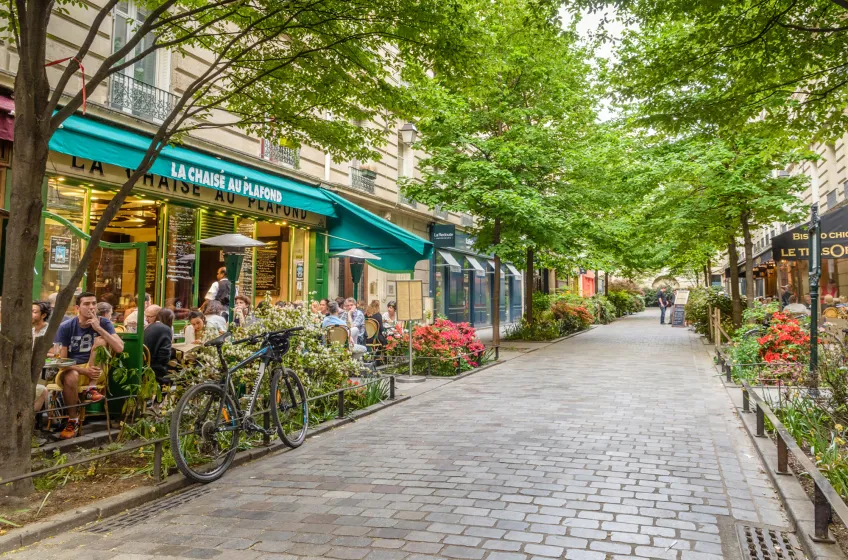
Le Marais is one of Paris’s most captivating neighbourhoods, located mainly in the 3rd and 4th arrondissements on the Right Bank of the Seine. Known for its cobbled streets, aristocratic mansions, and vibrant mix of Jewish, LGBTQ+, and artistic culture, this historic quarter blends old-world charm with a fashionable modern vibe. Once the swampy land that gave it its name (“marais” means marsh), today it’s one of the city’s trendiest districts and a must-visit for anyone exploring Paris.
Recommended Marais Accommodation: Hotels
Pre-book Paris Attractions, Tours & Experiences
Why is The Marais Worth a Visit?
The Marais is worth visiting for its unique blend of history, culture, and style. Unlike many parts of Paris that were transformed by Baron Haussmann’s 19th-century redesign, Le Marais largely kept its medieval street plan, giving it a village-like feel. You’ll find centuries-old hôtels particuliers (aristocratic mansions) now housing museums, independent boutiques in narrow lanes, lively Jewish bakeries and falafel shops, and some of the best people-watching cafés in Paris.
The area has also long been a hub of artistic and alternative life: it’s the heart of Paris’s LGBTQ+ community and home to contemporary art galleries, cutting-edge fashion, and design stores. With its mix of old and new, Le Marais perfectly captures the essence of Paris—a city that treasures its past while staying effortlessly modern.
Marais Highlights: Things to See and Do in The Marais
Place des Vosges
The jewel of The Marais, Place des Vosges is the oldest planned square in Paris, dating back to 1612. Surrounded by uniform red-brick mansions with elegant arcades, it’s a beautiful spot for a stroll or picnic. The writer Victor Hugo once lived here, and his former home, Maison de Victor Hugo, is now a small museum open to the public.
Musée Carnavalet
Dedicated to the history of Paris, the Musée Carnavalet is housed in two grand 16th-century mansions. Recently renovated, it showcases everything from medieval artefacts to memorabilia from the French Revolution and Belle Époque. Admission is free, making it an ideal stop for history lovers.
Rue des Rosiers and the Jewish Quarter
The heart of the historic Jewish quarter, Rue des Rosiers is famous for its kosher bakeries, delicatessens, and falafel shops. The most iconic stop is L’As du Fallafel, often with a long queue but well worth it. You’ll also find traditional bakeries selling challah and babka, as well as boutiques and bookshops reflecting the area’s rich heritage.
Hôtel de Ville (City Hall)
At the edge of The Marais stands the grand Hôtel de Ville, Paris’s ornate city hall. While the interior isn’t open to the general public except during special events, the exterior is spectacular, especially when lit up at night. The square in front often hosts free exhibitions, skating rinks in winter, or cultural events.
Picasso Museum
Housed in the elegant 17th-century Hôtel Salé, the Musée Picasso is dedicated to the life and works of Pablo Picasso. It holds thousands of pieces spanning his career, as well as works from his personal collection, making it one of the most important Picasso collections in the world.
Musée des Archives Nationales
The National Archives Museum, set in the Hôtel de Soubise, contains fascinating documents from French history, including Marie Antoinette’s last letter. The building itself is worth the visit, with a grand courtyard and richly decorated interiors.
Rue Vieille du Temple
This lively street is one of the main arteries of Le Marais, filled with trendy boutiques, cafés, and bars. It’s also a hub of Paris’s LGBTQ+ community, with several well-known gay bars and clubs. The energy here is particularly vibrant in the evenings and on weekends.
Marché des Enfants Rouges
The oldest covered market in Paris, dating back to 1615, Marché des Enfants Rouges is tucked away near Rue de Bretagne. It’s a food lover’s paradise, offering everything from Moroccan couscous to Japanese bento boxes, fresh produce, and organic French cheeses. Perfect for a casual lunch or a wander with snacks in hand.
Contemporary Art Galleries
Le Marais is one of Paris’s most important art districts, with dozens of galleries scattered throughout. Big names like Galerie Thaddaeus Ropac and Galerie Perrotin sit alongside smaller experimental spaces. Sunday afternoons are a great time to explore, as many galleries stay open while the rest of the city rests.
Village Saint-Paul
A hidden gem within The Marais, Village Saint-Paul is a maze of courtyards filled with antique shops, galleries, and design stores. It’s much quieter than the main streets, offering a peaceful retreat where you can browse for vintage finds or unique souvenirs.
Practical Advice for Visitors
Getting There
The Marais is centrally located and easily reached by the Paris Métro. Stations like Saint-Paul (Line 1), Hôtel de Ville (Line 1, 11), and Chemin Vert (Line 8) put you right in the middle of the district. Many visitors also arrive on foot, as it’s within easy walking distance of Notre-Dame, the Seine, and the Centre Pompidou.
Parking
Driving in The Marais is not recommended—the narrow, historic streets are often congested or pedestrianised. If you must drive, there are underground car parks at Hôtel de Ville and Place Baudoyer, but public transport is far more convenient.
Dining
Le Marais is a paradise for food lovers. For classic falafel, L’As du Fallafel on Rue des Rosiers is legendary. For something more refined, Les Philosophes on Rue Vieille du Temple serves excellent bistro fare. Benedict is popular for brunch, while Café Charlot offers a classic Parisian terrace experience. Don’t miss Miznon, an Israeli-inspired eatery that’s become a cult favourite.
Shopping
From high-end boutiques to quirky concept stores, The Marais is one of Paris’s best shopping districts. Merci, a concept store on Boulevard Beaumarchais, is iconic for its design-led fashion and homeware. Rue des Francs-Bourgeois is packed with shops, ranging from international brands to French labels. Antique lovers will enjoy the stalls around Village Saint-Paul.
When to Visit
The Marais is lively year-round. Weekends are especially bustling, with galleries and shops open on Sundays (a rarity in Paris). Spring and summer bring café terraces to life, while winter’s festive lights make the narrow streets especially atmospheric. If you want a quieter visit, mornings during the week are best.
Local Events
-
Nuit Blanche (October): The Marais often hosts installations for Paris’s all-night contemporary art festival.
-
Paris Fashion Week: Many showrooms and pop-ups take place in the district.
-
Fête de la Musique (21 June): Live music spills onto the streets of Le Marais.
-
Jewish holidays: Rue des Rosiers and the surrounding area come alive with festive celebrations, adding to its cultural vibrancy.
Exploring Beyond The Marais
The Marais is surrounded by equally fascinating areas. To the south, cross the Seine to the Île de la Cité to visit Notre-Dame and Sainte-Chapelle. To the west lies Les Halles and the Centre Pompidou, Paris’s modern art powerhouse. To the east, you can wander towards the Bastille and its buzzing nightlife.
Compact yet endlessly rich in history and culture, The Marais is one of Paris’s most rewarding neighbourhoods to explore. Whether you’re drawn by its elegant architecture, world-class museums, lively food scene, or vibrant communities, a stroll through its streets reveals why Parisians and visitors alike consider it one of the city’s most enchanting districts.
Shortlist
- Your Shortlist is empty