
Discover Moselle | A Visitor's Introduction to Moselle
Recommended places to visit, places to stay and things to do in Moselle
Moselle is a richly layered department in the Grand Est region of north-eastern France, bordering Luxembourg and Germany. With a fascinating Franco-German heritage, impressive architectural landmarks, thriving cultural scenes, and stunning natural parks, Moselle is a region that both surprises and delights. From the striking Gothic cathedral of Metz to the rolling hills of the Lorraine Regional Natural Park, Moselle is as diverse as it is rewarding.
Recommended Moselle accommodation: Hotels
Why is Moselle Worth a Visit?
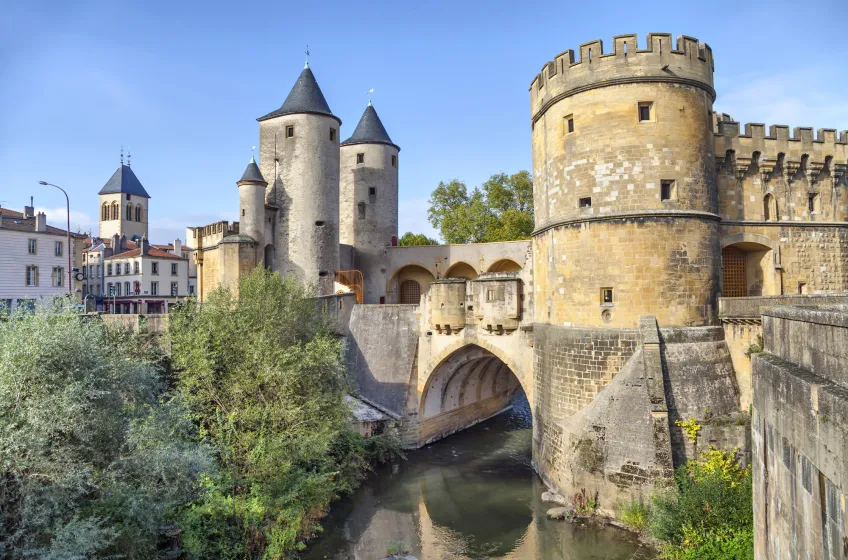
Moselle is worth visiting for its blend of French and German influences, rich historical heritage, and breathtaking landscapes. As a border region that has changed hands multiple times over the centuries, Moselle has a layered identity that’s evident in its architecture, language, food, and traditions. The cities here are proud, historic, and dynamic—none more so than Metz, the departmental capital and one of France’s most beautiful and livable cities.
But Moselle is more than its urban centres. The countryside is dotted with medieval castles, vineyards, thermal spas, and protected natural reserves. From hiking in the Vosges foothills to visiting war memorials, tasting local wines or exploring world-class art museums, the department offers something for every type of traveller.
Moselle’s location also makes it a perfect base for cross-border exploration, with Luxembourg, Saarbrücken, and Trier just a short drive away.
Moselle Highlights: Things to See and Do in Moselle
Metz – The Jewel of Moselle
Metz, the capital of Moselle, is a stunning and cultured city known for its majestic Gothic cathedral, leafy promenades, and lively arts scene. The Cathédrale Saint-Étienne de Metz is one of the tallest in Europe and famed for its 42 stained glass windows, including works by Marc Chagall. The golden Jaumont stone that gives the city its warm glow is part of Metz’s unique visual charm.
Highlights in Metz include:
-
Centre Pompidou-Metz: A world-class modern art museum in a striking contemporary building
-
Imperial Quarter: A district reflecting German influence from the annexation period, filled with eclectic architecture
-
Place Saint-Louis and Place Saint-Jacques: Perfect for cafés, shopping, and soaking up the local atmosphere
-
Musée de la Cour d’Or: A regional museum filled with Gallo-Roman artefacts and medieval treasures
-
Jardin de l’Esplanade: A relaxing park with views over the Moselle valley
Metz also hosts open-air concerts, festivals, and nightly summer illuminations that bring its buildings to life after dark.
Amnéville – Leisure and Spa Paradise
Just north of Metz, Amnéville-les-Thermes is one of France’s most complete leisure and wellness destinations. This purpose-built resort area includes:
-
Thermapolis and Villa Pompéi: Thermal spa centres offering pools, saunas, steam rooms and treatments
-
Amnéville Zoo: One of the largest and best-rated zoos in Europe
-
Snowhall: An indoor ski slope that operates year-round
-
Galaxie Concert Hall: Hosting international music and entertainment events
-
Aquarium, ice rink, casino, and golf course
Amnéville is ideal for families, spa lovers, and anyone looking to relax or enjoy a mix of outdoor and indoor fun.
Bitche and the Citadel
Located in the rugged Pays de Bitche, near the German border, the Citadel of Bitche is an impressive 17th-century fortress set on a rocky outcrop. It withstood sieges during the Franco-Prussian War and remains a symbol of the town’s resilience.
Visitors can explore the multimedia-enhanced museum, walk the ramparts for stunning views, and wander the old town’s winding streets. The surrounding Vosges du Nord Regional Natural Park offers beautiful trails, sandstone cliffs, and quiet forests—perfect for hikers and cyclists.
Rodemack – The “Little Carcassonne of Lorraine”
Rodemack, officially listed as one of “Les Plus Beaux Villages de France”, is a picturesque medieval village enclosed by ramparts. With its cobbled streets, half-timbered houses, and tranquil gardens, it’s often called the Little Carcassonne of the North.
The Château de Rodemack, though partly in ruins, offers great views and insight into the region’s medieval past. There are often seasonal festivals and medieval fairs, adding colour and charm to this small but characterful village.
The Maginot Line Forts
Moselle is dotted with sites from the Maginot Line, France’s line of defence built between the wars to guard against German invasion. Several of the bunkers and fortresses are now museums and offer an immersive look at 20th-century military history.
Top sites include:
-
Fort du Hackenberg near Veckring: The largest Maginot Line fort open to the public, complete with working electric trains, weapons systems, and command rooms
-
Fort Casso near Rohrbach-lès-Bitche: A well-preserved underground stronghold with guided tours
These sites offer both history and an insight into the immense engineering behind France’s WWII defences.
Moselle Vineyards and Wine Tasting
Though small in scale, the Côtes de Moselle wine region produces crisp white wines and fruity reds in picturesque villages like Scy-Chazelles, Marieulles, and Ancy-sur-Moselle. You can visit vineyards, taste local auxerrois, pinot gris, and riesling, and enjoy walks through hillside vineyards overlooking the Moselle River.
Pair a wine tour with a visit to Scy-Chazelles, the burial place of Robert Schuman, one of the founding fathers of the European Union. His former home is now a museum dedicated to European integration.
Sarreguemines – Ceramics and Cultural Crossroads
On the Saar River, close to the German border, Sarreguemines is famous for its historic ceramic industry. The Musée de la Faïence tells the story of this heritage through fine earthenware, tilework, and decorative arts.
The town also has lovely riverside walks, gardens, and a strong Germanic influence in its culture and cuisine. It’s a good base for exploring the nearby Vosges du Nord Natural Park.
Walygator Grand Est Theme Park
Located near Maizières-lès-Metz, Walygator is Moselle’s largest amusement park, ideal for families with children. It offers roller coasters, water rides, live shows, and themed zones catering to all age groups.
It’s best visited in summer, and special passes are available if you’re combining it with other Amnéville attractions.
Practical Advice for Visitors
Getting There
By Train: Metz is the main transport hub, with frequent TGV trains from Paris Gare de l’Est (1h20), as well as connections to Strasbourg, Luxembourg, and Nancy. TER trains serve smaller towns such as Sarreguemines, Thionville, and Forbach.
By Car: Moselle is well-connected by the A4 and A31 motorways, making it easy to access from Luxembourg, Germany, and other parts of France. A car is very useful for exploring the rural and natural areas.
By Air: Metz-Nancy-Lorraine Airport offers domestic flights, while Luxembourg Airport and Strasbourg provide more international options, both within 1–1.5 hours’ drive.
Parking
Cities like Metz and Sarreguemines have ample public parking, including underground and open-air options. Look out for P+R (park and ride) facilities for convenient access to town centres.
Smaller towns and countryside sites generally have free parking.
Getting Around
Public transport within cities is efficient. Le Met’ in Metz operates buses and rapid transit (Mettis), while TER Grand Est trains connect towns across the department. For rural travel and natural parks, hiring a car is the best option.
Dining
Moselle’s cuisine blends French finesse with hearty German flavours. Local specialities include:
-
Quiche Lorraine – the classic from the region
-
Fleischschnacka – meat rolled in pasta and sliced into pinwheels
-
Tarte flambée (flammekueche) – thin crust with cream, onions, and bacon
-
Mirabelle plum tarts – a must in late summer
-
Lorraine pâtés and terrines
-
Côtes de Moselle wines, local beers, and eaux-de-vie
Top dining recommendations include:
-
La Table de Pol in Metz – elegant and seasonal French fare
-
Maison Baci in Thionville – refined Italian-influenced dining
-
Restaurant Auberge St-Walfrid in Sarreguemines – a Michelin-starred celebration of regional gastronomy
Shopping
For souvenirs, look for:
-
Faïence (ceramics) from Sarreguemines
-
Glassware and crystal
-
Local wines and mirabelle liqueurs
-
Regional textiles and gourmet goods
Metz offers excellent shopping along Rue Serpenoise and in the Centre Saint-Jacques, with boutiques, high street stores, and markets.
When to Visit
The best time to visit Moselle is May to September, when the weather is warm and many outdoor events and festivals take place. Autumn is especially beautiful in the vineyards and forests, and winter brings festive Christmas markets, particularly in Metz and Sarreguemines.
Spring is ideal for city breaks and garden lovers, while summer is great for family fun in Amnéville and lakeside walks.
Local Events
-
Metz Mirabelle Festival (August): Celebrating the region’s favourite fruit with food, parades, and fireworks
-
Constellations de Metz (Summer): A digital art and light festival throughout the city
-
Sarreguemines Pottery Days (May): Celebrating the town’s ceramic heritage
-
Christmas Markets (late November–December): Especially notable in Metz, one of France’s largest
Exploring Beyond Moselle
Moselle is perfectly placed for regional adventures:
-
Luxembourg City (45 mins): A small but stunning capital city with a strong European identity
-
Trier, Germany (1 hour): Roman ruins and a charming old town
-
Nancy (1 hour): Art Nouveau, Place Stanislas, and rich history
-
Vosges Mountains (1.5 hours): Outdoor recreation in a scenic natural setting
Moselle is a destination where history, nature, culture, and cross-border flair meet. With Gothic cathedrals and spa resorts, fortresses and vineyards, modern art and medieval villages, it offers a deeply diverse travel experience. Whether you come for a weekend in Metz, a family holiday in Amnéville, or a tour of the Maginot Line, Moselle will surprise and reward you with its quiet confidence, complex identity, and unmistakable charm.
Shortlist
- Your Shortlist is empty