
Discover Morbihan | A Visitor's Introduction to Morbihan
Recommended places to visit, places to stay and things to do in Morbihan
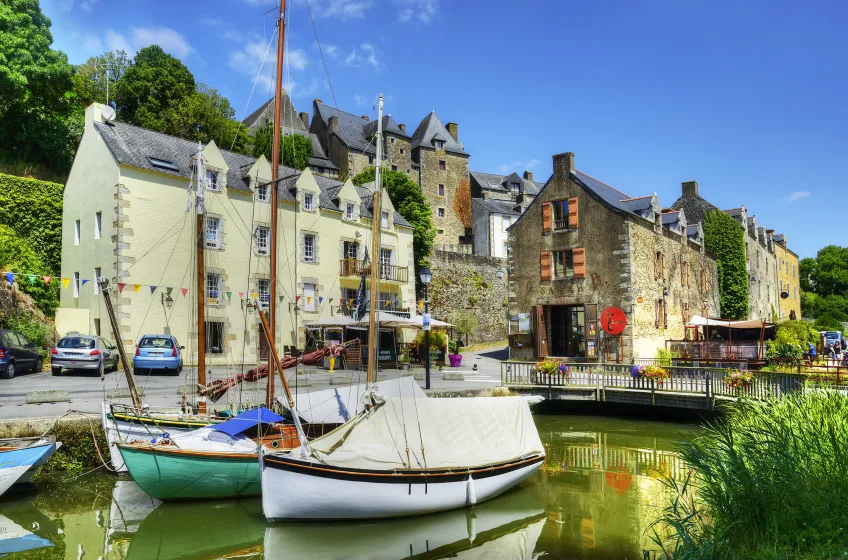
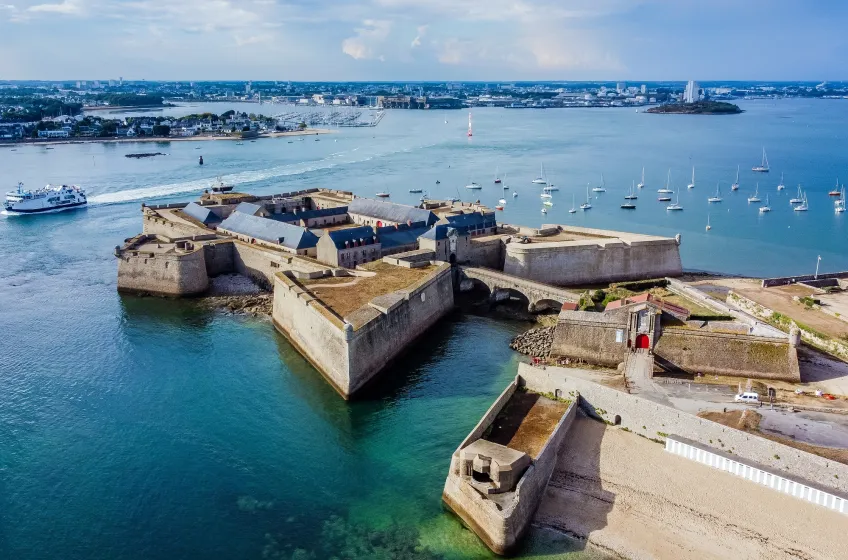
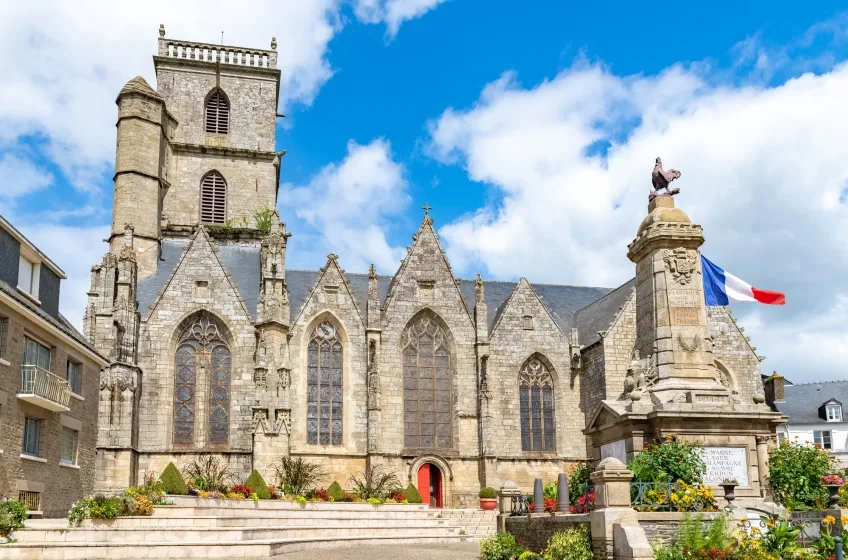
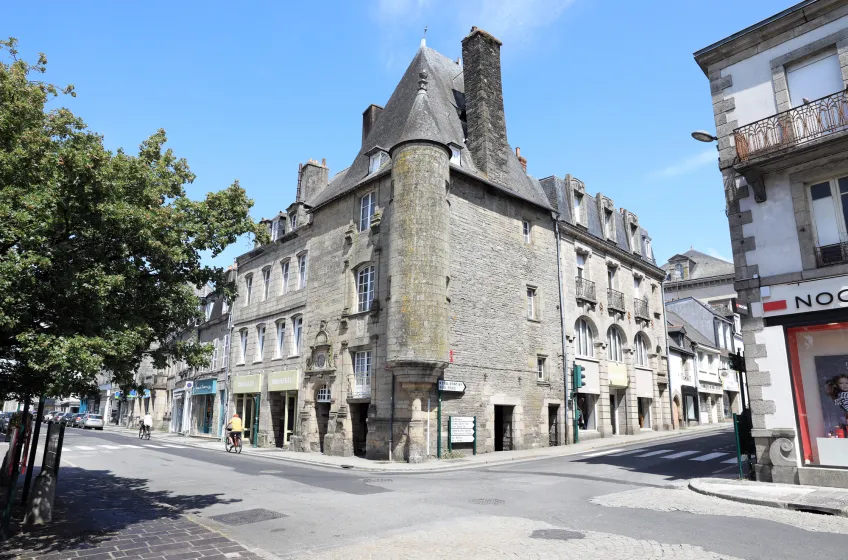
Morbihan, in southern Brittany, is a captivating French department that enchants visitors with its megalithic wonders, tranquil islands, and picturesque harbours. Named after the Breton words for "little sea," Morbihan boasts a rich maritime heritage, a mild climate, and a unique blend of cultural and natural treasures. Whether you’re drawn to ancient history, coastal adventures, or traditional Breton charm, Morbihan offers a wealth of unforgettable experiences.
Recommended Morbihan Accommodation: All Hotels 4&5 Star Luxury Hotels Chateau Hotels Budget Hotels Bed & Breakfasts Auberges
Why is Morbihan Worth a Visit?
Morbihan is a land where ancient mysteries meet coastal beauty. It is home to the Carnac stones, one of the world’s most extensive collections of prehistoric megaliths, and the Gulf of Morbihan, a stunning inland sea dotted with islands. Its medieval towns, serene countryside, and sandy beaches provide endless opportunities for exploration and relaxation.
This region is steeped in Breton traditions, with lively festivals, vibrant markets, and a rich culinary scene featuring fresh seafood and crepes. From sailing in the Gulf to discovering quaint villages, Morbihan is a true gem of Brittany.
Morbihan Highlights: Things to See and Do in Morbihan
Carnac Stones
The Carnac Stones are one of Morbihan’s most iconic attractions. These mysterious rows of standing stones date back to 4500 BC and are shrouded in legend. The site includes over 3,000 menhirs spread across several alignments. Visit the Maison des Mégalithes for insights into the stones’ history and significance, and explore the nearby Tumulus Saint-Michel, a prehistoric burial mound offering panoramic views.
Gulf of Morbihan
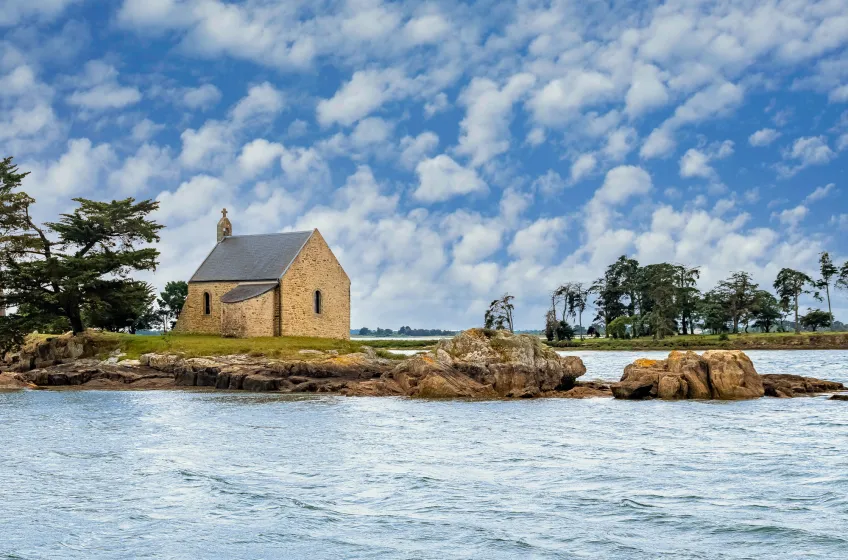
The Gulf of Morbihan is a breathtaking inland sea scattered with over 40 islands, some of which are privately owned. Boat tours offer a serene way to explore this unique landscape, with stops at picturesque islands like Île aux Moines and Île d’Arz. For outdoor enthusiasts, the Gulf offers kayaking, sailing, and hiking trails along its scenic shores.
Vannes
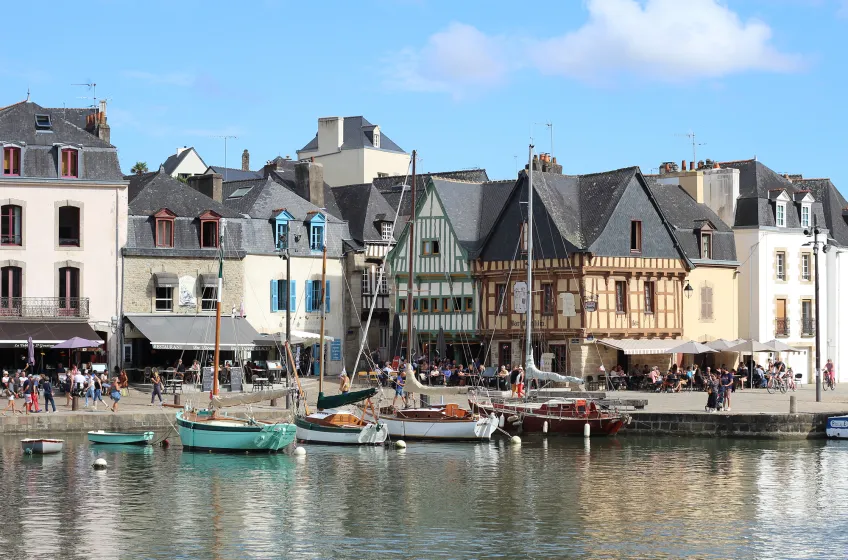
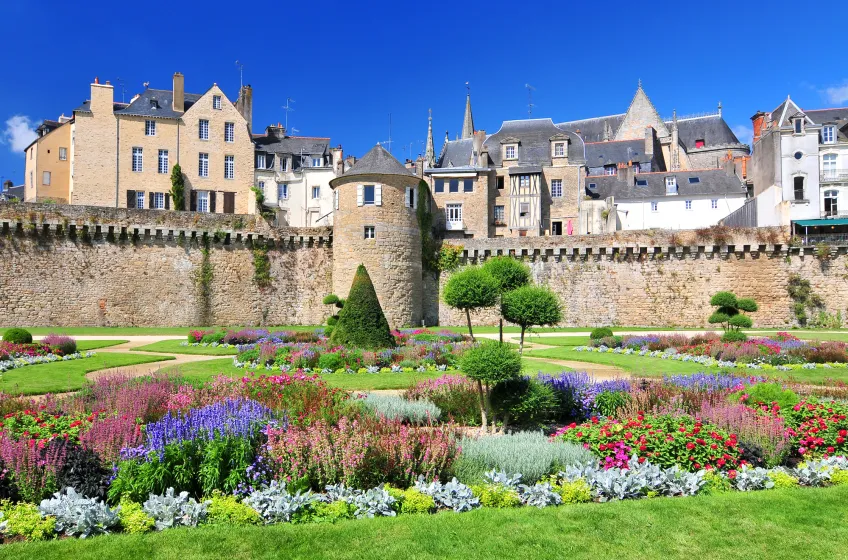
The medieval town of Vannes, nestled on the Gulf of Morbihan, is a delight to explore. Its beautifully preserved old town features cobblestone streets, timber-framed houses, and the impressive Saint-Pierre Cathedral. The bustling Halles des Lices market is perfect for sampling local produce and Breton delicacies. Don’t miss a stroll along the harbour, lined with colourful boats and inviting terraces.
Quiberon Peninsula
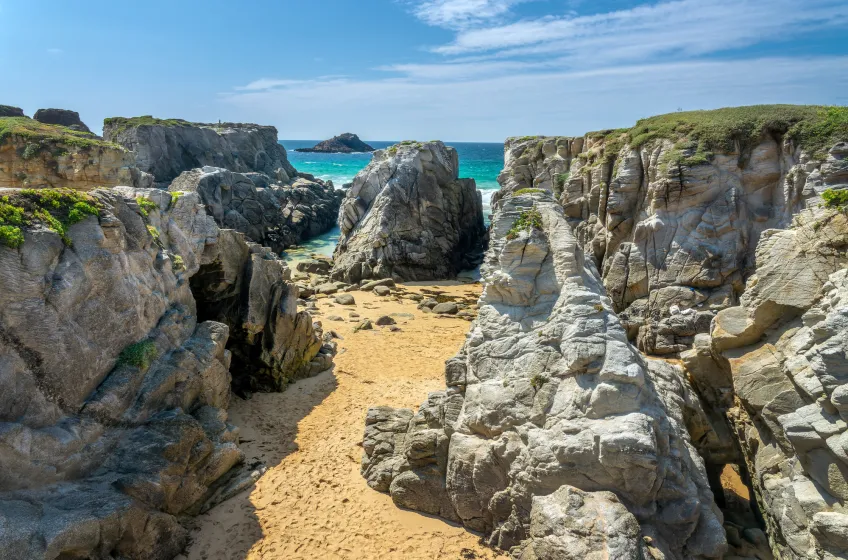
The Quiberon Peninsula is a haven for beach lovers and nature enthusiasts. The Côte Sauvage (Wild Coast) on its western side offers dramatic cliffs and rugged landscapes, while the eastern side features sandy beaches and calm waters. Quiberon is also the departure point for ferries to the Îles de Houat, Hoëdic, and Belle-Île-en-Mer, all of which are worth exploring.
Belle-Île-en-Mer
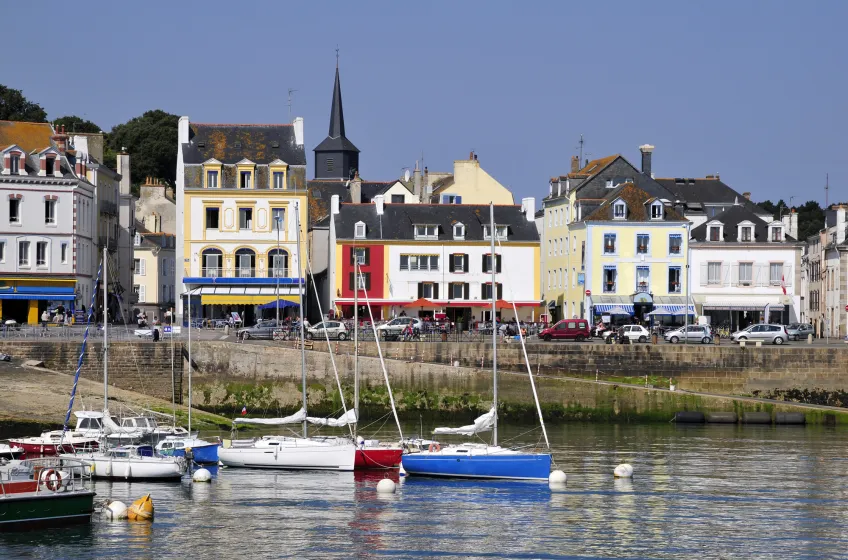
Belle-Île-en-Mer, the largest of Brittany’s islands, lives up to its name with its "beautiful isle" landscapes. Its highlights include the dramatic Pointe des Poulains, the pastel-coloured port of Le Palais, and the beaches of Donnant and Herlin. Bike rentals are a popular way to explore the island’s peaceful trails and hidden coves.
Rochefort-en-Terre
Named one of France’s "Most Beautiful Villages," Rochefort-en-Terre is a fairy-tale village known for its flower-filled streets, medieval architecture, and artisan shops. The Château de Rochefort-en-Terre, now an arts centre, is a must-see. During December, the village transforms into a magical Christmas wonderland with dazzling lights and decorations.
Lorient
Lorient is a lively port city with a rich maritime history. Visit the Cité de la Voile Éric Tabarly, a museum dedicated to sailing and ocean racing, and explore the Keroman Submarine Base, a World War II relic. The city comes alive every August with the Festival Interceltique, celebrating Celtic music, dance, and culture from around the world.
Pontivy
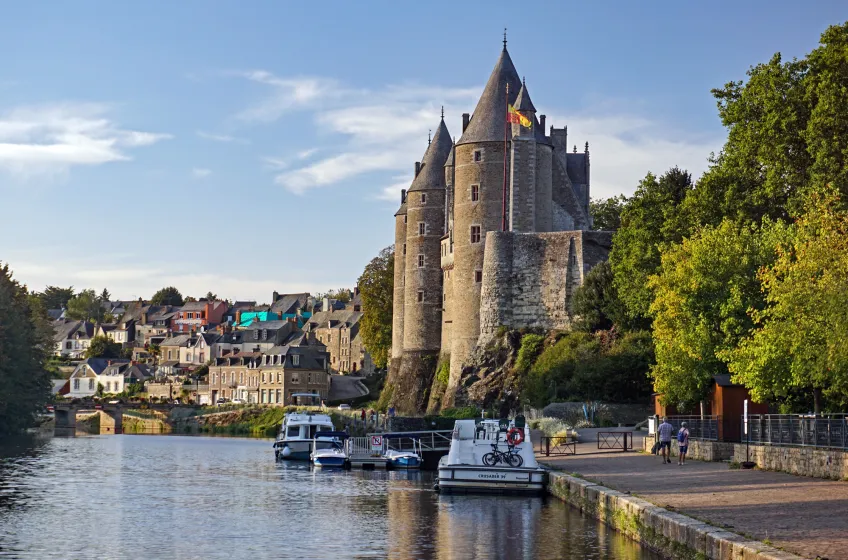
Situated along the Nantes-Brest Canal, Pontivy is a charming town with dual identities: medieval Rohan Pontivy, with its castle and old quarter, and Napoleonic Napoléonville, featuring grand avenues and imperial design. Its canals and riverside walks make it a peaceful retreat.
Sainte-Anne-d’Auray
This small town is a major pilgrimage site, home to the Basilica of Sainte-Anne-d’Auray, dedicated to Brittany’s patron saint. The basilica is an architectural marvel and hosts vibrant religious festivals, including the Grand Pardon in July.
Île de Groix
A short ferry ride from Lorient, the Île de Groix is a serene island with unspoiled beaches, dramatic cliffs, and quaint villages. Its unique geology includes the rare convex beach of Plage des Grands Sables. Cycling is the best way to explore this tranquil haven.
La Gacilly
La Gacilly is an artistic village known for its annual Photo Festival, the largest outdoor photography exhibition in France. Its charming streets are filled with galleries, craft shops, and flower displays. The Yves Rocher botanical gardens and eco-hotel are highlights for nature lovers.
Practical Advice for Visitors
Getting There
Morbihan is easily accessible by car, train, or ferry. The TGV connects Paris to Vannes and Lorient in about three hours. Nantes Atlantique Airport and Rennes–Saint-Jacques Airport are the nearest major airports, offering connections to many European cities. By car, Morbihan is well-connected via the N165 motorway. Ferries from Quiberon and Lorient provide access to the region’s islands.
Parking
Most towns and attractions offer convenient parking, with free or paid options. Coastal areas like Carnac and Quiberon can get busy in summer, so early arrival is recommended.
Dining
Morbihan’s cuisine is a highlight of any visit. Fresh seafood is a must, especially oysters from the Gulf of Morbihan and langoustines from Quiberon. Try Breton specialities like galettes de sarrasin (buckwheat crepes) and far breton (a custard-like dessert). For fine dining, restaurants like Le Gavrinis in Baden and La Table de Laurène in Vannes offer exquisite local dishes.
Shopping
Markets are a great way to experience local life in Morbihan. The Carnac Market and Vannes Market are famous for fresh produce, cheeses, and seafood. Look for Breton souvenirs like striped marinière shirts, fleur de sel, and handcrafted pottery.
When to Visit
The best time to visit Morbihan is from late spring to early autumn. Summer offers the warmest weather and lively festivals, while spring and autumn provide mild temperatures and fewer crowds. Winter is quieter but offers dramatic coastal scenery and festive charm in towns like Rochefort-en-Terre.
Local Events
Morbihan hosts a variety of festivals celebrating its culture and heritage. The Festival Interceltique in Lorient is a highlight, drawing performers and visitors from across the Celtic world. The Semaine du Golfe, held every two years, sees traditional boats fill the Gulf of Morbihan. Rochefort-en-Terre’s Christmas lights and Carnac’s summer sound and light shows are also popular.
Exploring Beyond Morbihan
Morbihan is an excellent base for exploring Brittany. To the north, Finistère offers dramatic coastlines and the medieval town of Locronan. The nearby Loire-Atlantique department boasts the historic city of Nantes and the chic seaside resort of La Baule.
Shortlist
- Your Shortlist is empty