
Discover Carnac | A Visitor's Introduction to Carnac
Carnac, nestled on the southern coast of Brittany in France’s Morbihan department, is a charming town renowned for its ancient history, beautiful beaches, and relaxed coastal vibe. Best known for its world-famous megalithic sites—home to thousands of mysterious standing stones—Carnac combines history, natural beauty, and seaside appeal. Perfect for archaeology enthusiasts, beach lovers, and families, Carnac is a delightful mix of the past and present, offering something for everyone.
Recommended Carnac Accommodation: Hotels Bed & Breakfasts
Why is Carnac Worth a Visit?
Carnac is a unique destination that effortlessly blends its ancient heritage with modern coastal charm. The Carnac Stones, a collection of over 3,000 prehistoric megaliths, are one of the world’s most impressive archaeological wonders. Alongside this rich history, Carnac boasts stunning beaches, clear waters, and lush countryside, making it an idyllic spot for both cultural exploration and outdoor activities.
The town is also a gateway to the Gulf of Morbihan, one of France’s most beautiful natural regions, and its local food scene, centred on fresh seafood and Breton specialities, adds another layer of allure.
Carnac Highlights: Things to See and Do in Carnac
The Carnac Stones
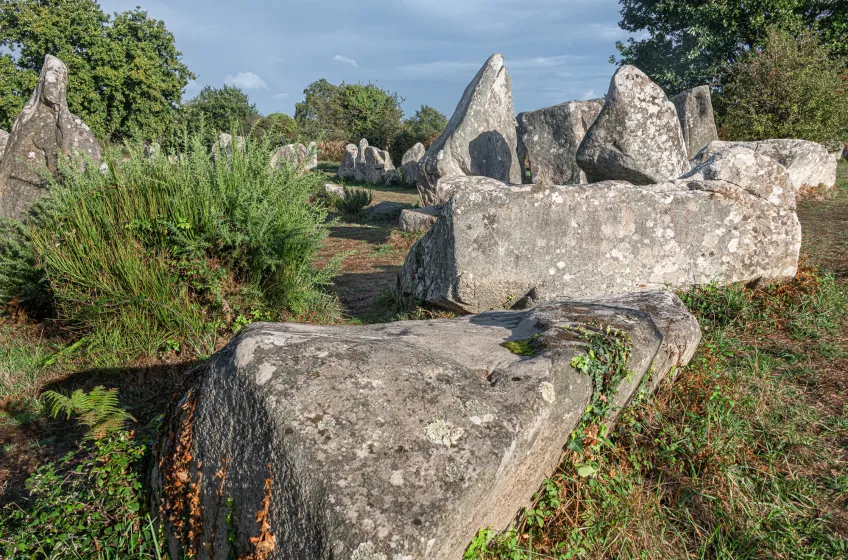
The Carnac Stones are the town’s most iconic attraction. These megalithic alignments, some dating back to 4500 BC, span over four kilometres and include standing stones, dolmens, and tumuli. Highlights include:
- Ménec Alignments: The largest and most famous collection, with over 1,000 stones arranged in parallel rows.
- Kermario Alignments: Known for its massive menhirs, offering an awe-inspiring sight.
- Tumulus Saint-Michel: A burial mound offering panoramic views of the surrounding countryside.
The Maison des Mégalithes visitor centre provides insights into the history and theories surrounding these mysterious stones. Guided tours are highly recommended to fully appreciate their significance.
Carnac Beaches
Carnac’s coastline is lined with beautiful sandy beaches, making it a perfect destination for relaxation or water activities.
- Grande Plage: The largest beach, ideal for families with its calm waters and wide stretches of sand.
- Plage de Légenèse and Plage de Saint-Colomban: Smaller, quieter beaches with a more secluded feel.
The beaches are also popular for sailing, windsurfing, and paddleboarding.
Musée de Préhistoire
The Carnac Museum of Prehistory houses one of Europe’s most extensive collections of prehistoric artefacts, including tools, jewellery, and pottery from the Neolithic period. This museum provides a fascinating context for the megalithic sites and is a must-visit for history enthusiasts.
Saint-Cornély Church
This beautiful 17th-century church in the town centre is dedicated to Saint Cornelius, the patron saint of cattle. Its richly decorated interior and intricate carvings make it a peaceful and striking place to visit.
Parc Naturel Régional du Golfe du Morbihan
A short drive from Carnac, the Gulf of Morbihan is a stunning inland sea dotted with islands. Boat tours offer the chance to explore this unique ecosystem, with stops at charming islands like Île-aux-Moines and Île-d’Arz. The area is also ideal for kayaking and hiking along coastal trails.
Local Markets
Carnac’s markets are vibrant spots to experience local culture. The weekly Carnac Market, held on Wednesdays, offers fresh produce, seafood, cheeses, and Breton specialities like crêpes and cider.
Plouharnel Surf Spots
Just a few kilometres from Carnac, Plouharnel is a favourite for surfers, with its wild beaches and consistent waves. Surf schools in the area offer lessons for beginners and rentals for experienced surfers.
Alignement de Kerlescan
For a quieter, more serene experience, visit the Kerlescan Alignments, a smaller site of standing stones surrounded by lush greenery. The peaceful setting is perfect for those seeking a more intimate connection with Carnac’s ancient past.
Bicycle Rides and Walking Trails
Carnac’s flat terrain and picturesque scenery make it ideal for cycling and walking. The Green Pathway and trails around the megalithic sites are particularly scenic. Bike rentals are readily available in town.
Practical Advice for Visitors
Getting There
Carnac is well-connected by road and rail. By train, the nearest station is Auray, about 13 kilometres away, with regular services from major cities like Paris and Nantes. From Auray, buses or taxis can take you to Carnac. By car, Carnac is accessible via the N165 motorway. The closest airports are Nantes Atlantique and Rennes–Saint-Jacques, both about two hours away.
Parking
Parking in Carnac is generally convenient, with several free and paid parking areas near the megalithic sites, beaches, and town centre. However, during the summer months, parking can be in high demand, so arriving early is advisable.
Dining
Carnac’s food scene is rooted in Breton tradition, with a focus on fresh seafood. Popular dishes include oysters, mussels, and crêpes. Restaurants like La Potion Magique and Le Cornély offer excellent dining experiences. For a casual meal, enjoy a galette and cider at a local crêperie near the beach.
Shopping
The town has a variety of shops selling local crafts and produce. Look for Breton striped shirts, fleur de sel (sea salt), and handmade pottery. Markets are also a great place to buy artisanal goods and fresh ingredients.
When to Visit
Carnac is a year-round destination, but the best time to visit is between late spring and early autumn. Summer offers the warmest weather and the liveliest atmosphere, while spring and autumn provide mild temperatures and fewer crowds. Winter is quieter and perfect for those seeking a peaceful retreat.
Local Events
Carnac hosts several cultural and festive events throughout the year. The Fête des Mégalithes, held in August, celebrates the town’s prehistoric heritage with concerts, storytelling, and guided tours. The Christmas Market in December brings a festive spirit to the town, with lights, stalls, and seasonal treats.
Exploring Beyond Carnac
Carnac’s location makes it an excellent base for exploring southern Brittany. Nearby, visit the artistic village of La Gacilly or the medieval town of Auray with its picturesque port of Saint-Goustan. The Quiberon Peninsula and the islands of the Gulf of Morbihan also offer fantastic day trips.
Shortlist
- Your Shortlist is empty