
Discover Lozère | A Visitor's Introduction to Lozère
Recommended places to visit, places to stay and things to do in Lozère
Lozère is a quiet, unspoilt department in the South of France, tucked away in the Languedoc-Roussillon region. It’s the least populated department in mainland France and a dream destination for those seeking peace, wild landscapes, and authentic rural charm. With its dramatic gorges, remote plateaux, medieval villages, and endless walking trails, Lozère is the perfect retreat for nature lovers, hikers, and those who want to step off the beaten path.
Often overlooked in favour of its glitzier neighbours, Lozère remains one of France’s best-kept secrets—a place where you can wander for hours without meeting a soul, spot wild deer in the morning mist, and stargaze under pristine night skies.
Recommended Lozère Accommodation: Hotels
Why is Lozère Worth a Visit?
Lozère is worth visiting for its untouched natural beauty, timeless villages, and outdoor opportunities. This is a land of extremes: from the forested heights of the Margeride to the lunar landscapes of the Causses, the deep canyons of the Tarn and the high-altitude pastures of Aubrac. Every corner of Lozère feels like an invitation to slow down and reconnect with the natural world.
Its small population and low level of development mean that traditional ways of life have endured. You’ll find stone-built hamlets, old shepherding paths, and local festivals that haven’t changed in decades. There’s a certain purity to life here, one that rewards the traveller who takes their time. Add to that the chance to spot rare wildlife (including vultures, wolves, and wild boar), and you’ll quickly realise why Lozère casts such a spell.
Whether you’re walking the ancient pilgrimage route to Santiago de Compostela, exploring prehistoric cave art, or simply breathing the clean mountain air, Lozère offers a sense of space and serenity that’s increasingly rare.
Lozère Highlights: Things to See and Do in Lozère
Gorges du Tarn
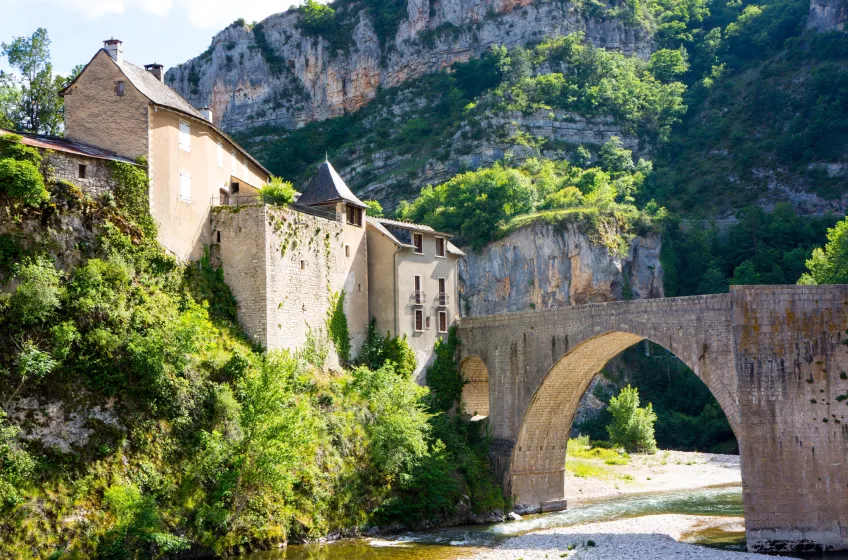
One of the most dramatic natural features in France, the Gorges du Tarn is a deep canyon carved by the River Tarn through limestone cliffs. Towering walls, turquoise waters, and a ribbon of picturesque villages make this a stunning area to explore. Base yourself in places like Sainte-Enimie or La Malène and try kayaking, swimming, or simply driving the winding roads above the gorge for sweeping views. Don't miss the boat rides at Les Détroits for a peaceful way to take in the scenery.
Mont Lozère
The department’s namesake mountain, Mont Lozère is part of the Cévennes National Park and a haven for walkers. With its granite boulders, high meadows, and panoramic views, it feels wild and ancient. It's also the source of the River Tarn and a key section of the long-distance Stevenson Trail (GR70), inspired by Robert Louis Stevenson’s journey with a donkey. In winter, Mont Lozère even offers small-scale cross-country and alpine skiing.
Sainte-Enimie
Classed as one of the "most beautiful villages of France," Sainte-Enimie clings to the cliffs above the Tarn. Its narrow cobbled lanes, medieval architecture, and stunning riverside setting make it an irresistible stop. There’s a peaceful monastery, charming little cafés, and easy access to hiking trails. It’s particularly photogenic in early morning light or late evening when the crowds thin out.
Wolves of Gévaudan Park (Parc des Loups du Gévaudan)
Lozère is steeped in the legend of the Beast of Gévaudan, a mysterious creature that terrorised the region in the 18th century. Today, the Wolves of Gévaudan Park in Saint-Léger-de-Peyre offers a chance to observe wolves in semi-wild conditions. The park is home to several breeds from across the world and provides an educational and moving experience that’s ideal for families or wildlife enthusiasts.
Aubrac Plateau
The Aubrac is a high-altitude plateau that stretches across parts of Lozère, Aveyron, and Cantal. Its vast grassy plains, volcanic rocks, and moody skies feel almost otherworldly. It’s a place of transhumance, where cattle are still moved to mountain pastures in spring. Come in May or June to see the famous Aubrac cows adorned with flowers during the Fête de la Transhumance. The region is also famous for its aligot—a creamy dish of mashed potatoes, cheese, and garlic.
Mende
The departmental capital, Mende is a relaxed, attractive town on the Lot River. Its highlight is the Gothic Cathedral of Notre-Dame-et-Saint-Privat, with twin towers that dominate the skyline. Mende makes a good base for exploring central Lozère and has a decent range of restaurants and shops. The old town is pleasant for a wander, with cobbled streets, fountains, and half-timbered houses.
Aven Armand
Beneath the Causse Méjean lies the spectacular Aven Armand, a vast limestone cave filled with stalagmites and stalactites. The main chamber is jaw-dropping in scale, with lighting that accentuates the natural beauty of the formations. Access is via a funicular, and guided tours explain the cave’s discovery and geology. It’s cool inside year-round, so bring a jumper even in summer.
Chaos de Nîmes-le-Vieux
On the Causse Méjean plateau lies the eerie landscape of Nîmes-le-Vieux—a natural chaos of weathered limestone rocks that resemble a ruined city. Walking trails wind through the formations, offering a surreal experience. It’s especially beautiful in low light, when shadows play across the rock shapes. Bring your imagination—many of the rocks are named after the things they resemble, like "the lion" or "the ship."
La Canourgue
Often referred to as the “Little Venice of Lozère” thanks to the many canals that run through its old quarter, La Canourgue is a charming village set at the foot of the Lot Valley. With flower-decked bridges, artisan shops, and a peaceful atmosphere, it's the perfect place for a relaxed stroll and lunch beside the water. The surrounding countryside is also excellent for walks and cycling.
The Cévennes National Park
Covering a large swathe of Lozère and neighbouring departments, the Cévennes National Park is a UNESCO World Biosphere Reserve. It’s a paradise for outdoor lovers, with waymarked trails, dramatic scenery, and rich biodiversity. Expect to see eagles, vultures, and even mouflon (wild sheep). The park also has several eco-museums and visitor centres that explain local traditions and natural history.
Langogne and Lake Naussac
Located in the northeast of Lozère, Langogne is a small town known for its markets and traditional crafts. Nearby, the Lac de Naussac offers sailing, fishing, and swimming in a peaceful mountain setting. The lake is artificial but blends beautifully with the surrounding countryside, making it a great summer escape.
Practical Advice for Visitors
Getting There
Lozère is somewhat remote, which is part of its appeal. The nearest major cities with airports are Clermont-Ferrand, Montpellier, and Rodez. There’s a train station in Mende and Langogne, but services are limited, so hiring a car is strongly recommended for getting around. The A75 autoroute (free for most of its length) passes through the western edge of Lozère and provides access from Paris or the south coast.
Parking
Most towns and villages in Lozère have ample free parking, especially near the entrances to historic centres. At popular sites like the Gorges du Tarn or Mont Lozère, designated car parks are available but can fill up quickly in summer—arriving early helps avoid frustration. Rural roads are quiet but winding, so drive cautiously.
Dining
Lozère’s cuisine is rustic and hearty, drawing on mountain produce and age-old recipes. Specialities include aligot (cheesy mashed potatoes), pouteille (a local pork and wine stew), and dishes made with wild mushrooms and chestnuts. Cheese lovers should try the region’s blue cheeses such as Bleu des Causses and the creamy Tomme de Lozère. Good restaurants can be found in Mende, Florac, and larger villages like Sainte-Enimie. Auberges and ferme-auberges (farm guesthouses) offer excellent traditional meals.
Shopping
Lozère’s shops reflect its rural character, with a focus on local crafts and foods. Markets take place in Mende (Saturday), Florac (Thursday), and other towns throughout the week. Look out for handmade knives (especially from Laguiole, just across the border), woollen garments, pottery, and preserves made from wild fruits. Many villages have tiny co-operative shops selling produce from local farmers.
When to Visit
Summer (June to September) is the best time to visit for walking, canoeing, and enjoying the lakes and rivers. Spring (April to June) brings wildflowers and fewer tourists, while autumn offers crisp air, colourful forests, and chestnut festivals. Winter is quiet but beautiful, especially around Mont Lozère, which may be dusted in snow. It’s worth noting that some tourist services, including restaurants and guided tours, may be limited outside peak season.
Local Events
Lozère hosts a range of traditional events throughout the year. The Fête de la Transhumance on the Aubrac Plateau (usually in May) celebrates the seasonal movement of livestock with music, markets, and food. Mende and Florac host summer festivals with live music, dancing, and regional food. Don’t miss the Festival de la Randonnée in September—a multi-day event dedicated to hiking and exploring the natural wonders of the region.
Exploring Beyond Lozère
If you have time, it’s worth venturing just outside Lozère to see more of the Massif Central. To the west, the Aveyron department offers beautiful villages like Conques. Southwards, the Gard department is home to the bamboo forest of Anduze and the steam train through the Cévennes. North of Lozère, the volcanic landscapes of Cantal offer another world of crater lakes and upland pasture. All are within a 1–2 hour drive.
Lozère is a land apart—a sanctuary of silence, wild nature, and honest beauty. For those who appreciate dramatic landscapes, authentic rural life, and getting far from the tourist trail, it delivers a uniquely rewarding experience. Whether you’re exploring deep gorges, tasting mountain cheeses, or simply watching the stars from a remote village, Lozère lets you experience France at its most elemental and enduring.
Shortlist
- Your Shortlist is empty