
Discover The British Museum | A Visitor's Introduction to The British Museum
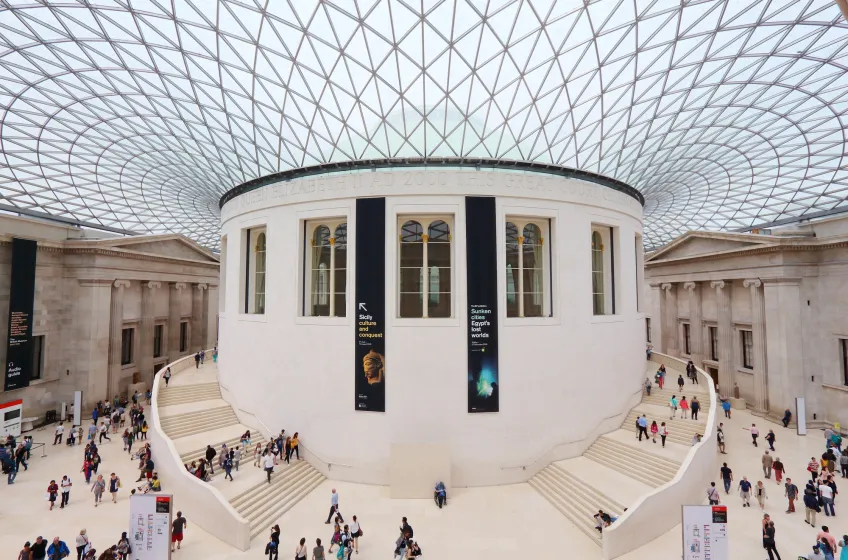
The British Museum, located in the Bloomsbury area of central London, is one of the world’s most significant and comprehensive museums dedicated to human history, art, and culture. Established in 1753, the museum houses a vast collection of artefacts from across the globe, covering more than two million years of human civilisation. Admission is free, and the museum welcomes millions of visitors each year, drawn by its encyclopaedic displays and its iconic architecture, including the striking glass-roofed Great Court.
As a public institution, the British Museum is dedicated to preserving and interpreting human cultural heritage. Its collections represent a broad spectrum of global societies, with particularly extensive holdings in ancient Egyptian, Greek, Roman, Middle Eastern, Asian, and European artefacts. The museum functions not only as a cultural attraction but also as a research and educational centre, with active academic departments and temporary exhibitions that delve deeper into specialised topics.
Recommended hotels near the British Museum
Pre-book London Attractions, Tours & Experiences, including The British Museum
Why Is The British Museum Worth a Visit?
The British Museum offers visitors the rare opportunity to encounter some of the most important objects in the history of the world, all under one roof. The breadth of its collection provides insight into how different civilisations have evolved, interacted, and contributed to a shared global heritage. From monumental sculptures to everyday objects, the artefacts on display help contextualise key developments in writing, religion, trade, and governance.
Its permanent galleries are free to explore, which makes it accessible to all, and its central London location allows it to be easily included in a wider itinerary. In addition to its historical significance, the museum presents content in a modern and accessible format, making use of digital technology, clear interpretation panels, and family-friendly resources to engage a wide range of visitors.
British Museum Highlights
The Rosetta Stone
One of the most visited items in the museum, the Rosetta Stone is crucial to the modern understanding of ancient Egyptian hieroglyphs. Discovered in 1799 in Egypt and dating to 196 BCE, the stone features the same text in three scripts: Greek, Demotic, and hieroglyphic. Its decipherment by Jean-François Champollion in the 1820s opened up scholarly access to the ancient Egyptian language for the first time in centuries.
The Elgin Marbles
Also known as the Parthenon Sculptures, these classical marble reliefs and statues were originally part of the Parthenon and other buildings on the Acropolis of Athens. Acquired by Lord Elgin in the early 19th century and later purchased by the British government, they have been displayed at the British Museum since 1817. The sculptures are a subject of ongoing international debate, but they remain among the museum’s most studied and viewed artefacts.
The Egyptian Mummies
The British Museum has one of the largest and most important collections of Egyptian antiquities outside of Egypt. The displays include mummified remains, sarcophagi, funerary masks, and items related to ancient Egyptian beliefs about the afterlife. The galleries provide a detailed view of burial customs and religious practices from the pre-dynastic period through the Ptolemaic era.
Assyrian Reliefs
The museum houses a large number of Assyrian wall reliefs from the palaces of Nimrud, Nineveh, and Khorsabad in modern-day Iraq. These stone panels, dating from the 9th to 7th centuries BCE, depict military campaigns, religious rituals, and royal activities with fine detail and craftsmanship. The Assyrian Lion Hunt reliefs, in particular, are among the best-preserved and most dramatic depictions of royal sport and ceremony.
The Sutton Hoo Treasure
This early medieval burial collection, excavated in Suffolk in 1939, is a centrepiece of the museum’s British history galleries. The finds from the Sutton Hoo ship burial, dating from the early 7th century, include a ceremonial helmet, sword, jewellery, and silverware, revealing the sophistication of Anglo-Saxon society and its far-reaching trade connections.
The Lewis Chessmen
Carved in the 12th century, probably in Norway, the Lewis Chessmen were discovered on the Isle of Lewis in Scotland in the 19th century. Made from walrus ivory and whale tooth, these intricately detailed chess pieces offer insight into medieval life, craftsmanship, and play. A selection of them is housed at the British Museum, with others at the National Museum of Scotland in Edinburgh.
The Enlightenment Gallery
Housed in the former Reading Room of the British Library, this gallery provides a thematic overview of the Age of Enlightenment, when European thinkers sought to catalogue and understand the world. It includes early collections of antiquities, scientific instruments, and natural specimens, arranged to reflect 18th-century ideas about order, knowledge, and discovery.
Japanese Art and Samurai Armour
The museum has a notable collection of Japanese art, spanning prehistoric Jomon pottery to modern woodblock prints. Among the highlights are examples of samurai armour, ornate lacquerware, and Buddhist sculptures. The section on Edo-period ukiyo-e prints includes works by famous artists such as Hokusai and Hiroshige.
Chinese Ceramics and Bronzes
The museum’s Chinese galleries display objects dating from the Neolithic period to the present day, with particular emphasis on ceramics and ritual bronzes. Visitors can see early painted pottery, Tang dynasty tomb figures, Ming porcelain, and examples of calligraphy and painting that illustrate the continuous evolution of Chinese artistic traditions.
Coins and Medals
The Department of Coins and Medals contains one of the world’s most extensive numismatic collections, comprising over a million items. Although only a small fraction is on display at any time, the gallery introduces the development of coinage from ancient Greece to modern currencies, with specimens that highlight political propaganda, trade, and craftsmanship.
African Art and Culture
The museum’s collection of African objects spans thousands of years and includes both archaeological artefacts and contemporary art. Key items include the Benin Bronzes, which were taken from the royal palace in Benin City during a British expedition in 1897. The display explores the diversity and richness of Africa’s artistic and cultural heritage, as well as the legacy of colonialism.
Islamic World Gallery
This gallery explores the material culture of Islamic societies across Asia, Africa, and Europe from the 7th century onwards. It features calligraphy, ceramics, textiles, metalwork, and architectural fragments, offering insight into the artistic, scientific, and spiritual traditions of the Islamic world.
Facilities
The British Museum offers a range of visitor facilities designed to accommodate individuals, families, school groups, and researchers. There are two cafés and a restaurant serving hot meals, snacks, and drinks throughout the day. A large gift shop offers books, souvenirs, and reproductions of items from the collection.
To assist with orientation, the museum provides free maps at the information desks and has a mobile app with interactive gallery guides and tours. Lifts and ramps ensure step-free access to most public areas, and accessible toilets and seating areas are available throughout the building. There are cloakroom services for coats and bags, although storage for larger luggage is limited.
The museum also runs a full schedule of public lectures, guided tours, family activities, and temporary exhibitions, some of which require paid tickets. Special exhibitions are usually housed in the Sainsbury Exhibitions Gallery and are often timed-entry events that can be pre-booked online.
Nearby Attractions
The British Museum’s central location in Bloomsbury places it within easy reach of several other cultural and historical sites. Just a short walk away is the Charles Dickens Museum, located in the author’s former home on Doughty Street. This small museum offers an intimate look at Victorian London and Dickens’s personal life and work.
Also nearby is the Foundling Museum, which explores the history of the Foundling Hospital and includes works of art by William Hogarth and other 18th-century British artists. The Sir John Soane’s Museum, housed in the former residence of the neo-classical architect, is another notable stop. It displays an eclectic collection of art, antiquities, and architectural models in a remarkably preserved historic interior.
A 15-minute walk west brings visitors to Covent Garden, known for its street performances, market stalls, and the London Transport Museum, which charts the development of public transport in the city. Heading south, visitors can reach the National Gallery and Trafalgar Square within 20 minutes on foot, offering yet more world-class art and iconic London views.
Practical Advice
The British Museum is open daily, usually from 10:00 to 17:00, with extended hours on Fridays. Admission to the permanent collections is free, although timed-entry tickets are recommended during busy periods and can be booked in advance online. Entry to special exhibitions typically requires a separate, paid ticket.
The museum is located on Great Russell Street and is easily accessible by public transport. The nearest Underground stations are Tottenham Court Road, Holborn, and Russell Square, all within a 10-minute walk. Several bus routes also serve the area, and there is cycle parking nearby. Car parking is extremely limited, and driving is not recommended.
Due to the size of the museum, visitors may find it beneficial to focus on specific galleries rather than attempting to see everything in one visit. The museum’s website offers suggested itineraries based on themes or time available, and highlights tours can help orient first-time visitors.
Peak visiting times include weekends, school holidays, and rainy days, so early morning or weekday visits are advisable for a quieter experience. Lockers are available for small bags, but large suitcases are not permitted inside the building.
Free Wi-Fi is available throughout the museum, and a dedicated family guide, children’s activity trails, and interactive stations make the visit suitable for younger audiences. Accessibility services include wheelchairs, induction loops, and accessible toilets, and assistance dogs are welcome.
For those interested in more in-depth knowledge, the British Museum offers specialist tours, audio guides, and public lectures, while its online collection provides remote access to thousands of items for further research. Whether for a quick visit or a full day of exploration, the museum caters to a wide range of interests and levels of expertise.
Shortlist
- Your Shortlist is empty