
Discover Bloomsbury | A Visitor's Introduction to Bloomsbury
Recommended places to visit, places to stay and things to do in and around Bloomsbury
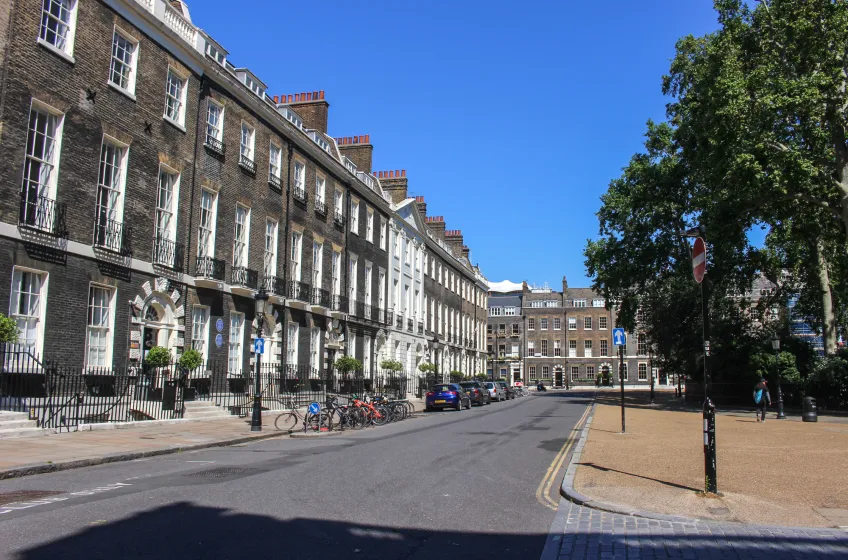
Bloomsbury is a historic and intellectually rich district in central London, nestled between Euston Road to the north and High Holborn to the south. Known for its leafy Georgian squares, world-renowned cultural institutions, and literary heritage, this elegant enclave offers a quintessentially British experience. With a unique blend of academic prestige, architectural beauty, and quiet charm, Bloomsbury is a perfect destination for book lovers, museum-goers, history buffs, and those seeking a slower-paced corner of London.
Recommended Bloomsbury Accommodation: Hotels Bed & Breakfasts
Pre-book London Attractions, Tours & Experiences
Pre-book London Theatre Tickets
Why is Bloomsbury Worth a Visit?
Bloomsbury is worth visiting for its unrivalled mix of cultural depth and peaceful sophistication, right in the heart of the capital. Unlike the chaotic energy of Soho or the commercial buzz of Oxford Street just a stone’s throw away, Bloomsbury retains a calm, almost scholarly air. It was the home of the famed Bloomsbury Group – a collective of writers, artists, and thinkers including Virginia Woolf and E.M. Forster – and their influence still echoes in the area’s many bookshops, blue plaques, and quiet corners.
The district is a treasure trove of museums, historic buildings, academic institutions, and green spaces. Its central location makes it ideal for exploring London’s broader offerings, yet its distinct character provides a restful retreat from the city’s more frenetic areas. Whether you’re here to marvel at ancient artefacts, sip tea in a literary café, or wander through tranquil squares steeped in history, Bloomsbury delivers a memorable experience rooted in culture and charm.
Bloomsbury Highlights: Things to See and Do in Bloomsbury
The British Museum
The crown jewel of Bloomsbury, the British Museum is one of the most visited attractions in the UK – and for good reason. Housing a staggering collection of over eight million works, it’s a comprehensive journey through human history, art, and culture. Highlights include the Rosetta Stone, the Elgin Marbles, and the Egyptian mummies. Entry is free, and the museum’s impressive neoclassical architecture alone is worth seeing. Arrive early or visit later in the day to avoid the heaviest crowds.
Russell Square
One of London’s most iconic green spaces, Russell Square offers a lovely respite from city bustle. Designed in the early 19th century, the square is surrounded by stately buildings and features a central fountain, tree-lined paths, and well-tended flower beds. It's a popular spot for students and office workers on lunch breaks, and it’s perfect for reading, relaxing, or people-watching with a coffee in hand. Nearby, the elegant Kimpton Fitzroy London hotel adds a touch of grandeur to the scene.
The Charles Dickens Museum
Located at 48 Doughty Street, this museum is housed in the former home of the legendary Victorian author Charles Dickens. It’s the only remaining London residence of Dickens and offers an intimate glimpse into his personal life and creative world. Period furniture, manuscripts, and rare editions are on display, bringing to life the settings of his novels. A visit here is especially rewarding for fans of Oliver Twist or Bleak House, both of which were partly written on-site.
Senate House Library
This imposing Art Deco building belongs to the University of London and served as inspiration for George Orwell’s Ministry of Truth in 1984. Today, it houses one of the UK’s largest academic libraries, and although parts of it are closed to the public, guided tours occasionally offer access to its grand interiors. Even from the outside, the building's dramatic façade makes for a fascinating sight and a great photo opportunity for architecture lovers.
The Foundling Museum
Dedicated to the history of the Foundling Hospital, Britain’s first home for abandoned children, this moving museum tells the story of philanthropy and childhood in Georgian London. It also houses an impressive art collection, including works by William Hogarth and contemporary exhibitions. A beautifully preserved 18th-century interior provides the perfect setting for this lesser-known but deeply affecting museum.
Bloomsbury Square Gardens
As one of the oldest squares in London, dating back to the 1660s, Bloomsbury Square Gardens is steeped in history. It's quieter than nearby Russell Square and perfect for a peaceful moment under the trees. Surrounded by elegant Georgian townhouses, including the offices of literary and academic institutions, the square has an air of timeless dignity.
Lamb’s Conduit Street
A charming and surprisingly low-key street, Lamb’s Conduit Street is a hidden gem of independent shops, artisan cafés, and stylish boutiques. It's a great place to discover unique London finds, from handmade gifts to curated fashion. The street also has a number of atmospheric pubs and eateries that offer an alternative to the more touristy spots around the city.
The Petrie Museum of Egyptian Archaeology
Tucked away within University College London, this compact museum is one of the greatest collections of Egyptian and Sudanese archaeology in the world. It's lesser known than the British Museum but absolutely worth a visit, especially for those with an interest in ancient history. The collection spans pottery, tools, jewellery, and textiles – all meticulously displayed and labelled.
Virginia Woolf’s Blue Plaque
While many of the buildings once inhabited by the Bloomsbury Group have changed purpose or been rebuilt, several blue plaques mark their presence. One of the most famous is the plaque at 29 Fitzroy Square, which commemorates Virginia Woolf’s time there. It's a simple but meaningful stop for fans of her work and an evocative reminder of the area’s literary past.
Coram’s Fields
Unique in all of London, Coram’s Fields is a seven-acre park and playground that only allows adults when accompanied by a child. It’s a safe and joyful space for families, offering farm animals, football pitches, and play equipment. For visitors with children, it’s an excellent place to let them run around while you enjoy the relaxed, welcoming atmosphere.
The Wellcome Collection
An intriguing and often provocative museum that explores the connections between medicine, life, and art. The Wellcome Collection features rotating exhibitions on everything from mental health to the history of surgery, as well as permanent displays that are both strange and enlightening. The adjoining reading room is also worth a look, doubling as a space for quiet reflection and curiosity.
Brunswick Centre
This Grade II-listed residential and shopping complex near Russell Square offers a unique blend of brutalist architecture and modern retail. It houses a branch of Waitrose, independent shops, and a large Curzon cinema with a reputation for screening indie films and documentaries. The open-air design and stark lines of the building contrast sharply with Bloomsbury’s more traditional façades, making it visually distinctive.
Practical Advice for Visitors
Getting There
Bloomsbury is exceptionally well-connected. It’s within walking distance of several major rail stations, including King’s Cross, St Pancras International, and Euston. For Underground access, Russell Square station (Piccadilly Line) is most central, but Goodge Street (Northern Line), Holborn (Central and Piccadilly), and Tottenham Court Road (Central and Northern) are also close. Numerous buses travel through the area, and walking from Covent Garden or Soho takes under 20 minutes.
Parking
Parking in Bloomsbury is limited and expensive, with most spaces restricted to residents or metered for short stays. Public car parks are available at Brunswick Centre or near Euston Station, but expect high fees. Unless absolutely necessary, it’s best to avoid driving here and opt for public transport instead.
Dining
Bloomsbury has a rich variety of cafés, pubs, and restaurants. For a cosy lunch, try Store Street Espresso or Fork Deli Patisserie for great coffee and light bites. The Life Goddess on Store Street offers excellent Greek food in a relaxed atmosphere. For traditional pub fare, The Lamb on Lamb’s Conduit Street is a proper old-fashioned pub with character. Carluccio’s in the Brunswick Centre is a reliable option for Italian cuisine, and Tas near Russell Square offers excellent Turkish dishes.
For a literary afternoon tea, head to The Montague on the Gardens, a four-star hotel just behind the British Museum with a beautiful garden terrace.
Shopping
Lamb’s Conduit Street is the highlight for independent shopping, with curated boutiques like Folk and Darkroom offering stylish clothing and homeware. Persephone Books is a must for bibliophiles – it republishes neglected works by 20th-century (mostly female) writers in beautiful editions. At the Brunswick Centre, you’ll find high-street staples and health food shops, while Gosh! Comics near the British Museum is a treasure trove of graphic novels.
When to Visit
Bloomsbury can be enjoyed year-round. Spring and summer bring the squares into bloom, making it ideal for walks and picnics. Autumn paints the trees in golden hues, adding to the literary feel of the area. Winter is quieter and particularly atmospheric around Christmas, with lights strung across the squares and cosy cafés to duck into. Weekends tend to be less crowded, especially in the museum district.
Local Events
Bloomsbury Festival is the key annual event, usually held in October. It celebrates local creativity with performances, talks, art installations, and family activities, often hosted in surprising venues across the neighbourhood. The British Museum and Wellcome Collection also run regular talks, film nights, and special exhibitions worth checking during your visit.
Exploring Beyond Bloomsbury
With its central location, Bloomsbury makes a fantastic base for exploring other parts of London. Head south to Covent Garden for street performers and boutique shopping, or west to Fitzrovia for a vibrant dining scene. King's Cross and St Pancras, just a short walk away, offer canal-side walks, Granary Square’s fountains, and the ever-popular Coal Drops Yard – a stylish shopping and food destination. For a more green escape, Regent’s Park is around 20 minutes’ walk away and offers boating lakes, rose gardens, and the world-famous ZSL London Zoo.
Whether you’re in London for a weekend or a longer stay, Bloomsbury offers a unique combination of tranquillity and cultural richness that’s hard to find elsewhere. With its world-class museums, literary landmarks, and handsome streets, it’s a corner of the city that rewards both casual wanderers and keen explorers alike.
Shortlist
- Your Shortlist is empty