
Discover Limoges | A Visitor's Introduction to Limoges
Recommended places to visit, places to stay and things to do in and around Limoges
Limoges is a historic city in west-central France and the capital of the Haute-Vienne department, nestled within the verdant landscapes of the Nouvelle-Aquitaine region. Famous worldwide for its fine porcelain, Limoges boasts a rich artistic heritage, charming medieval quarters, elegant architecture, and a laid-back atmosphere that makes it a joy to explore. With its blend of culture, craftsmanship, green spaces, and riverside charm, Limoges offers an authentic and refreshingly uncrowded French city break.
Whether you’re a fan of art and history, curious about traditional French industry, or simply in search of a pretty and relaxed place to explore, Limoges is a city that delivers in character and comfort.
Recommended Limoges accommodation: Hotels
Why is Limoges Worth a Visit?
Limoges is worth visiting for its world-famous porcelain heritage, beautifully preserved old town, and engaging cultural life. For centuries, it has been a centre of creativity, from medieval enamelling to 18th-century porcelain production and beyond. But Limoges is more than just ceramics—its history stretches back to Roman times, and its architecture, green spaces, and markets all reflect a city deeply in touch with its roots.
Set along the Vienne River and surrounded by rolling hills, Limoges combines city life with a countryside feel. It’s not overrun with tourists, which means you can enjoy its museums, restaurants, and markets at your own pace. Plus, it makes a perfect base for exploring the wider Haute-Vienne region, including lakes, villages, and walking trails.
With a youthful vibe thanks to its university and a calendar full of festivals, Limoges offers both tranquillity and cultural buzz—a rare combination that makes it a genuinely rewarding destination.
Limoges Highlights: Things to See and Do in Limoges
Musée National Adrien Dubouché
If there’s one must-see in Limoges, it’s the Musée National Adrien Dubouché, which houses one of the world’s most prestigious collections of ceramics. From antique Greek pottery to contemporary porcelain, the museum covers the history of ceramics across the globe, with a special focus on Limoges porcelain.
The displays are beautifully curated and set in a stunning building, combining 19th-century elegance with modern design. You can easily spend a couple of hours here, and it’s a perfect introduction to the city’s global reputation.
Historic Butchers’ Quarter (Quartier de la Boucherie)
This picturesque medieval district, known as the Quartier de la Boucherie, is one of the most atmospheric parts of Limoges. Timber-framed buildings line narrow cobbled streets, and you’ll find old shopfronts, cafés, and artisan workshops tucked into historic façades.
Once home to the city’s butchers’ guild, this area now houses the Chapelle Saint-Aurélien, a 15th-century chapel with a striking baroque interior. The nearby Musée de la Résistance is also well worth visiting for those interested in WWII history and the French Resistance.
Limoges Cathedral and the Bishop’s Gardens
The Cathédrale Saint-Étienne de Limoges is a Gothic masterpiece that took over 600 years to complete. Set in the leafy Jardin de l'Évêché (Bishop’s Garden), the cathedral features beautifully carved stonework, a dramatic interior, and peaceful cloisters.
The gardens themselves are a delight—perfect for a stroll, with river views, floral displays, and benches for relaxing. Nearby, the Muséum d’Histoire Naturelle adds an educational bonus with exhibits on local wildlife, geology and more.
Bernardaud Porcelain Factory
A visit to the Bernardaud Porcelain Factory offers a fascinating look behind the scenes of Limoges’ most prestigious porcelain brand. Guided tours take you through the production process, from raw clay to finished product, and highlight both traditional and modern techniques.
There’s also a contemporary art space on-site and a boutique offering exclusive collections, making this one of the most immersive ways to experience Limoges’ porcelain heritage.
Gare de Limoges-Bénédictins
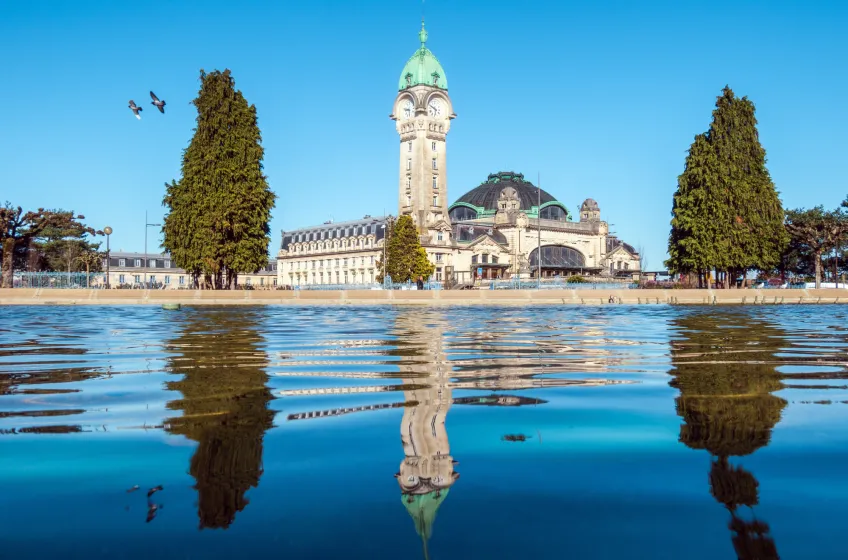
Even if you’re not arriving by train, it’s worth seeing Limoges-Bénédictins, arguably one of the most beautiful railway stations in Europe. Its iconic clock tower, copper-green dome, stained glass windows and art deco design make it a local landmark.
Located just above the River Vienne, the station area is also a gateway to riverside walks and photo opportunities.
Musée des Beaux-Arts
Housed in the former Episcopal Palace next to the cathedral, the Musée des Beaux-Arts de Limoges is a treasure trove of fine art, medieval enamels, and archaeological artefacts. The collection spans from ancient Egypt to modern French painting, with a particular emphasis on Limoges’ own enamel art tradition.
The museum’s location and setting add to its appeal, with sweeping views of the city and river from its upper floors.
Limoges Market and Halles Centrales
For a taste of local life, head to the Halles Centrales, the city’s main covered market. This handsome 19th-century iron and glass building is filled with stalls selling local produce—cheese, charcuterie, seasonal vegetables, baked goods and more.
The surrounding streets also host outdoor market stalls on selected days, and nearby cafés and bistros make this area ideal for a morning coffee or lunch.
Parc Victor-Thuillat and Parc Bellevue
Limoges is a green city, and its parks offer welcome tranquillity. Parc Victor-Thuillat is a classic landscaped park with fountains, flower beds, and shaded benches. Parc Bellevue, on the outskirts of the city, includes a small amusement park and zoo, making it great for families.
Enamel Workshops and Galleries
Limoges isn’t just about porcelain—it's also a historic centre for email (enamel) artwork, dating back to the Middle Ages. Several workshops and galleries in the city still specialise in this rare craft. Atelier du Pont Saint-Étienne is one such place where you can see enamel artists at work and even buy unique jewellery or art pieces.
Practical Advice for Visitors
Getting There
Limoges is easily accessible by train and plane. The city is served by Limoges-Bellegarde Airport, with regular flights from the UK (including London, Bristol and Manchester) and domestic connections. The Gare de Limoges-Bénédictins railway station has direct services to Paris (around 3½ hours), Bordeaux and Toulouse.
If you’re arriving by car, Limoges is well connected by the A20 motorway, running north to south through central France.
Parking
Limoges offers a good range of parking options, including underground car parks and street parking throughout the city centre. Most paid car parks are affordable and offer free periods in the evening and on Sundays. Look for Parc des Halles or Parking Jourdan for central access.
Dining
Limoges has a thriving food scene focused on local and seasonal ingredients. Specialities include Limousin beef, clafoutis (a cherry dessert), apple tarts, and veal in white wine. Look for restaurants serving regional cuisine such as:
-
Le Cheverny – elegant fine dining with a local twist
-
Le Bistrot Gourmand – a popular bistro with great value set menus
-
La Table du Couvent – seasonal dishes in a beautiful old convent setting
For casual eating, the area around Place de la Motte has plenty of cafés and brasseries, perfect for lunch or a relaxed dinner.
Shopping
Porcelain is the obvious choice when it comes to shopping in Limoges. Head to the Bernardaud and Haviland factory outlets for luxury tableware, or explore smaller boutiques in the old town for handmade pieces.
For other gifts and souvenirs, look for enamel jewellery, artisan soaps, local wine and cheese, or items made from Limoges leather, another traditional craft.
Markets operate throughout the week, but the biggest and best is the Saturday market in the city centre, full of local produce and a lively atmosphere.
When to Visit
The best time to visit Limoges is from late spring to early autumn (May to September), when the weather is warm and most events are in full swing. July and August bring festivals and outdoor dining, while September and October offer beautiful light and fewer tourists.
Winter is quieter but not without charm—particularly around Christmas, when markets and lights add a festive feel. Some attractions may have shorter opening hours outside the summer months.
Local Events
Limoges hosts several unique and enjoyable events throughout the year:
-
Foire des Saints Innocents (April): A huge fair with rides, stalls, and traditional foods
-
Festival 1001 Notes (July): A classical and world music festival across Limoges and Haute-Vienne
-
Festival Urbaka (June): A celebration of street theatre and live performances
-
Christmas Market (December): With chalets, local crafts, and festive food on Place de la République
Exploring Beyond Limoges
Limoges makes a perfect base for exploring Haute-Vienne and beyond. Nearby highlights include:
-
Oradour-sur-Glane (25 minutes): The powerful memorial village preserved since WWII
-
Saint-Léonard-de-Noblat (30 minutes): A medieval town with a UNESCO-listed church and beautiful river setting
-
Monts de Blond (45 minutes): Ideal for hiking and nature escapes
-
Lac de Saint-Pardoux (30 minutes): Great for swimming, watersports, and family picnics
The Parc Naturel Régional Périgord-Limousin is also within easy reach for walks, pretty villages, and artisan visits.
Limoges may not be France’s most famous city, but that’s part of its charm. It combines the artistic legacy of centuries with a vibrant modern culture, and it does so without the crowds of larger tourist hotspots. Whether you come for the porcelain, the medieval streets, the gardens, or simply the pleasure of discovering somewhere genuinely authentic, Limoges offers a warm welcome and a truly memorable experience.
Shortlist
- Your Shortlist is empty