
Discover Haute-Vienne | A Visitor's Introduction to Haute-Vienne
Recommended places to visit, places to stay and things to do in Haute-Vienne
Haute-Vienne is a scenic department in the Nouvelle-Aquitaine region of west-central France, defined by its rich cultural heritage, unspoilt countryside, and the world-renowned porcelain capital of Limoges. Named after the Vienne River that meanders through its heart, Haute-Vienne offers a compelling mix of medieval towns, pastoral landscapes, tranquil lakes, and vibrant local traditions. Whether you're interested in history, outdoor activities, artisan shopping, or simply enjoying good food in a relaxed setting, Haute-Vienne is a destination that has something for everyone.
Recommended Haute-Vienne accommodation: Hotels
Why is Haute-Vienne Worth a Visit?
Haute-Vienne is worth visiting for its rare combination of cultural depth, peaceful countryside, and fascinating history. At its heart is Limoges, a city famed across the world for its porcelain and enamelling. Beyond Limoges, the department is scattered with medieval villages, Romanesque churches, and preserved landscapes that offer a window into a slower, more traditional way of life.
The region played a poignant role in the Second World War, particularly in the tragic story of Oradour-sur-Glane, now maintained as a moving memorial. Its rolling green hills, forested plateaus, and sparkling rivers are ideal for walking, cycling, and fishing, while the lakes of the Monts de Blond and Saint-Pardoux offer family-friendly watersports and relaxation.
Haute-Vienne also boasts a proud artisan culture—from porcelain and leatherwork to glass-blowing and cheese-making. Whether you're exploring a porcelain workshop in Limoges, sipping coffee in a medieval market square, or kayaking through lush river valleys, Haute-Vienne offers a deeply authentic French experience without the tourist throngs.
Haute-Vienne Highlights: Things to See and Do in Haute-Vienne
Limoges and its Porcelain Heritage
The capital of Haute-Vienne, Limoges, is synonymous with fine porcelain. The city has been producing world-class ceramics since the 18th century, and you can explore this legacy at the Musée National Adrien Dubouché, which holds an extraordinary collection of porcelain from around the globe.
The Quartier de la Boucherie (Butchers’ Quarter) is a beautifully preserved medieval neighbourhood with timber-framed buildings, narrow cobbled streets, and small artisan shops. Be sure to visit the Limoges Cathedral and the Jardin de l’Évêché, which offer great views of the Vienne River and city skyline.
For shopping, visit La Manufacture Bernardaud, where you can take a guided tour of the working porcelain factory and buy exquisite pieces directly from the source.
Oradour-sur-Glane
This haunting and historically significant site is a must-visit. Oradour-sur-Glane is a village left in ruins after a Nazi massacre in June 1944. Rather than rebuild, the village was preserved in its destroyed state as a memorial and warning for future generations.
Walking through the silent streets, with rusting cars and buildings left untouched since the war, is a powerful experience. The Centre de la Mémoire offers context, personal stories, and exhibits that explain the events of that day and the lives lost.
Lake Saint-Pardoux
Lac de Saint-Pardoux is a large freshwater lake in the northern part of Haute-Vienne, ideal for families and outdoor enthusiasts. It has three main activity zones—Chabannes, Santrop, and Fréaudour—each offering beaches, picnic areas, play parks, and a range of watersports like paddleboarding, sailing, and canoeing.
There are also walking and cycling trails around the lake, including parts of the Boucle de Saint-Pardoux, and tree-top adventure courses for all ages.
Saint-Léonard-de-Noblat
A characterful medieval town perched above the Vienne River, Saint-Léonard-de-Noblat is known for its beautiful Romanesque Collegiate Church, a UNESCO World Heritage Site on the Way of St James pilgrimage route.
The town also has links to Nobel Prize-winning physicist Louis-Joseph Gay-Lussac, and to Raymond Poulidor, the legendary Tour de France cyclist. There’s a museum in his honour and cycling is a big part of the area’s culture.
Monts de Blond
The Monts de Blond in the north of Haute-Vienne are a series of forested hills and granite outcrops offering some of the most beautiful walking and riding trails in the region. You’ll find waymarked routes through old beech woods, past stone crosses and mysterious dolmens (prehistoric stone structures), with occasional panoramic views across the Limousin countryside.
It’s an area steeped in legend, particularly around Montrol-Sénard, a “village musée” (museum village) where time seems to have stood still.
Château de Rochechouart
This hilltop castle houses the Musée Départemental d’Art Contemporain, an unexpected gem in rural France. The château itself dates back to the 13th century and overlooks the confluence of the Grêne and Vayres rivers. The museum hosts temporary and permanent collections of modern and contemporary art.
The area around Rochechouart is also famous for having been struck by a meteorite millions of years ago, creating a unique geological site known as the Rochechouart Impact Structure—of interest to amateur geologists and scientists.
Mortemart
Classified as one of the “Plus Beaux Villages de France”, Mortemart is a perfect example of Haute-Vienne’s quiet charm. Set at the foot of the Monts de Blond, the village features half-timbered houses, an old covered market hall, the ruins of a medieval castle, and a serene atmosphere that feels untouched by time.
You’ll often find small exhibitions, artisan shops, and seasonal markets taking place here in summer.
Bellac
A lively small town perched above the Vincou River, Bellac combines medieval architecture with local life. Visit the Maison du Père Castor, celebrating the famous French children’s books created here. The Festival National de Bellac, held each summer, brings theatre and music to the streets and countryside.
There are several charming riverside walks and nearby swimming spots.
Le Dorat
This small town is rich in history, centred around the beautiful Collegiate Church of Saint-Pierre, one of the finest Romanesque buildings in the region. Le Dorat is known for its horse fairs and equestrian events, as well as its position on the pilgrimage route to Santiago de Compostela.
The old centre has charming lanes, cafés, and a relaxed pace ideal for a day trip.
Practical Advice for Visitors
Getting There
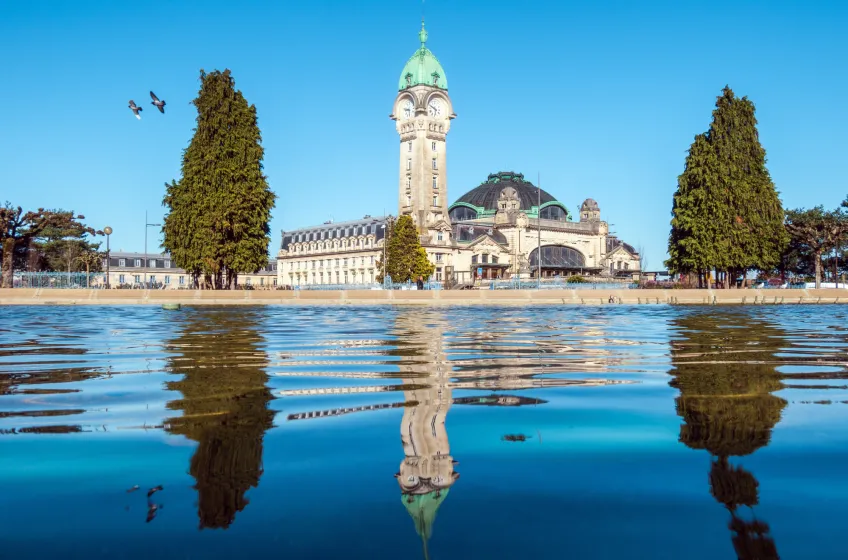
Haute-Vienne is well connected, particularly via Limoges-Bellegarde Airport, which offers regular flights from the UK (notably from London, Bristol, and Manchester) and other French cities. Limoges also has a main train station, Gare de Limoges-Bénédictins, with direct TGV and Intercités connections to Paris (around 3½ hours).
For exploring beyond Limoges, a car is highly recommended. Many of the best villages and countryside locations are only accessible by car, and the quiet country roads make for enjoyable drives.
Parking
Parking is easy and usually free in smaller towns and villages. In Limoges, there are numerous car parks (both underground and open-air), many offering free parking for the first hour or during evenings and weekends. During markets and festivals, arrive early to secure a good spot.
Dining
Haute-Vienne is proud of its regional cuisine. Look out for Limousin beef, clafoutis (a baked dessert with cherries), petits salés aux lentilles (salted pork with lentils), and local cheeses such as chevrotin. The marché central in Limoges is a great place to sample regional specialities or grab picnic ingredients.
Some great dining spots include Le Cheverny (modern French) and Le Bistrot Gourmand in Limoges, as well as charming countryside auberges like Auberge de la Mandragore near Saint-Junien.
Many restaurants offer a fixed-price menu du jour at lunchtime, which is often excellent value.
Shopping
Limoges is the obvious destination for porcelain shopping, with several factory outlets and boutique shops offering hand-painted and luxury pieces from brands like Bernardaud, Haviland, and Royal Limoges.
In smaller towns, you’ll find local markets selling honey, goat’s cheese, charcuterie, and seasonal produce. Artisan workshops across the department offer handmade glassware, leather goods, and soaps.
When to Visit
The best time to visit Haute-Vienne is from May to October, when the weather is warm and the countryside is at its greenest. July and August are busiest, especially around the lakes and Limoges, but still much quieter than coastal or alpine destinations.
Autumn (late September and October) brings stunning foliage and mushroom foraging, while spring (April–May) sees wildflowers bloom in the meadows and forest trails.
Local Events
Haute-Vienne hosts a number of enjoyable festivals and cultural events:
-
Festival 1001 Notes (July): A classical and world music festival held in Limoges and around the region.
-
Festival National de Bellac (July): Theatre, music, and art performances in a charming rural setting.
-
Fête de la Saint-Loup in Le Dorat (August): Traditional fair with horse events and market stalls.
-
Salon du Livre de Saint-Léonard-de-Noblat (autumn): A popular literary festival in a historical setting.
-
Christmas Markets in Limoges (December): Festive lights, local crafts, and warming seasonal treats.
Exploring Beyond Haute-Vienne
Haute-Vienne is centrally located and makes a great base for exploring more of central France. To the north lies Creuse, with its valleys, lakes and tapestry heritage in Aubusson. West of Haute-Vienne is the Charente, known for Cognac production and Romanesque churches. To the south, Corrèze offers dramatic villages like Collonges-la-Rouge and the wild landscapes of the Millevaches Plateau.
The Parc Naturel Régional Périgord-Limousin, which stretches across the southern part of Haute-Vienne, is perfect for hiking, wildlife spotting and visiting picturesque villages like Saint-Yrieix-la-Perche and Châlus.
Haute-Vienne offers a rare kind of French experience—authentic, unhurried, and full of quiet beauty. From the sparkling porcelain of Limoges to the reflective silence of Oradour-sur-Glane, from gentle lake shores to vibrant village festivals, this region is a haven for travellers who value history, nature, and a slower pace of life. If you’re looking for a corner of France that’s rich in character yet free from crowds, Haute-Vienne may be just the place you’re after.
Shortlist
- Your Shortlist is empty