
Discover Jura | A Visitor's Introduction to Jura
Recommended places to visit, places to stay and things to do in Jura
Jura is a stunningly diverse and unspoilt department in Central France, part of the Franche-Comté region, nestled between Burgundy and the Swiss border. Known for its dramatic limestone cliffs, cascading waterfalls, pristine lakes, and world-class wines, Jura offers a blend of natural beauty and rural charm that’s still remarkably under the radar. Ideal for hikers, food and wine lovers, and families seeking nature and authenticity, Jura is one of France’s best-kept secrets.
Recommended Jura Accommodation: Hotels Bed & Breakfasts
Why is Jura Worth a Visit?
Jura is worth visiting for its unique blend of Alpine scenery, rich culinary heritage, and tranquil pace of life. Unlike the crowded resorts of the Alps or the vineyards of Bordeaux, Jura offers a quieter, more intimate experience. Think fairytale villages with timber-framed houses, forested valleys where rivers meander through karst formations, and ancient vineyards producing rare and characterful wines like Vin Jaune.
This is also the birthplace of Louis Pasteur and a region that’s proud of its traditions. You’ll find strong links to craftsmanship, with watchmaking and woodturning still practiced in remote hamlets, alongside a deep respect for terroir in everything from Comté cheese to absinthe.
Whether you’re coming for outdoor adventures, cheese and wine tasting, cultural heritage, or simply to switch off, Jura delivers a deep sense of connection to land and life. It’s ideal for slow travel, and a place that surprises and delights in equal measure.
Jura Highlights: Things to See and Do in Jura
Baume-les-Messieurs
Tucked into a dramatic reculée (a steephead valley typical of Jura’s karst landscape), Baume-les-Messieurs is one of France’s plus beaux villages. The setting is jaw-dropping—towering cliffs rise above a tiny village where waterfalls tumble into caves. The 10th-century abbey, once an important Benedictine monastery, is fascinating to explore. Nearby, the Cascade des Tufs waterfall and the Grottes de Baume (caves) offer beautiful walking trails through lush scenery.
Cascades du Hérisson
Arguably Jura’s most famous natural attraction, the Hérisson waterfalls comprise a chain of over 30 cascades and falls across a 3.7 km trail. The walk is moderate and incredibly scenic, especially in spring and early summer when the water flow is strongest. Highlights include the 65-metre-high Éventail and the Grand Saut waterfall. The surrounding Vallée du Hérisson is ideal for a day hike with picnic spots, forest shade, and plenty of photo opportunities.
Château-Chalon
Perched dramatically on a rocky outcrop, Château-Chalon is another plus beau village de France and the spiritual home of Vin Jaune, Jura’s legendary “yellow wine.” The village itself is a delight to stroll through, with ancient stone houses, panoramic viewpoints, and quiet wine cellars offering tastings. Visit in late summer or autumn for golden vineyard views and the harvest atmosphere.
Arbois
This vibrant small town is Jura’s gastronomic and oenological hub. It’s also the birthplace of Louis Pasteur, whose house and laboratory are now a museum. Arbois is surrounded by vineyards and dotted with excellent restaurants, wine bars, and local food markets. Don't miss the Gothic church of Saint-Just, the riverside walks, or a tasting at Domaine Tissot or Domaine Rolet—two of the region’s top wine producers.
Lake Chalain
Jura’s largest natural lake, Lac de Chalain is perfect for swimming, kayaking, or a relaxed lakeside picnic. In summer, the turquoise waters attract families and campers, and the lake’s beaches are well maintained and safe for children. There are cycling paths and hiking trails around the lake, and it’s close to the Hérisson waterfalls if you want to combine both in a day.
Salins-les-Bains and the Saltworks
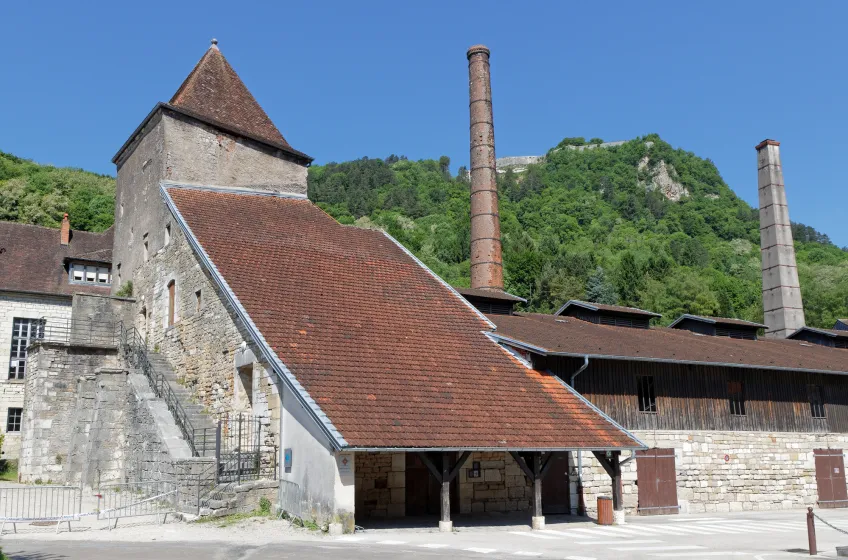
This UNESCO-listed town is famous for its Grande Saline (Great Saltworks), where salt has been extracted since the Middle Ages. You can tour the subterranean galleries, learn about the history of salt production in Jura, and see how the town’s prosperity was shaped by “white gold.” The thermal spa here offers mineral-rich waters and treatments, perfect after a long hike.
Dole
Once the capital of Franche-Comté, Dole is a charming historic town that feels like a mini Dijon. Its old town is full of Renaissance buildings, canals, and peaceful squares. The Collegiale Notre-Dame basilica towers over the rooftops, and the town’s vibrant markets are excellent for regional produce. Dole is also a great base for canal boat trips on the Canal des Tanneurs.
The Comté Cheese Route
Comté is Jura’s best-known cheese, and the region is dotted with fruitières (traditional cheese dairies) where you can see how it’s made and sample it fresh. The Fromagerie de Montmorot or the Maison du Comté in Poligny offer immersive experiences and tastings. Many farms also sell directly to visitors and welcome you to see the cheese-making process up close.
Poligny
Known as the “Capital of Comté,” Poligny is a lively town with a strong food culture. The Maison du Comté museum is interactive and family-friendly, showing the journey of milk to cheese. Poligny is also surrounded by vineyards and limestone cliffs, making it a great base for hiking or wine touring.
Jura Mountains and the Crêt de la Neige
The Jura Mountains form a natural border with Switzerland, and their highest peak, Crêt de la Neige, stands at 1,720 metres. This is an excellent area for hiking, cross-country skiing in winter, and snowshoeing. The Haut-Jura Regional Nature Park is full of pine forests, lakes, and plateaus with sweeping views, offering a peaceful alternative to the busier Alps.
Abbaye d’Acey
This hidden gem of a Cistercian abbey near Mont-sous-Vaudrey is still home to a community of monks and offers serene grounds and a sense of timeless spirituality. It’s surrounded by countryside perfect for walking and reflection.
Practical Advice for Visitors
Getting There
Jura is well-connected by train and road. The nearest major cities are Dijon and Besançon, both about 1.5–2 hours by car. Dole and Lons-le-Saunier are the main entry towns, accessible via TGV from Paris (around 3 hours). For those flying, Geneva Airport (in Switzerland) is just over an hour away by car and provides excellent access to the southern part of Jura.
Hiring a car is highly recommended, as many of Jura’s highlights are in rural or mountainous areas not served by regular public transport.
Parking
Most villages and tourist sites have free or inexpensive parking, especially outside of peak season. In popular spots like the Hérisson waterfalls or Lake Chalain during summer, arrive early to secure a space. Towns like Arbois and Dole have central parking, and signage is usually clear.
Dining
Jura cuisine is rich, comforting, and proudly local. Must-try dishes include fondue Comtoise (made with Comté), poulet au Vin Jaune with morel mushrooms, and Morteau sausage. Local restaurants and auberges are usually excellent value and focus on seasonal produce.
For a special meal, head to Maison Jeunet in Arbois (Michelin-starred) or Le Grapiot in Pupillin. Don’t miss the chance to dine at a rustic ferme-auberge in the hills for hearty home cooking and cheese-based menus.
Shopping
Markets are the best way to discover local products—Dole, Lons-le-Saunier, and Arbois all have excellent weekly markets. Look for Jura wines, Comté cheese (aged for up to 36 months), honey, absinthe, and smoked meats.
Artisan shops in villages like Salins-les-Bains or Moirans-en-Montagne also offer woodcrafts and regional ceramics. Many wineries offer cellar-door purchases, and some cheese dairies have farm shops.
When to Visit
Spring (April–June) is ideal for waterfalls and wildflowers, while summer (July–August) brings festivals, lake swimming, and warm weather. September and October are perfect for vineyard visits and walking, with vivid autumn colours and the wine harvest in full swing.
Winter offers cross-country skiing and snowshoeing in the Jura Mountains, especially around Les Rousses. While some attractions may close in winter, the landscape becomes a peaceful snowscape ideal for outdoor lovers.
Local Events
La Percée du Vin Jaune (February): A major wine festival celebrating Jura’s iconic yellow wine, held in a different town each year. It features tastings, parades, and local food.
Musique et Vins in Arbois (June): Classical music performances paired with wine tastings in historical venues.
Fête de la Transhumance (May/June): Traditional festivals marking the movement of cattle to alpine pastures, with music and local produce.
Dole Carnival (March): A colourful celebration with parades, costumes, and family fun.
Exploring Beyond Jura
If you have extra time, Jura makes an excellent base for exploring neighbouring regions. The Swiss city of Lausanne is just two hours away and offers Lake Geneva, art museums, and fine dining. Burgundy is just to the west, with its historic towns (like Beaune and Dijon) and world-famous wine route.
Closer by, the Loue Valley offers spectacular canoeing and riverside villages like Ornans, while Besançon, with its Vauban citadel and lively cultural scene, makes a great day trip.
Jura, France is an enchanting destination that invites you to slow down and reconnect with nature, culture, and good living. Whether you’re sipping Vin Jaune in a cliff-top village, hiking beneath forest canopies, or drifting on a mountain lake, Jura delivers an experience that feels both ancient and immediate. For those seeking authenticity without the crowds, Jura is a true French gem waiting to be discovered.
Shortlist
- Your Shortlist is empty