
Discover Arran | A Visitor's Introduction to The Isle of Arran
Recommended places to visit, places to stay and things to do on The Isle of Arran
The Isle of Arran, often described as “Scotland in Miniature,” offers visitors an enchanting mix of landscapes, historic sites, and cultural charm. Located off Scotland’s west coast in the Firth of Clyde, this island combines rugged mountains, sandy beaches, picturesque villages, and ancient castles within just 167 square miles. Known for its striking resemblance to the diverse scenery of the Scottish mainland, Arran is a perfect destination for outdoor adventurers, history enthusiasts, and anyone looking to soak up the island life.
Recommended Isle of Arran Accommodation: Hotels Bed & Breakfasts Pub Accommodation
Why is the Isle of Arran Worth a Visit?
The Isle of Arran is worth visiting for its unique natural diversity, which captures the essence of Scotland’s highlands and lowlands on a single island. With its breathtaking peaks, scenic coastlines, and ancient ruins, Arran is both a nature lover's paradise and a historical gem. Visitors can climb Goat Fell, explore ancient Neolithic sites, visit the grand Brodick Castle, and sample local whisky—all within a day’s exploration. With a welcoming local community, vibrant wildlife, and cosy inns, Arran offers an ideal Scottish island experience that’s easily accessible yet feels miles away from the bustle of the mainland.
Isle of Arran Highlights: Things to See and Do on the Isle of Arran
1. Goat Fell
At 874 metres, Goat Fell is Arran’s highest peak, offering panoramic views of the island, the Firth of Clyde, and beyond. The climb to the summit is popular among hikers and takes approximately 4 to 6 hours round-trip. The hike is moderately challenging, but the breathtaking views and chance to spot golden eagles, red deer, and other wildlife make it worthwhile. Clear days provide stunning vistas, so it’s best to go on a day with good weather.
2. Brodick Castle, Garden and Country Park
Brodick Castle, a grand historic castle with roots tracing back to the Vikings, is one of Arran’s main attractions. The castle is filled with antique furnishings, paintings, and artefacts, and the surrounding gardens are beautifully maintained, with blooming rhododendrons in the spring and summer. The castle grounds also feature walking trails, a walled garden, and a children’s adventure play area. It’s the perfect destination for history enthusiasts and families alike.
3. Machrie Moor Stone Circles
Machrie Moor is an ancient Neolithic site featuring six stone circles and standing stones that date back over 4,000 years. These mysterious monuments, set against the dramatic Arran landscape, create an atmosphere that feels both mystical and deeply rooted in history. The walk to the stones is about 1.5 miles from the car park, taking visitors through scenic moorland with views of nearby peaks.
4. Arran Distillery
Located in Lochranza, the Arran Distillery is known for producing award-winning single malt Scotch whisky. Visitors can take a guided tour to learn about the whisky-making process, see the copper stills, and enjoy tastings. The distillery’s setting in the northern part of the island provides a scenic backdrop, and the on-site shop is ideal for picking up a bottle as a memento. Arran recently opened a second distillery in Lagg, on the southern part of the island, offering another chance to explore whisky production.
5. The King’s Caves
The King’s Caves are located near Blackwaterfoot on the island’s west coast. These coastal caves are linked to legends about Robert the Bruce and are thought to be where he famously encountered a spider, which inspired him to continue his fight for Scottish independence. A walk through woodland and along the coast leads to the caves, where visitors can explore carvings, rock formations, and scenic views of the ocean.
6. Holy Isle
Holy Isle, a small island off Arran’s southeast coast, is known for its Buddhist retreat centre, lush landscapes, and sacred history. Ferries operate from Lamlash to Holy Isle, where visitors can explore walking trails, visit the Centre for World Peace and Health, and see wild ponies and Soay sheep. Holy Isle’s tranquil setting and unique spiritual heritage make it a serene escape.
7. Glenashdale Falls
Glenashdale Falls, located near the village of Whiting Bay, is one of Arran’s most beautiful waterfalls. A well-marked trail through woodland leads to viewing platforms with fantastic views of the falls. The walk takes about an hour round-trip and passes by the Giant’s Graves, an ancient Neolithic burial site. This hike is ideal for nature lovers and anyone looking for a scenic and peaceful experience.
8. Lochranza Castle
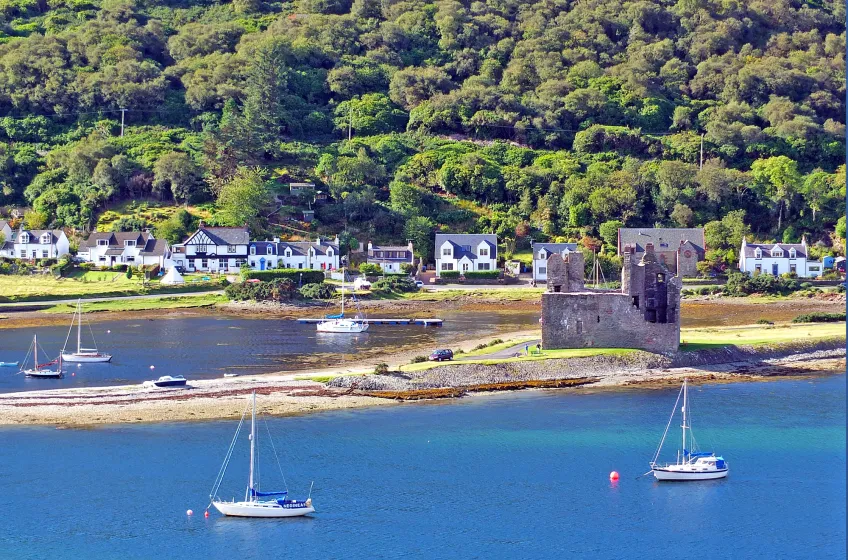
Lochranza Castle, a picturesque 13th-century ruin set on a peninsula in Lochranza, is one of Arran’s most photographed sites. Surrounded by water on three sides, the castle’s rugged appearance and scenic setting make it a favourite spot for photographers and history fans. The surrounding area is also great for wildlife spotting, with red deer often visible grazing nearby.
9. Arran Heritage Museum
The Arran Heritage Museum, located in Brodick, is a charming museum showcasing the island’s history, culture, and traditions. Visitors can explore exhibits on Arran’s geology, agriculture, and social history, as well as a recreated traditional croft house. The museum’s collection provides insight into island life across the centuries and is an excellent stop for anyone interested in local history.
10. Arran’s Beaches
Arran boasts a range of beautiful beaches, each with its unique charm. Kildonan Beach, on the island’s southern coast, is known for its fine sands and views of Ailsa Craig. Whiting Bay and Sannox Beach are also popular spots, offering scenic stretches of sand and pebbles ideal for seaside strolls and picnics. The island’s beaches are great for beachcombing, wildlife watching, and, on warmer days, even a bit of paddling.
Practical Advice for Visitors
Getting There
The Isle of Arran is easily accessible by ferry from the mainland. The main ferry route operates between Ardrossan and Brodick, with several daily crossings that take about 55 minutes. Ardrossan is about an hour’s drive from Glasgow, and there is a direct train connection from Glasgow Central Station to Ardrossan Harbour, making public transport convenient. Alternatively, there’s a smaller ferry from Claonaig on the Kintyre Peninsula to Lochranza on Arran’s north coast.
Getting Around
Arran is well-suited to car travel, as there is a circular road that connects most villages and attractions. However, there is also a reliable bus service that operates around the island, linking Brodick with other major villages and sights. Cycling is a popular way to explore Arran, especially for those interested in tackling some of the island’s scenic but hilly routes.
Dining
Arran has a selection of excellent dining options, showcasing local produce and seafood. Brodick is home to restaurants like the Brodick Bar & Brasserie and Cruize, while Lamlash offers delightful options such as The Drift Inn. Be sure to try Arran’s local specialities, such as Arran cheese, Arran oatcakes, and locally sourced seafood. Many of the island’s cafés and restaurants also use locally grown produce, which highlights the island’s farm-to-table ethos.
Shopping
Arran has a wonderful selection of local products and craft shops. Arran Aromatics, located near Brodick, produces handcrafted soaps, lotions, and candles, making it an ideal spot for unique souvenirs. The Arran Cheese Shop, next to Brodick Castle, is a must-visit for food lovers, offering a variety of locally made cheeses. The island’s shops are generally located in Brodick, Lamlash, and Lochranza, with local art and craft studios dotted around the island.
When to Visit
The best time to visit Arran is from late spring to early autumn, between May and September, when the weather is milder, and outdoor activities are more enjoyable. Summer months (June to August) offer the warmest weather and longer daylight hours, perfect for hiking and sightseeing, though these months can also be busier. Spring brings vibrant wildflowers, while autumn offers quieter trails and stunning foliage.
Local Events
Arran hosts several popular events throughout the year. The Arran Mountain Festival, held in May, attracts outdoor enthusiasts for guided walks and climbs. In June, the Isle of Arran Whisky Festival celebrates the island’s distilleries with tastings, tours, and live music. The Arran Farmers’ Show in August showcases local agriculture, crafts, and food, making it an ideal time to experience island life and traditions.
Exploring Beyond Arran
From Arran, it’s easy to continue exploring Scotland’s west coast. Nearby islands such as Holy Isle, off Arran’s southeast coast, are accessible by short ferry rides and offer unique spiritual and natural attractions. The Kintyre Peninsula, with its beautiful beaches and historic sites, is another nearby destination worth exploring. Alternatively, head back to the mainland to explore Ayrshire’s charming towns and castles.
Shortlist
- Your Shortlist is empty