
A Visitor's Introduction to Brodick Castle
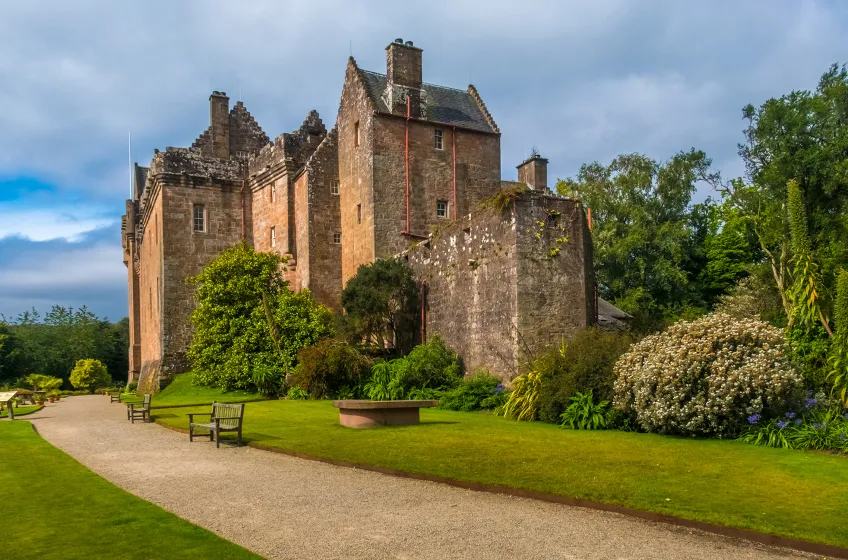
Brodick Castle is a historic estate situated on the Isle of Arran, off the west coast of Scotland in the Firth of Clyde. Managed by the National Trust for Scotland, it combines a grand baronial castle, extensive gardens, and a large woodland country park, offering a rich and varied visitor experience. The castle sits at the foot of Goatfell, Arran’s highest peak, and commands impressive views over Brodick Bay and the surrounding landscape.
With origins dating back to the Viking Age, Brodick Castle has evolved over centuries from a medieval fortress to a 19th-century country house. The current building reflects the wealth and status of the Dukes of Hamilton, who used it as a summer retreat. It contains a notable collection of period furniture, artworks, and historical artefacts. The grounds surrounding the castle are equally impressive, featuring landscaped gardens, exotic plant collections, and a vast network of walking trails through woodland and along the coastline.
Today, Brodick Castle is one of the most visited attractions on the Isle of Arran and serves as an excellent starting point for exploring the island’s cultural, natural, and historical heritage.
Recommended accommodation near Brodick Castle: Hotels Bed & Breakfasts Pub Accommodation
Pre-book Isle of Arran Attractions, Tours & Experiences
Why Is Brodick Castle Worth a Visit?
Brodick Castle is worth visiting for its unique combination of architecture, history, art, and natural beauty. Few sites in Scotland offer such a diverse experience in one location. The castle itself provides a glimpse into the lives of Scotland’s aristocracy, with well-preserved interiors that showcase the tastes, interests, and social status of its former residents. Visitors can walk through opulently furnished rooms, admire family portraits and antique weapons, and learn about the Hamilton family's influence in Scottish history.
The extensive gardens are a highlight in their own right, with themed areas such as the Walled Garden, Rhododendron Walk, and the Silver Garden. These are carefully maintained to reflect their Victorian origins while also supporting a modern emphasis on biodiversity and conservation. In spring and summer, the gardens are particularly colourful and fragrant, drawing gardening enthusiasts and casual visitors alike.
The estate’s country park adds another dimension to the experience, with family-friendly trails, a large adventure play area, and routes leading into the foothills of Goatfell. This mix of cultural and outdoor experiences makes Brodick Castle suitable for a wide range of visitors, from families with young children to history lovers and nature walkers.
The castle’s location on the Isle of Arran, often referred to as “Scotland in miniature,” further enhances its appeal. It serves as both a standalone attraction and a gateway to exploring the wider landscapes and communities of the island.
Brodick Castle Highlights
The Castle Interiors
Brodick Castle’s interiors offer a well-preserved insight into the lifestyle of Scotland’s aristocracy in the 18th and 19th centuries. Each room is furnished with period pieces, including Victorian and Edwardian furniture, ornate fireplaces, and original artworks. The Drawing Room and Dining Room in particular illustrate the grandeur of country house life, while the more functional areas such as the kitchens and servant quarters reveal the workings behind the scenes.
The Armoury and Historic Collections
The castle’s collection includes a significant number of historical weapons, hunting trophies, and artefacts from military and aristocratic life. The Armoury is one of the more striking rooms, displaying swords, muskets, and other weaponry, alongside mementoes from various campaigns involving members of the Hamilton family.
The Walled Garden
This formal garden is arranged in a classic Victorian style, with neatly clipped hedges, herbaceous borders, and ornamental planting. It is designed to be visually pleasing throughout the year, with seasonal displays of tulips, roses, dahlias, and other flowering plants. Sculptures and garden features add further interest, and the garden provides a peaceful setting for relaxation and photography.
The Rhododendron Collection
Brodick Castle is home to one of the most significant rhododendron collections in the UK, much of it planted in the late 19th and early 20th centuries. In spring, the woodland paths become a riot of colour as the rhododendrons bloom, creating a dramatic contrast with the green of the surrounding trees and the blue of Brodick Bay.
The Silver Garden
The Silver Garden is a more modern addition, designed to celebrate the National Trust for Scotland’s 50th anniversary. Its silver-themed planting scheme includes species chosen for their silvery foliage, complemented by sculptural elements and a more contemporary layout.
The Isle Be Wild Adventure Play Area
Located in the country park adjacent to the castle, this play area is one of the largest outdoor adventure spaces managed by the National Trust for Scotland. It includes wooden climbing frames, rope bridges, slides, and zip lines, all set within a natural wooded environment. It is designed for a range of age groups and provides a family-friendly complement to the historic elements of the estate.
Woodland and Riverside Walks
The castle estate includes over ten miles of marked trails through woodland, glens, and along the coast. These range from gentle strolls suitable for families to more strenuous hikes that lead into the hills. Many trails pass by features such as waterfalls, wildlife habitats, and old estate buildings. Interpretation panels provide information about the natural environment and estate history.
Goatfell Access
Goatfell, Arran’s highest peak at 874 metres, lies just behind the castle. While not part of the formal attraction, the main path to Goatfell begins on the Brodick Castle estate. For many visitors, the castle visit marks the start or end of a hike up the mountain, offering sweeping views across the island and towards the mainland on clear days.
Wildlife Watching
The estate is home to a wide range of native Scottish wildlife. Red squirrels are regularly seen in the wooded areas, and deer may be spotted in the glens. Birdlife is abundant, with species such as buzzards, herons, and woodpeckers common across the grounds. Informational signs help visitors identify different species and understand their habitats.
Visitor Centre and Exhibition Space
A visitor centre near the main entrance provides orientation information, historical context, and details of current exhibitions or events. Temporary displays often highlight specific aspects of the castle’s history or the island’s cultural life, adding depth to the visit.
Nearby Attractions
Brodick Castle is well situated for visitors looking to explore more of the Isle of Arran and its varied attractions.
Within walking distance is Brodick village, the main settlement on the island, where visitors can find shops, cafés, restaurants, and the Arran Heritage Museum, which presents a broader picture of island life through historical displays and artefacts.
A short drive to the north lies Lochranza Castle, a 13th-century ruin beautifully located on a sea loch. The surrounding area is popular with walkers and wildlife watchers and is also home to the Arran Distillery, where visitors can take tours and sample local whisky.
To the south, Lamlash offers views of Holy Isle and opportunities for boat trips to the island, which features walking trails, wildlife, and a Buddhist retreat. The nearby Glenashdale Falls and Giants' Graves in Whiting Bay are accessible via a scenic forest walk and provide both natural beauty and prehistoric interest.
Arran’s coastal circuit, a 56-mile loop road, allows visitors to explore beaches, standing stones, and viewpoints all around the island, making it easy to combine a visit to Brodick Castle with other stops over a day or longer stay.
Practical Advice
Brodick Castle is located approximately 1.5 miles north of Brodick village and is accessible via the A841, the main road around the island. Regular CalMac ferries connect Brodick with Ardrossan on the mainland, with crossing times of around 55 minutes. From the Brodick ferry terminal, visitors can walk, cycle, take a taxi, or use a local bus service to reach the castle.
The castle and gardens are open seasonally, typically from April to October. The country park and some trails remain open year-round. It is advisable to check the National Trust for Scotland website for current opening hours, entry fees, and details of any special events or closures. Entry is free for National Trust for Scotland and National Trust members.
Parking is available on-site, and a shuttle service operates between the car park and the castle during peak times for those with limited mobility. The main buildings and gardens have accessible routes, but some of the woodland trails and upper floors of the castle may be less suitable for those with mobility challenges. Accessible toilets and baby-changing facilities are available.
The estate café serves light meals, snacks, and drinks, with indoor and outdoor seating. A gift shop offers local crafts, books, and souvenirs. Visitors should be prepared for changeable weather, especially when walking in the open grounds or heading up Goatfell. Sturdy footwear and waterproof clothing are recommended.
Dogs are welcome in the country park and on outdoor trails but are not permitted inside the castle or formal gardens. There are designated dog-friendly walking routes with water bowls and waste bins provided.
Most visitors spend between two and four hours exploring Brodick Castle and its grounds, but a full day can easily be enjoyed by those combining walking, wildlife watching, and leisure time in the gardens or café.
Conclusion
Brodick Castle offers a rich and multifaceted experience that appeals to a wide range of visitors. With its blend of historical architecture, Victorian interiors, carefully maintained gardens, and extensive natural grounds, it stands as one of the most engaging heritage sites in the west of Scotland. Whether visitors come to delve into aristocratic history, explore diverse plant collections, walk woodland trails, or simply enjoy views over Brodick Bay, the estate provides a welcoming and memorable destination. As a highlight of the Isle of Arran, Brodick Castle is well worth including in any exploration of the island’s history, landscape, and culture.
Shortlist
- Your Shortlist is empty