
Discover Haute-Saône | A Visitor's Introduction to Haute-Saône
Recommended places to visit, places to stay and things to do in Haute-Saône
Haute-Saône is a rural and scenic department in the Franche-Comté region of Central France, tucked between the Vosges mountains to the north and the Jura to the south. Known for its rolling countryside, sleepy villages, dense forests, and winding rivers, Haute-Saône is a perfect destination for walkers, nature lovers, and those seeking a peaceful retreat into traditional rural France. Less touristy than its regional neighbours, it offers authentic charm, rich historical layers, and unspoilt landscapes.
Recommended Haute-Saône Accommodation: Hotels Bed & Breakfasts
Why is Haute-Saône Worth a Visit?
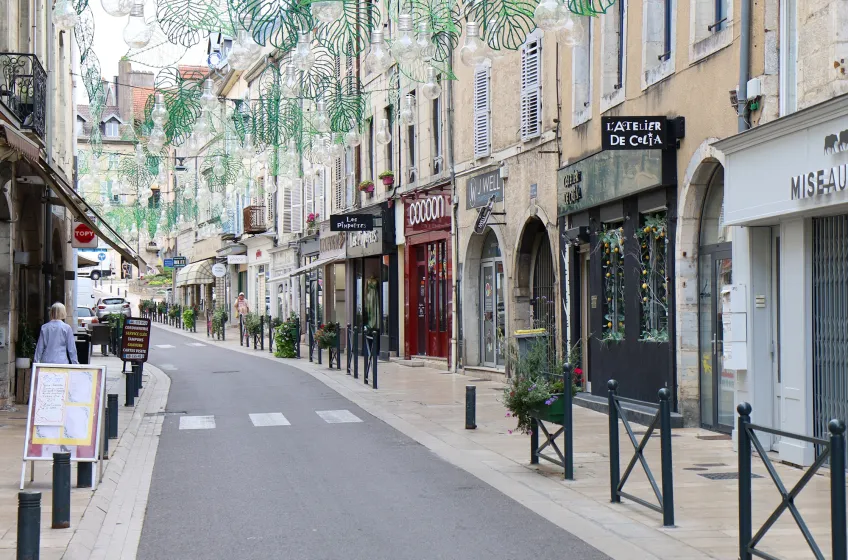
Haute-Saône is worth visiting for its understated beauty, gentle pace, and access to some of France’s most authentic countryside. It’s not flashy or crowded, and that’s exactly its appeal. The department is characterised by rivers like the Saône and the Ognon, extensive forested areas like the Forest of Chaux, and heritage towns such as Vesoul and Luxeuil-les-Bains.
The area is steeped in both natural and cultural heritage — Roman ruins, Gothic abbeys, Renaissance townhouses, and remnants of industrial activity such as ironworks and watermills are scattered throughout the region. With plenty of opportunities for hiking, cycling, fishing, and boating, and a strong sense of local tradition expressed in its festivals, food, and crafts, Haute-Saône offers a peaceful, unhurried holiday in the heart of green France.
Haute-Saône Highlights: Things to See and Do in Haute-Saône
Vesoul
The capital of Haute-Saône, Vesoul is a compact and charming town known for its historic centre, pleasant lakeside walks, and cultural events. The Old Town features narrow lanes lined with Renaissance and classical architecture. Key sights include the Church of Saint-Georges and the Préfecture gardens. Climb the Motte hill for sweeping views over the town and surrounding countryside.
Lac de Vesoul-Vaivre
Just outside Vesoul, this man-made lake is a favourite spot for locals and visitors in the summer. Surrounded by walking paths, picnic areas, and a nature reserve, the lake also offers swimming, sailing, paddle boating, and windsurfing. It’s an ideal place to cool off or relax with a book and a view.
Luxeuil-les-Bains
This beautiful spa town, rich in Roman and mediaeval heritage, is known for its natural thermal springs and exquisite pink sandstone architecture. The town’s abbey complex, including the Basilica of Saint Peter and Saint Paul and the former monastery buildings, is a highlight. You can also enjoy spa treatments at the Thermes de Luxeuil, or simply explore the elegant streets lined with carved facades and traditional shops.
Plateau des Mille Étangs (Plateau of 1,000 Ponds)
Often called the “Little Finland” of France, this extraordinary landscape was shaped by glaciers and is now home to a mosaic of ponds, wetlands, and forests. Ideal for hiking, birdwatching, or photography, the area is tranquil and mysterious, especially when cloaked in morning mist. Small trails criss-cross the plateau, linking remote chapels, wooden cabins, and scenic viewpoints.
Écomusée du Pays de la Cerise (Cherry Country Museum)
Located in Fougerolles, this museum is dedicated to cherry cultivation and the production of kirsch (cherry brandy), which has been a local speciality since the 18th century. You can learn about cherry growing, distilling, and the social traditions around this fruit. The museum is housed in a traditional farmhouse and also explores rural life in Haute-Saône.
Château d’Oricourt
This rare example of a fully preserved mediaeval fortress is a hidden gem. Located near the town of Villersexel, Château d’Oricourt features moats, towers, ramparts, and a fortified courtyard. Inside, you can explore rooms furnished with antiques and displays that explain the history of the castle and its noble families. It's a fantastic place for families or anyone with an interest in medieval life.
Villersexel and its Château
The town of Villersexel is small but elegant, and its most famous landmark is the Château de Villersexel, a 19th-century neo-Renaissance castle built after the original was destroyed in the Franco-Prussian War. The château is open for guided visits and also functions as a charming guesthouse. The town itself sits along the Ognon River and is surrounded by pleasant walking routes.
Gray and the Saône River
On the southern edge of the department, Gray is a historic riverside town with a lovely marina, Renaissance townhouses, and an impressive stone bridge. The Musée Baron Martin, housed in a classical-style château, hosts art exhibitions ranging from Old Masters to modern work. The town is a great base for river cruising, canoeing, or simply enjoying waterside cafés.
Notre-Dame du Haut at Ronchamp
Though just outside Haute-Saône, this masterpiece by Le Corbusier is close enough to deserve mention. Located on a hilltop in Ronchamp, the chapel is one of the most famous examples of modern religious architecture in Europe. Its dramatic curves, whitewashed walls, and spiritual ambience make it an unmissable stop if you’re nearby.
Pesmes
Pesmes is one of Les Plus Beaux Villages de France, and rightly so. This charming village on the banks of the Ognon River is packed with historic buildings, ancient fortifications, and stone bridges. Explore its streets, visit the old abbey, and relax by the riverside — it's one of the most picturesque spots in the entire region.
Forest of La Vaivre
For lovers of the outdoors, the Forest of La Vaivre offers peaceful trails through dense woodland. It's a great spot for walking, picnicking, or mushroom foraging in autumn. Local wildlife includes deer, wild boar, and a variety of birds. The forest is especially magical in spring when the ground is carpeted with wildflowers.
Musée de la Montagne (Mountain Museum) in Château-Lambert
This small but fascinating museum tells the story of life in the Haute-Saône mountains, covering everything from traditional crafts to transhumance (seasonal livestock movement). It’s located in a former mountain village and features reconstructed homes and workshops, giving visitors a real sense of the region’s rustic heritage.
Gorges de la Langouette and Cascade du Gehard
In the northeast of the department, near the Vosges border, you’ll find dramatic gorges and waterfalls tucked away in forested valleys. These lesser-known natural spots are perfect for a peaceful hike and a chance to cool your feet in clear streams. The Cascade du Gehard is particularly pretty after rain.
Practical Advice for Visitors
Getting There
Haute-Saône is easiest to reach by car, but it is also served by regional trains and coaches. Vesoul is connected to cities like Paris and Dijon by TER train services, though a change is often required. The nearest major airports are in Basel-Mulhouse, Lyon, and Strasbourg, all within a 2 to 3-hour drive. Once there, having a car is highly recommended to explore the rural landscapes and small villages.
Parking
Most towns and villages in Haute-Saône offer free or very cheap parking, and there is rarely difficulty finding a space. In Vesoul and Luxeuil-les-Bains, car parks are centrally located and well signposted. At popular nature sites like Lac de Vaivre or Château d’Oricourt, car parks can fill up during weekends and holidays, so it’s wise to arrive early in the day.
Dining
Haute-Saône cuisine is hearty, rustic, and full of character. Expect dishes like potée comtoise (a slow-cooked stew with pork and vegetables), tarte aux brimbelles (bilberry tart), and locally made sausages. In Fougerolles, cherry-based dishes and desserts abound, especially those flavoured with kirsch. Try Le Caveau du Grand Puits in Vesoul for traditional fare or Le Bourguignon in Luxeuil-les-Bains for an elevated local menu. Many restaurants offer seasonal game dishes in autumn and winter, including venison and wild boar.
Shopping
Look out for kirsch and cherry-based products in Fougerolles, including jams, brandy, and confectionery. Weekly markets in towns like Vesoul, Luxeuil-les-Bains, and Gray offer excellent fresh produce, cheeses (especially Comté and Morbier), charcuterie, and local crafts. Artisan potters, woodworkers, and soap-makers can also be found in the smaller villages and at local fairs throughout the year.
When to Visit
Spring and summer are the best times to visit Haute-Saône, with lush greenery, warm days, and a full calendar of events. Autumn is also particularly beautiful, with the forests blazing in red and gold — ideal for walkers and photographers. Winter is quieter, with occasional snowfalls and a few festive markets, but many attractions have reduced hours or close entirely in the off-season.
Local Events
Les Estivales de Saône is a summer cultural programme with music, theatre, and dance performances held across the department. In July, Les Nuits de la Saint-Laurent in Luxeuil-les-Bains features classical and jazz concerts in historic venues. Fougerolles hosts a Cherry Festival in early summer, complete with tastings, music, and cherry-themed everything. Many villages also host traditional fêtes patronales (village festivals), often with live music, artisan stalls, and food.
Exploring Beyond Haute-Saône
The Vosges Mountains, with their hiking trails, lakes, and ski resorts, are only an hour’s drive to the north. To the south, the Jura Mountains offer wine villages and more dramatic terrain. Nearby Franche-Comté towns such as Besançon and Dole make excellent day trips, while Burgundy’s vineyards begin just a short drive west. For a taste of Swiss culture and scenery, Geneva and Lausanne are also reachable within a couple of hours by car.
Haute-Saône may not grab the headlines, but for those who venture here, it offers a rare kind of French countryside magic — quiet lanes lined with lime trees, stone villages where time seems to have paused, and landscapes that invite long walks and deeper breaths. Whether you're looking to escape the rush, discover rural traditions, or simply reconnect with nature, Haute-Saône offers a gentle, rewarding experience far from the tourist crowds.
Shortlist
- Your Shortlist is empty