
Discover Haut-Rhin | A Visitor's Introduction to Haut-Rhin
Recommended places to visit, places to stay and things to do in Haut-Rhin
Haut‑Rhin is a captivating department in the Grand Est region of northeastern France, stretching from the peaks of the Vosges Mountains to the banks of the Rhine River. Known for its charming vineyard villages, medieval castles, and strong Germanic cultural influence, Haut‑Rhin is perfect for wine lovers, history enthusiasts, and outdoor adventurers. With its scenic mountain trails, storybook towns, and rich Alsatian heritage, this region invites visitors to experience the essence of eastern France.
Recommended Haut-Rhin Accommodation: All Hotels 4&5 Star Luxury Hotels Budget Hotels Family-Friendly Hotels Spa & Wellness Hotels Boutique Hotels Bed & Breakfasts
Why is Haut‑Rhin Worth a Visit?
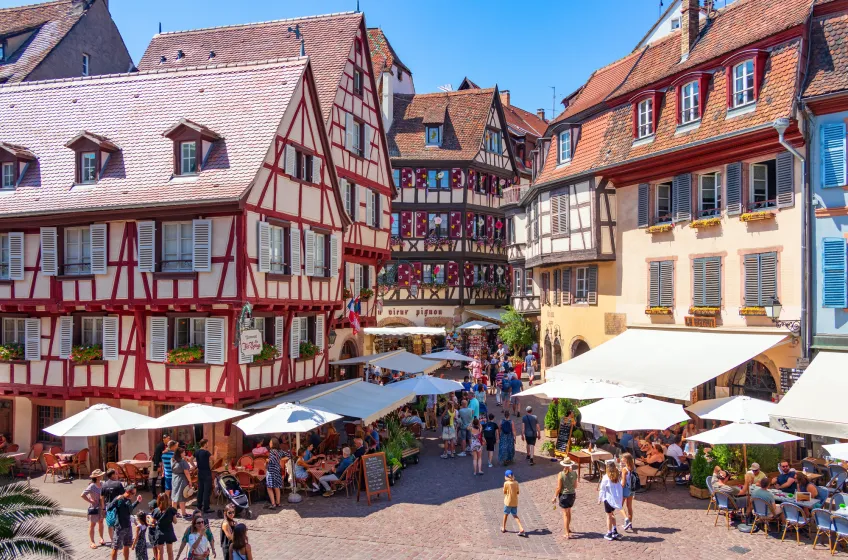
Haut‑Rhin is worth visiting for its unique blend of fairy‑tale villages, alpine landscapes, and world‑class wine culture. It forms the southern part of Alsace, where German and French traditions merge in architecture, cuisine, and festivities. From the colourful streets of Colmar and Riquewihr to the winding trails of the Vosges and the panoramic views at the Rhine border, Haut‑Rhin offers a broad range of experiences. Ideal for those seeking romantic scenery, cultural richness, and gastronomic delights, Haut‑Rhin delivers an unforgettable journey off the beaten track.
Haut-Rhin Highlights: Things to See and Do in Haut‑Rhin
Colmar and the Unterlinden Museum
Often called "Little Venice", Colmar charms with its canals, pastel half‑timbered houses, and flower‑adorned bridges. Its Unterlinden Museum is home to the famous Isenheim Altarpiece and many treasures of medieval and Renaissance art, making it a top destination for art lovers.
Route des Vins d’Alsace
Wind through world-renowned wine villages such as Kaysersberg, Riquewihr, and Eguisheim. Family-run domaines offer tastings of Riesling, Gewurztraminer, and Pinot Gris, while the vine-covered hills reveal scenic cycling and walking routes.
Château du Haut‑Koenigsbourg
Perched above the Alsace Plain, this grand 12th‑century castle has been meticulously restored. Walk its ramparts, explore its period rooms, and take in sweeping views over vineyards and the Black Forest beyond the Rhine.
Munster Valley and Lac Blanc
The Munster Valley offers pastoral charm and a taste of its famous washed‑rind cheese. Nearby Lac Blanc sits high in the Vosges and offers swimming, boating, and scenic alpine hiking trails with panoramic views.
The Ballons des Vosges Regional Nature Park
Covering large parts of Haut‑Rhin, this park features forested hills, mountain pastures, and wildlife. Activities include hiking, mountain‑biking, paragliding, and in winter, skiing and snow‑shoeing.
Riquewihr
A famously photogenic town, Riquewihr has perfectly preserved 16th‑century half‑timbered houses, cobbled lane charm, boutique wine cellars, and festive events—especially during December’s classical concerts and sparkling Advent.
Col de la Schlucht
A scenic mountain pass popular with drivers, hikers, and winter sports enthusiasts. Panoramic viewpoints, alpine meadows, and nearby waterfalls make it a picturesque stop between Vosges towns.
Marché de Noël Christmas Markets
Towns like Colmar, Kaysersberg, and Riquewihr transform into festive wonderlands from late November to Christmas Eve. Wooden chalets offer handcrafted gifts, mulled wine, gingerbread, and regional nut treats.
Mulhouse and the Cité de l’Automobile
Home to the largest automobile museum in the world, Mulhouse delights car enthusiasts with its astonishing collection of vintage models and the historic Schlumpf brothers car collection.
Vineyards & Forest Trails
Countless forested walking paths connect villages and vineyards. Stop by local farms to sample honey, herbal teas, pastries, and Munster cheese before continuing on scenic forest routes.
Practical Advice for Visitors
Getting There
Haut‑Rhin is accessible via Strasbourg or Mulhouse airports. Trains run from Paris, Strasbourg, Luxembourg, and Basel to Colmar or Mulhouse. A car is recommended to explore the wine route and Vosges hilltops fully.
Parking
In towns like Colmar, Mulhouse, Kaysersberg, and Riquewihr, park-and-ride lots are available on the outskirts, with shuttles into town. Village centre car parks exist, but narrow cobbled streets are best navigated on foot. Mountain car parks near hiking trailheads fill quickly in high season.
Dining
Experience hearty Alsatian cuisine—flammenkuchen (tarte flambée), choucroute garnie (sauerkraut and meats), baeckeoffe (meat and potato casserole)—paired with crisp white wines. Grapevine cellars often serve platters of cheese, charcuterie, and bread. Taste Munster cheese in a mountain refuge after a day’s hike.
Shopping
Look for craft beers, wines, pottery, honey, herbal teas, and artisanal chocolates. Farmers’ stalls in the Vosges Valley and Christmas markets offer unique regional souvenirs like decorative gingerbread (pain d’épices).
When to Visit
May to October is ideal: lush vineyards and village gardens bloom from spring to late summer, while autumn harvests bring lively festivals. Winter highlights include skiing in ski resorts and cozy Christmas markets (late November–December).
Local Events
Summer brings wine festivals (vendanges celebrations) in villages. Early summer features Les Estivales d’Alsace concerts in castle courtyards. In late autumn, winegrowers welcome visitors to their cellars during the Festi’Vin du Grand Cru.
Exploring Beyond Haut‑Rhin
Drive south into Switzerland to visit Basel, or west along the Alsace Wine Route. The Grand Ballon (Vosges’ highest peak) and the spa town of Gérardmer are great day trips. Consider exploring the nearby French Jura wine region for more rural charm.
Haut‑Rhin weaves together romantic towns, alpine splendour, and rich traditions. Whether you're guided by the scent of vineyards, the grandeur of castles, or the glitter of illuminated streets, this region offers a magical immersion into the best of Alsatian life.
Shortlist
- Your Shortlist is empty